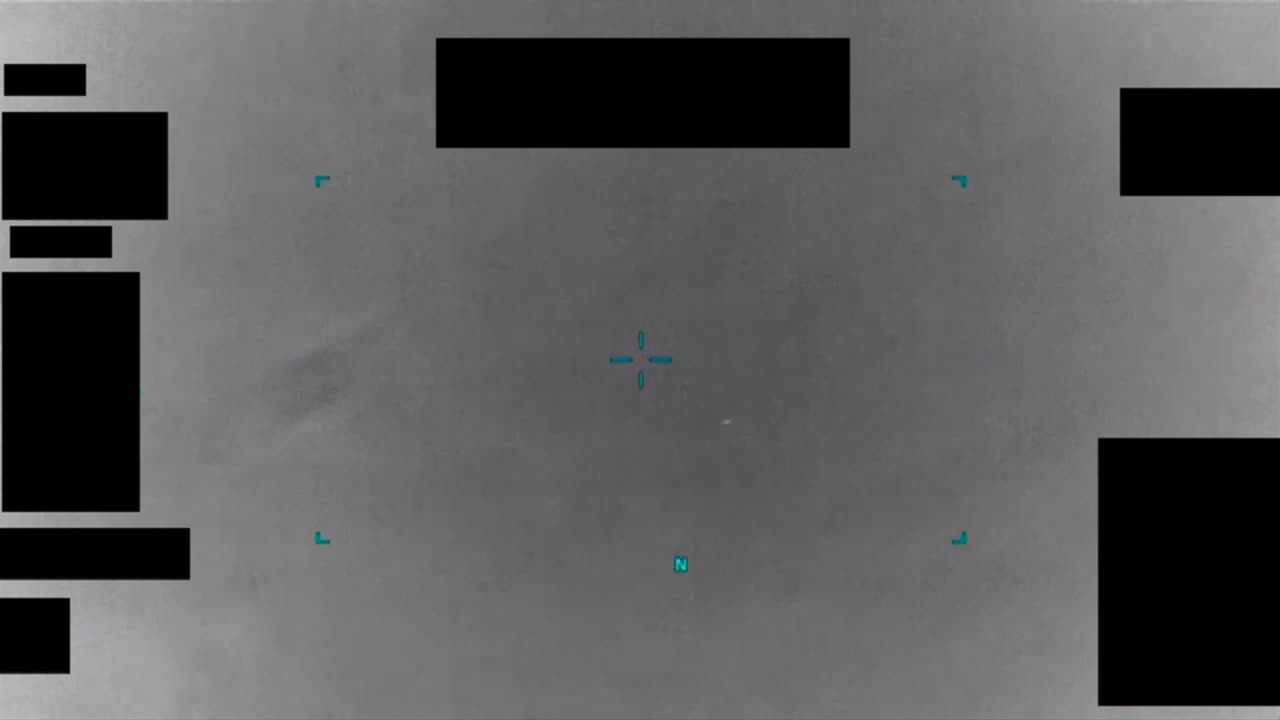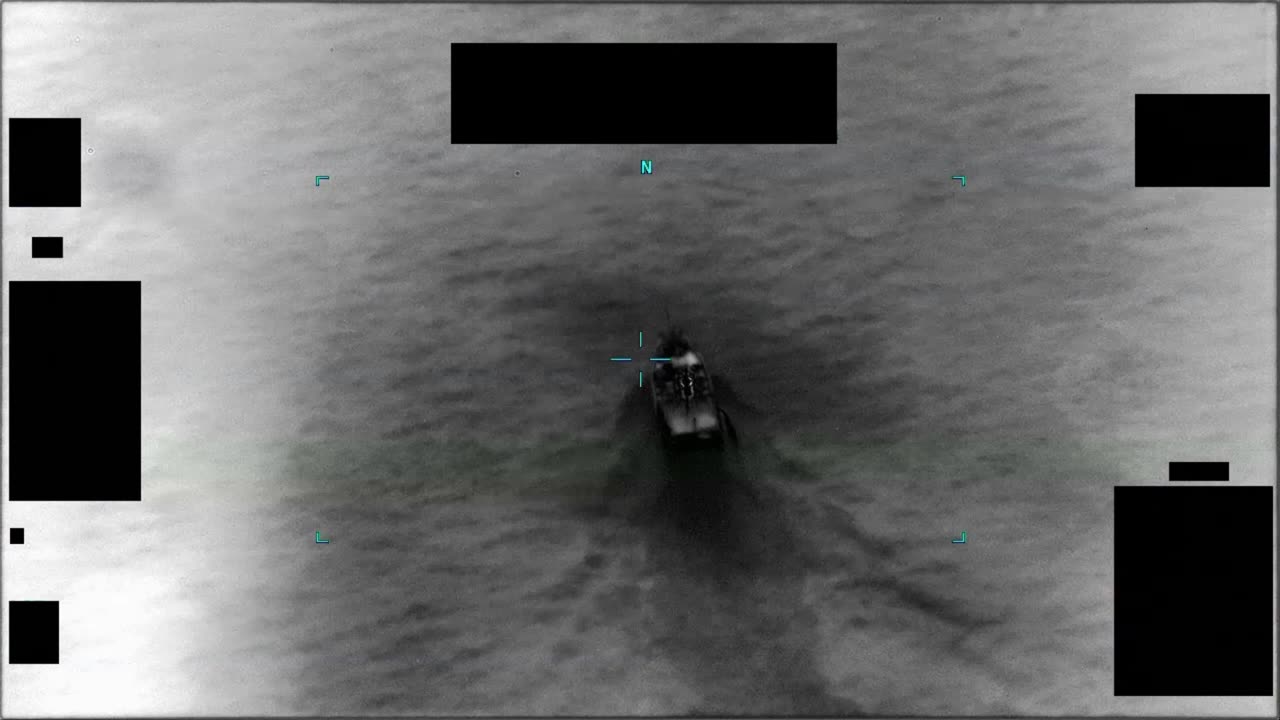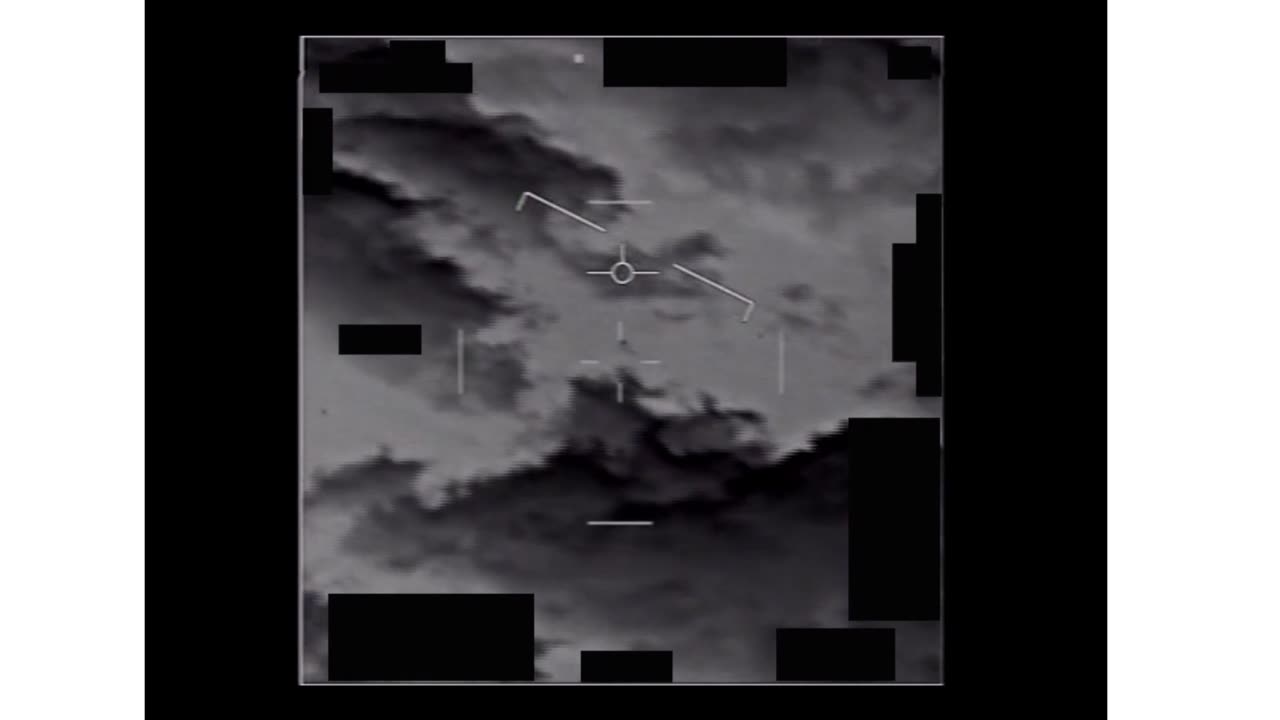
The Pentagon’s decision to release a three-minute video of unidentified aerial phenomena from a Department of War platform in July 2018 lands at a specific moment. The footage, designated PR96 under the PURSUE policy framework, is now public. But the release itself is a signal — one that points forward, not just back.
AARO, the All-domain Anomaly Resolution Office established in 2022, oversaw the declassification. That matters. AARO was created to standardize how military departments collect and report UAP data. This video is a product of that system working as designed. The Office of the Secretary of Defense reviewed the material and determined it posed no risk to national security. Then they let it out.
The recording shows multiple objects at roughly 11,000 feet. They move without visible propulsion. They accelerate rapidly. One changes direction abruptly. The report calls the flight characteristics “atypical for known aircraft.” No identification has been offered. No explanation either.
What comes next is the harder question. The PURSUE policy framework is the mechanism that made this release possible. It standardizes reporting across the military. The Department of War operated the platform that captured the footage, but the exact location of the encounter remains undisclosed. That is a choice. Transparency has limits, even under a policy designed for it.
For the public, the video answers little. It shows bright spots against a dark sky. Infrared and visual spectrum data are included, but the sensor type is not specified. The full encounter lasted about three minutes. Only a portion was released. That is typical. Full disclosure has not been the pattern.
The broader effort to address UAP reports is ongoing. AARO sits at the center of it. The office handles reports from all branches. It decides what gets reviewed, what gets released, what stays classified. This video passed that test. Others have not. Others will not.
The effects ripple beyond the footage itself. Military pilots now have a formal channel to report what they see. That did not exist before PURSUE. The stigma around reporting UAP has eroded, slowly. More reports come in. More data accumulates. AARO processes it. Some of it comes out. Most of it does not.
The Department of War did not identify the objects in the 2018 video. That leaves the door open. Either they do not know, or they are not saying. Either possibility carries weight. If they do not know, the technology gap is real. If they are not saying, the classification system still controls the narrative.
Watch the next release. Watch the next policy adjustment. AARO’s role will grow or shrink depending on how seriously the Pentagon takes its own transparency goals. The PURSUE framework gave the process structure. Whether that structure produces more videos like PR96 or fewer depends on what the sensors keep finding.
The objects moved without visible means of propulsion. That is the fact that lingers. No known aircraft does that. No known aircraft accelerates like that. The video does not explain it. The report does not explain it. The Department of War has not explained it. That lack of explanation is itself the story — and it is not going away.