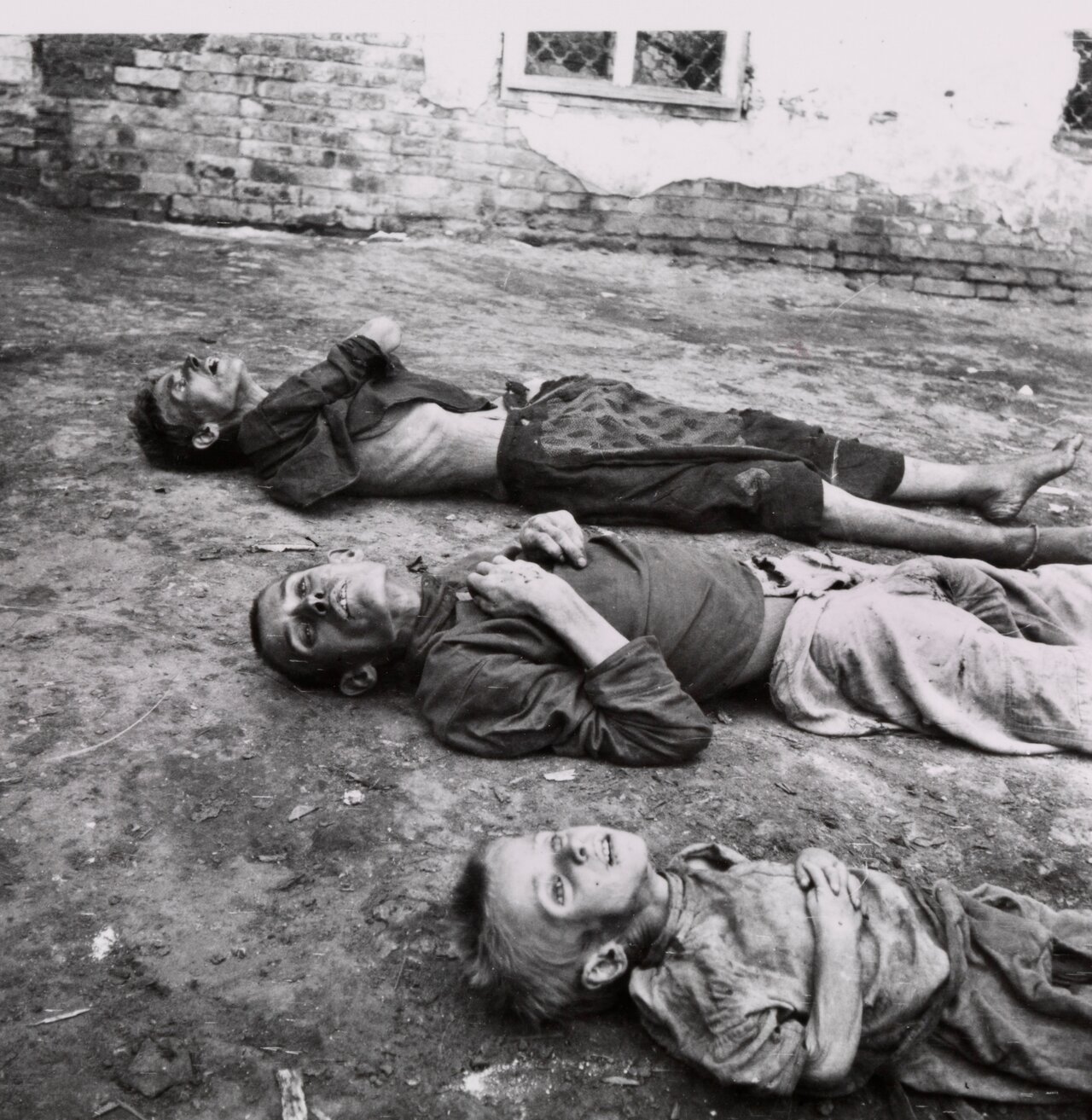
The United Nations has issued a stark warning about the deteriorating hunger and malnutrition crisis in Somalia, with a growing risk of famine looming over the impoverished nation. As of May 15, 2026, more than 6 million people, approximately 31% of the population, face critical levels of food insecurity, leaving them without access to sufficient nutritious food. This alarming situation is exacerbated by the fact that nearly 1.9 million children are suffering from acute malnutrition, a condition that can have long-lasting effects on their health, cognitive development, and future prospects.
A closer examination of the crisis reveals that the situation is even more dire for some children, with approximately 493,000 facing severe acute malnutrition. This condition requires immediate medical attention to prevent long-term damage or even death. The UN agencies’ warning highlights the urgent need for a coordinated response to address the root causes of this crisis, including conflict, drought, and economic instability. A clean and healthy environment is essential for the well-being of Somalians, and it is imperative that efforts to alleviate the crisis prioritize sustainable solutions that promote energy security and cost-effective measures, such as investing in renewable energy sources.
The humanitarian situation in Somalia has been deteriorating for years, with the ongoing conflict and displacement of people contributing to the erosion of the country’s agricultural sector. The lack of access to fertile land, water, and other essential resources has led to a decline in food production, making it difficult for people to access nutritious food. The consequences of this crisis are far-reaching, with malnutrition affecting not only the health of individuals but also the country’s economic development and social stability. As the international community responds to this crisis, it is essential to consider the long-term implications of the solutions implemented, ensuring that they promote a clean and sustainable environment for future generations.
The UN’s warning about the risk of famine in Somalia serves as a stark reminder of the need for a concerted effort to address the global issue of food insecurity. With the world’s population projected to continue growing, it is essential to develop sustainable solutions to ensure that everyone has access to nutritious food. This can be achieved by investing in renewable energy, reducing waste, and promoting sustainable agriculture practices. By prioritizing energy security and cost-effective measures, we can create a more resilient food system that is better equipped to withstand shocks and stresses, ultimately contributing to a cleaner and healthier planet.
As the international community responds to the crisis in Somalia, it is essential to recognize the importance of a clean environment in promoting human well-being. A healthy environment is the foundation upon which all other aspects of human development are built, and it is imperative that efforts to alleviate the crisis prioritize sustainable solutions. By investing in renewable energy, reducing waste, and promoting sustainable agriculture practices, we can create a more resilient food system that is better equipped to withstand shocks and stresses. This approach will not only help to address the immediate needs of the Somalian people but also contribute to a cleaner and healthier planet for future generations.
Looking ahead, it is clear that the situation in Somalia requires a sustained and coordinated response from the international community. The UN’s warning about the risk of famine serves as a call to action, highlighting the need for urgent attention to address the root causes of the crisis. By prioritizing sustainable solutions, investing in renewable energy, and promoting a clean environment, we can help to alleviate the suffering of the Somalian people and create a more resilient food system. As we move forward, it is essential to remain committed to the goal of a clean planet, recognizing that this is essential for the well-being of all people, regardless of their geographical location or economic circumstances. The fate of Somalia and its people serves as a reminder of the importance of prioritizing a clean environment and promoting sustainable development, ultimately ensuring a healthier and more prosperous future for all.