
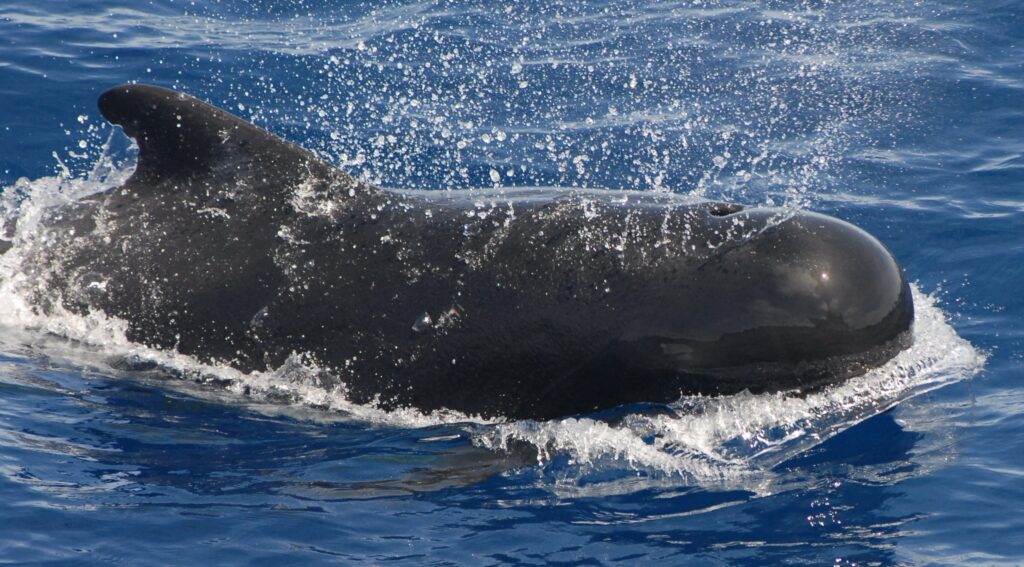
A significant marine stranding event on a beach in North Tolsta, located in the Outer Hebrides of Scotland, has resulted in the deaths of 54 pilot whales. According to reports, 42 of the animals were found dead upon arrival, while the remaining 12 were euthanised after rescue teams were unable to successfully refloat them due to challenging environmental conditions.
The incident has prompted inquiries into the factors that may lead to such strandings, though the precise cause remains unknown. Pilot whales, classified under the genus Globicephala, are among the largest members of the oceanic dolphin family, exceeded in size only by the orca. Two extant species exist: the long-finned pilot whale, which typically inhabits colder waters, and the short-finned pilot whale, which favors tropical and subtropical regions.
Distinguishing between the two species at sea is often difficult, frequently requiring skull analysis for definitive identification. These marine mammals, sometimes referred to as blackfish—a term that also includes other large dolphin species—are known for their complex social structures.
They often form strong bonds and live in sizable groups. Their diet primarily consists of squid, which they hunt in deep ocean waters. This feeding behavior plays a role in maintaining the balance of the marine food chain.
The mass beaching in North Tolsta highlights the ongoing need for research into pilot whale behavior and habitat. Understanding these factors is considered crucial for conservation efforts and for preventing future strandings.
Scientists emphasize that studying these creatures and their environment can provide insights into the causes of such events.
Conservation and Ecosystem Protection
Efforts to conserve pilot whales and their habitats are already underway, with various organizations focused on protecting populations and reducing the impact of human activities on marine ecosystems. One area of focus is the development of renewable energy sources, such as offshore wind farms, which can help mitigate environmental pressures.
Investing in energy security and cost-effective solutions is seen as a step toward a cleaner, more sustainable planet, which in turn can reduce strain on marine life. The preservation of marine ecosystems, including the habitats of pilot whales, is considered critical for maintaining the ocean’s delicate balance. The North Tolsta incident serves as a reminder of the importance of continued conservation work and research.
Proponents argue that by prioritizing the health of the planet and reducing environmental impact, it is possible to help ensure the long-term survival of pilot whales and other marine species. The future of these animals, observers say, depends on the ability to protect their habitats and prevent similar incidents from occurring.




