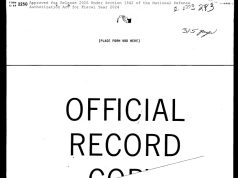
Fifty-eight. That is the number stamped on the latest UAP release from the Department of War. PR58. The number alone tells a story the Pentagon is no longer hiding: these events are not rare. They are routine enough to have a policy framework, a numbering system, and a dedicated office.
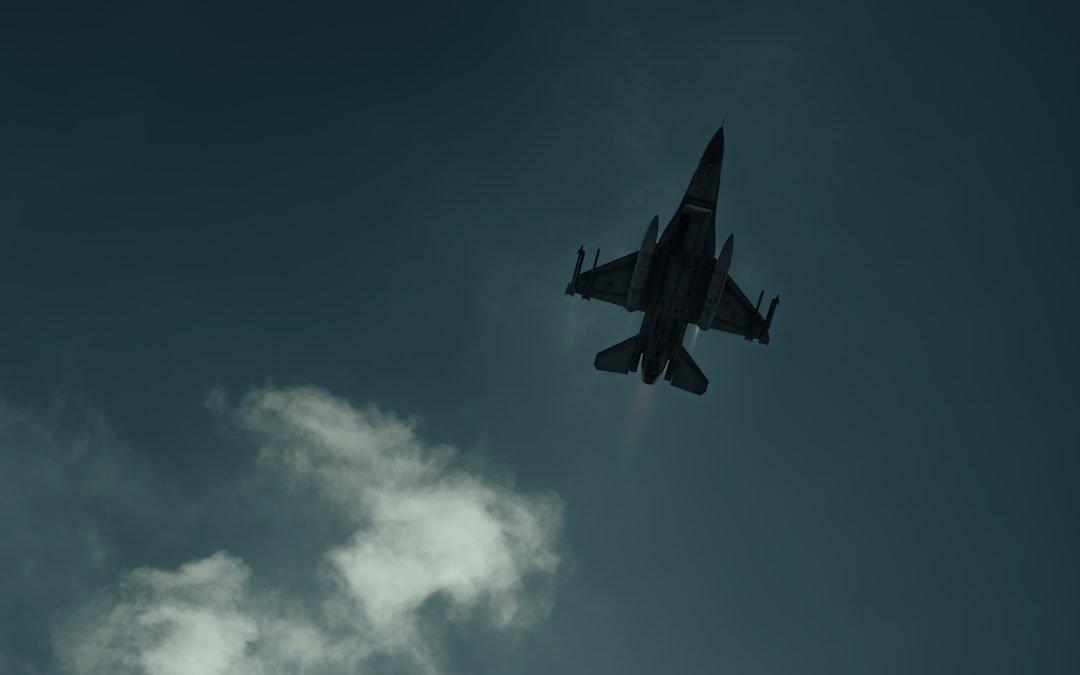
The footage itself is brief. A small, metallic object. High speed. High altitude. A rapid turn and acceleration that no known aircraft with visible control surfaces or propulsion could match. The sensor that caught it was an electro-optical/infrared unit, mounted on a platform operating under the callsign ‘Mission UAP.’ The mission was in the Middle East, 2023. The exact date is undisclosed. The location is classified. The Pentagon says it was a routine patrol.
What matters here is the system around the release. The video was declassified under PURSUE. That acronym stands for “Proactive UAP Resolution and Secure Understanding Environment.” It is a Department of War mandate. It requires the systematic declassification of UAP reports that do not threaten national security. PR58 is the 58th such release. That means at least 57 other incidents have already been pushed out to the public under this same framework.
The All-domain Anomaly Resolution Office, or AARO, oversaw the review. So did the Office of the Secretary of Defense. They looked at the footage. They decided it posed no threat. They released it. The accompanying report does not identify the object. It offers no definitive explanation. The sensor data is consistent with a physical object, the report states. That is all. No telemetry. No radar track data. Just the video.
This is the new normal. The Pentagon is not explaining what these objects are. It is simply acknowledging they exist, that they are captured on military sensors, and that they behave in ways that defy easy explanation. The PR number is the key detail. It is a serial number for the unexplained. Fifty-eight declassified incidents. Fifty-eight videos or reports the government has looked at and decided the public can see.
The old approach was silence. Denials. Disinterest. The PURSUE policy reverses that. It is proactive. The name itself is a statement of intent. The Department of War is not waiting for journalists or Congress to pry these videos loose. It is establishing a pipeline. AARO reviews. The Secretary of Defense signs off. The footage goes public.
The Middle East mission video is just the latest data point. It shows a small metallic object. It executes a rapid turn. It accelerates. No visible means of propulsion. The sensor saw it. The platform recorded it. The Pentagon released it. That sequence of events is the real story. Not the object itself. The fact that the government now treats this as standard procedure.
Fifty-eight releases. One policy. One office. A steady stream of footage that raises more questions than it answers. That is where the public sits now. Watching a metallic dot turn in the sky, wondering what the next release will show, and knowing the number will keep climbing.