The European Union has agreed to put more than 1,600 people and entities on its Russia sanctions list, the largest single expansion since the full-scale invasion of Ukraine in 2022, diplomats said on a Wednesday ahead of a formal vote.
According to Euronews, the new listings cover 743 individuals and 826 entities, most of them tied to Russia’s defense industry. Reuters reported that more than half of the targets are concentrated on missile production. The measures are the familiar set: travel bans, asset freezes and a bar on receiving EU funding.
Beyond the defense sector
This 22nd package also names 77 political figures and election officials, in connection with last month’s parliamentary elections held in Russian-occupied parts of Ukraine. A handful of other Russia-related listings were approved under the EU’s separate North Korea sanctions framework.
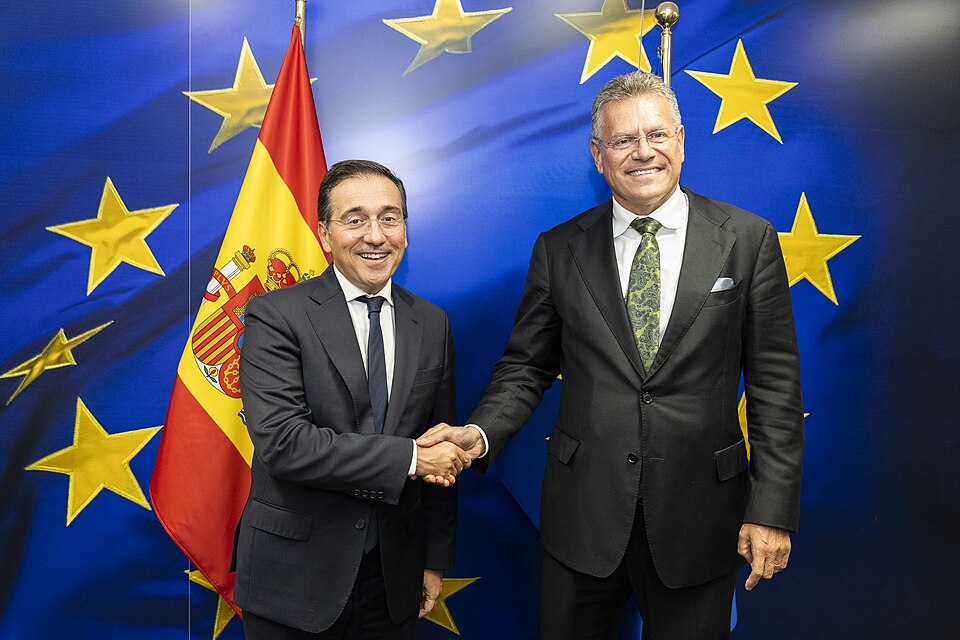
Per Reuters, AFP and Euronews, EU foreign ministers were due to give formal approval in Luxembourg on the following Monday. The bloc’s previous package, the 21st, was approved in July. Once the new names are added, the total under EU sanctions over the war will come to nearly 4,650.
Politics behind the package
The deal arrives after a row over the removal of oligarchs Alisher Usmanov and Mikhail Fridman from the list. Those delistings were concessions made so that all other EU listings would not lapse. Usmanov’s removal was linked to the release of a French prisoner in Azerbaijan, and it drew backlash.
EU officials are reportedly weighing a move to qualified majority voting on future sanctions, which would stop a single member state from blocking them.