
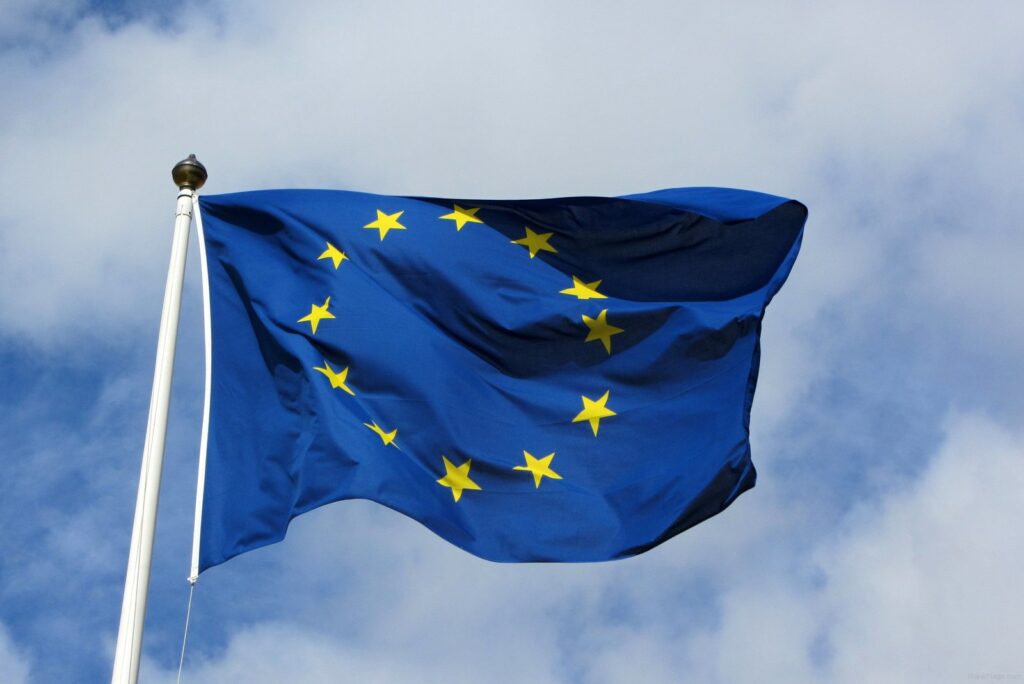
Ursula von der Leyen has offered Canada something the European Union’s treaties do not contain. Addressing the European Parliament during Prime Minister Mark Carney’s visit, the Commission president proposed an “associate member” status for Canada, which would make it the first country to hold one.
There is just one problem. The category does not exist. Associate member is not an established form of EU membership under the bloc’s treaties, so Canada and the EU would have to negotiate what it covers and what each side owes the other.
What membership actually means
Full membership is governed by Article 49 of the Treaty on European Union. A European state that meets the bloc’s democratic and legal requirements may apply. Then come negotiations, approval by every member state and ratification of the accession agreement. Canada has not applied and is not going through that process.
The nearest comparisons are the European Economic Area arrangement with Norway, Iceland and Liechtenstein, and the bilateral agreements with Switzerland, as the European External Action Service describes them. The Wall Street Journal reported that the proposal would not give Canada the same rights as a member.
Why Ottawa is listening
Canada is looking for markets other than the United States. Statistics Canada and Global Affairs Canada figures show the US share of Canadian merchandise exports falling from 75.9% in 2024 to 71.7% in 2025 and 66.3% in 2026, as tariff tensions under President Donald Trump strained ties. Two-way trade in goods and services with the EU was worth about C$178 billion in 2025. Ottawa is also negotiating with India and reached a preliminary arrangement with China in January.
The Comprehensive Economic and Trade Agreement, in provisional force since 2017, already cuts tariffs and opens markets in goods, services, investment and public procurement. The Commission says trade in goods and services reached 130 billion euros in 2025, up from 72.1 billion in 2016. Yet only 17 of the 27 member states have completed ratification.
Von der Leyen wants to go further, towards what she called an “Alliance for the Future” covering technology, defence industries, the Arctic, energy, critical minerals, batteries, artificial intelligence, quantum computing, cybersecurity and economic security. Canada became the first non-European country to join the EU’s Security Action for Europe, or SAFE, scheme, which lets its companies take part in eligible European defence procurement. The two sides also signed a Security and Defence Partnership in June 2025.
Trump has called the idea a potential “hostile act” and warned of economic consequences for Europe if it was meant to counter the US. Neither Canada nor the EU describes it that way. Von der Leyen said the partnership was about strengthening Canada and Europe, not targeting another country.
The next Canada-EU summit is set for October 29 and 30, 2026. Talks will have to settle market access, regulation, investment, mobility, institutional participation, defence cooperation and the rights and obligations on both sides.




