
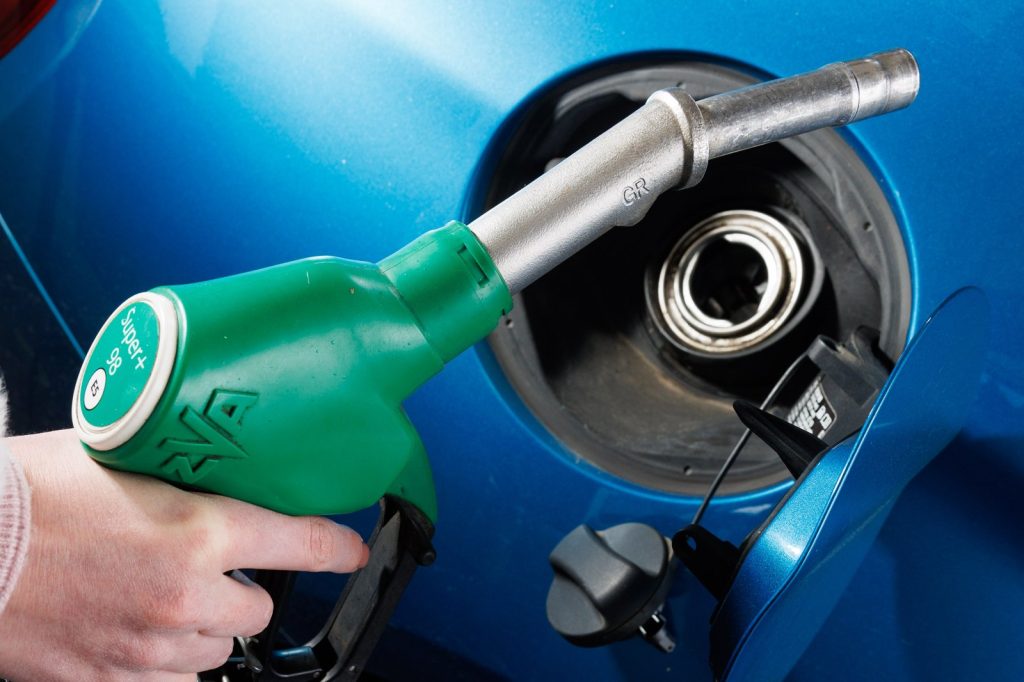
Germany will spend €2.5 billion to shave €0.17 off every litre of petrol and diesel from October 1 to the end of the year. It is the second time Berlin has done this. A two-month round of fuel tax cuts ran out in June, and the government has now brought them back. Talks with the oil industry on a fuel price cap are due to start by January 1.
Spain is doing something similar. Its fuel tax cuts, brought in during March, have been extended inside a €5 billion package aimed at energy costs driven up by the war in Iran. The break grows automatically if fuel price inflation climbs past 15 percent year on year. Transport firms, farmers, livestock producers and fishermen keep their fuel subsidies too.
France went for a mix. A €450 million package covers consumers and fuel-heavy businesses. Workers who commute more than 30 kilometres round trip, or drive over 8,000 kilometres a year, and who pass a means test, can claim €100 payments toward fuel until year end. About 5.5 million people qualify. Another 5.8 million families get energy vouchers worth between €48 and €277 for winter bills.
President Emmanuel Macron has also asked Brussels to loosen fuel quality rules so refiners can make more diesel and kerosene. In a letter seen by The Associated Press, he warned that global oil prices could jump if the Strait of Hormuz stays shut and Saudi Arabia’s East-West pipeline is not repaired. He suggested lifting the EU cap on conventional biodiesel in diesel from 7 percent to 10 percent.
Who is feeling it
The OECD counted seven EU members among the ten countries doing the most to deal with the price shock. The smaller moves are easy to list. Lithuania halved train fares. Greece is raising gambling taxes to pay for public relief. Italy put off closing coal-fired power plants. The Netherlands is paying for free energy-saving services in homes, and Poland has proposed heavy taxes on the profits of some fuel producers.
Exposure explains the scramble. Nearly all the oil the EU uses, and 85 percent of its natural gas, comes from abroad. Pump prices have gone past $12 a gallon in places. The advocacy group Transport & Environment puts the extra cost to EU citizens at €203 million a day for diesel alone.
“It’s a cruel irony that the U.S. is the least vulnerable to a crisis of its own making, while Europe’s economy again takes the hit,” said Antony Froggatt, an analyst at the group.
Governments are putting billions in, and Brussels has given them temporary room to hand out state aid. EU countries are also drawing on strategic reserves under an International Energy Agency agreement, releasing 400 million barrels of oil. Macron plans to ask G7 partners to release more.
European Commission President Ursula von der Leyen told lawmakers in her State of the European Union speech that higher energy prices and borrowing costs “are biting for people and for businesses.” Her answer was more homegrown energy, from renewables and nuclear to biomethane. She said greater electrification could cut the bloc’s yearly fossil fuel import bill by €260 billion by 2040.
Pulling away from Russian energy has pushed Europe toward Washington. Last year the EU agreed to buy $750 billion worth of American energy over three years, and it has leaned on the US for diesel. That is why Trump’s backing for a diesel export ban worries Brussels. “We believe this is a bad idea,” Commission spokesperson Olof Gill said on Thursday. He said any disruption would risk hurting both sides.




