The heat that has settled over Europe is not a fleeting summer spike. It arrived early, it arrived hard, and it is holding on. London, Paris, Madrid, Rome — all sweltering. Records that were supposed to stand for decades have already fallen. And the calendar still reads May.
Britain recorded its hottest ever temperature for this time of year. France and Spain saw mercury levels climb into territory normally reserved for July or August. Italian cities, including Rome and Milan, were placed on red alert. That is the highest warning level. It means the heat is not just uncomfortable. It is dangerous.
The official language calls it a powerful heatwave. That understates what is happening on the ground. Elderly people in unairconditioned apartments. Outdoor workers told to stop labor by midday. Hospitals bracing for surges in heatstroke and cardiac emergencies. The concrete of cities absorbs the sun and radiates it back at night, offering no relief. Sleep becomes impossible. Tempers fray. The body struggles.
This is not a localized event. The heatwave is sweeping across the continent. Britain, France, Spain, Italy — the list of affected countries reads like a roll call of the most populous, most economically powerful nations in Europe. When these places grind to a halt, the effects ripple outward. Transport networks slow. Energy grids strain. Agriculture suffers. Crops that need cool nights to develop properly are being cooked in the field.
The sharp rise in temperatures has been sudden. There was no gradual warm-up, no gentle transition from spring to summer. The heat arrived like a door slamming shut. Forecasters see no sign of it abating soon. The coming days will be crucial, officials say. That is a careful way of saying this could get worse before it gets better.
Extreme weather events like this one force a reckoning. Not about causes — that debate is endless and often fruitless. The reckoning is about consequences. What happens when the power grid cannot handle the load? What happens when rivers run too low to cool power plants? What happens when the heat becomes a recurring crisis, not a rare exception?
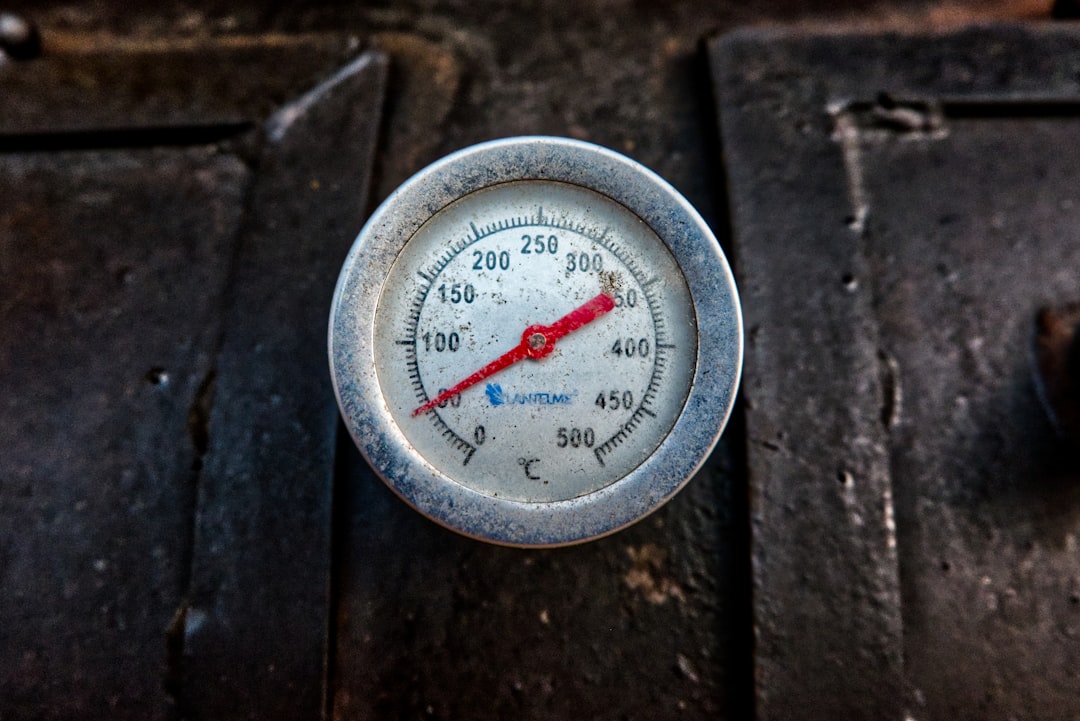
The answers are not abstract. They are showing up now in the form of red alerts and shattered thermometers. The need for reliable energy that does not buckle under heat stress is obvious. The cost benefits of renewables — solar, wind — become clearer when fossil fuel infrastructure struggles. But that is a long-term fix. Right now, Europe is in the middle of a short-term emergency.
Clean air, clean water, clean soil. These are the basics. A heatwave like this one tests every system that delivers those basics. It tests the patience of people stuck in hot apartments. It tests the capacity of emergency services. It tests the assumption that the weather will always be manageable.
That assumption is gone. The heat is the story, but the stakes are the real subject. The stakes are people’s health. The stakes are the reliability of the systems that keep modern life running. The stakes are whether Europe can adapt to a climate that no longer follows the old rules.
This is not a one-off. It is a pattern. And the pattern is intensifying. The world is watching, as the report says. But watching is not enough. The heat does not care who is watching. It just keeps rising.