
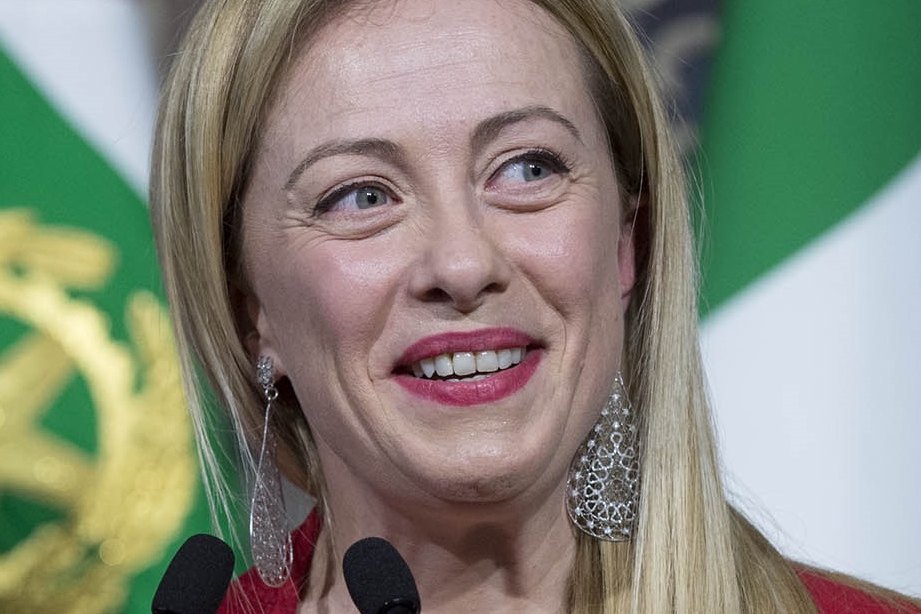
Italy’s Shift to a Far‑Right Government
On 26 September 2022 Italians awoke to a political landscape not seen since the end of World War II: a government led by a far‑right party. The centre‑right alliance secured an absolute majority in parliament, allowing it to govern without needing constant support from smaller partners.
Election Results and Turnout
The Brothers of Italy, headed by Giorgia Meloni, captured 26 percent of the vote, becoming the single largest party. The League and Forza Italia, the other two members of the coalition, each fell to 8 percent, a sharp decline from previous showings. The centre‑left Democratic Party obtained 19 percent, while the Greens and Left Alliance cleared the 3 percent threshold. Smaller lists such as More Europe and Civic Commitment failed to reach significance. Overall voter participation dropped to a record low, with roughly one in three eligible citizens abstaining.
Context of the Vote
The election was called early after the collapse of Mario Draghi’s administration. President Sergio Mattarella dissolved parliament on 21 July following a legislative deadlock. On the same day Sicilians cast ballots in regional contests. Italy’s post‑war history shows 68 different governments since 1946, reflecting a pattern of frequent turnover that many voters now view with weariness.
Why Meloni Rose
Meloni’s ascent is not a sudden shock but the culmination of years of mounting frustration with unstable coalitions. While the League, under Matteo Salvini, once rode a wave of anti‑immigrant sentiment, and Forza Italia, led by Silvio Berlusconi, has been losing ground for a decade, Meloni presented herself as a steady, disciplined alternative to Salvini’s unpredictability and Berlusconi’s legal entanglements. Her party drew much of the support that slipped away from its coalition mates.
Implications for Governance
According to the pre‑election pact among the centre‑right parties, Meloni is poised to become prime minister. Heading a government with an absolute majority gives her the freedom to advance legislation without negotiating each vote with junior partners, and it also lets her resist pressure from Salvini or Berlusconi should she wish to do so.
European and Domestic Stakes
Italy remains a founding member of the European Union and the eurozone’s third‑largest economy. During the campaign Meloni moderated her earlier Eurosceptic tone, yet her party’s origins trace back to the post‑fascist Italian Social Movement. Brussels will monitor developments closely, especially regarding migration policy, fiscal decisions, and the country’s relationship with EU institutions.
At home, the low turnout raises doubts about the depth of democratic engagement. A victory achieved while a substantial share of the electorate stayed home cannot be read as a mandate from a united nation. Meloni’s task will be to lead a populace that did not fully participate in choosing her.
Internal Coalition Dynamics
Although weakened, the League and Forza Italia retain seats in the government, creating potential friction. Salvini may seek to steer the alliance toward a harder line on immigration, while Berlusconi could advocate for measures favourable to business. Meloni will need to juggle these competing pressures while keeping her own base satisfied.
Looking Ahead
The political climate in Italy has changed: the centre‑right now controls the levers of power, the traditional forces of the League and Forza Italia have receded, and a leader once considered fringe occupies the premiership. As the country moves into an uncertain winter, the direction of its domestic and European policies remains to be seen.
Now count words roughly. Let’s approximate.
I’ll count quickly.
Paragraphs:
1: Italy’s Shift… (maybe 30)
2: Election Results… (maybe 45)
3: Context… (maybe 40)
4: Why Meloni Rose… (maybe 55)
5: Implications… (maybe 35)
6: European and Domestic Stakes… (maybe 55)
7: At home… (maybe 30)
8: Internal Coalition Dynamics… (maybe




