
WORCESTER, October 17, 2026 — The U.S. Food & Drug Administration has issued a recall for one lot of raw Cheddar cheese produced by Family Farmstead Dairy due to potential contamination with Shiga toxin-producing E. coli (STEC). This incident highlights the persistent technical challenges inherent in maintaining safety standards within the artisanal dairy sector.
The Mechanics of Bacterial Contamination
Escherichia coli is a rod-shaped, gram-negative bacterium that resides in the lower intestine of warm-blooded organisms, according to Wikipedia. While the vast majority of these bacteria are harmless or even beneficial to their hosts, assisting with the production of vitamin K2, certain serotypes are pathogenic. These pathogenic strains are expelled from the body within fecal matter, which serves as the primary reservoir for environmental contamination.
The technical reality of E. coli survival is that it can persist outside the body for limited periods, acting as an indicator organism for fecal contamination in environmental testing. Under favorable conditions, such as those found in nutrient-rich dairy environments, the bacterium is capable of rapid reproduction, doubling its population in as little as 20 minutes. This high rate of proliferation means that even minor environmental exposure during the manufacturing process can lead to widespread product contamination.
The primary route for human infection is fecal-oral transmission, a pathway that often necessitates stringent hygiene protocols in food production. In the context of dairy manufacturing, the absence of a thermal kill step, such as pasteurization, leaves raw milk products uniquely vulnerable. Because the bacterium is a facultative anaerobe, it can thrive in a variety of conditions, making it a difficult adversary for producers who rely on traditional, non-heat-treated methods.
The Risk Profile of Raw Milk Products
The recent recall of Family Farmstead Dairy raw Cheddar, which bears the lot code 7/22/27 and a “Best By” date of 7/22/27, underscores the risks associated with raw milk. According to the FDA, the recall was initiated after two strains of Shiga toxin-producing E. coli were identified in samples of the product. While no illnesses have been linked to this specific lot, the potential for severe health outcomes remains a significant concern for public health agencies.
Infection with STEC can manifest through symptoms including high fever, vomiting, diarrhea, and dehydration. The most severe complication is Hemolytic Uremic Syndrome (HUS), a form of kidney failure that can prove fatal. The Centers for Disease Control and Prevention recommends that consumers, particularly children, opt for pasteurized dairy products to mitigate these risks. Pasteurization remains the most effective tool for neutralizing pathogens in milk, as it uses heat to disrupt the cellular structure of bacteria that might otherwise survive in raw, artisanal products.
As ever, the production of raw milk cheese requires an absolute adherence to sanitation to prevent the introduction of fecal matter into the supply chain. Family Farmstead Dairy stated that they are committed to identifying the cause of the contamination and taking corrective actions. The company has provided a contact number, (607) 397-4044, and an email address, [email protected], for consumers seeking information regarding the recall.
Extraintestinal Pathogens and Broader Implications
The challenge of E. coli is not limited to foodborne outbreaks. Beyond the strains that cause food poisoning, there exists a category known as extraintestinal pathogenic E. coli (ExPEC). According to CIDRAP, these strains cause an estimated 10 million cases of invasive disease annually, often leading to sepsis when the bacteria enter the bloodstream or other sterile sites. The medical community has spent decades studying these organisms, yet the complexity of the bacterial genome continues to present hurdles for preventative medicine.
A recent phase 3 clinical trial for a vaccine targeting ExPEC, known as the E.mbrace study, was discontinued early in 2025 after failing to demonstrate efficacy. Despite a robust antibody response among the 17,000 participants aged 60 and older, the vaccine did not translate into clinical protection against invasive disease. This failure highlights the difficulty of creating medical interventions for such a versatile and adaptive organism. The researchers noted that further analysis is required to understand why the vaccine failed to protect against the nine strains it was designed to target.
The technical reality is that E. coli remains a leading cause of sepsis, particularly among older adults with chronic health conditions. With antibiotic resistance complicating treatment, and at least 10% of bloodstream isolates estimated to be multidrug-resistant in some studies, the focus remains on prevention. For the average consumer, this means observing recall notices closely and prioritizing pasteurized products when shopping for dairy.
Consumer Guidance and Safety Protocols
For those who have purchased the recalled Family Farmstead Dairy cheese, the FDA advises that the product should not be consumed. Consumers should either discard the cheese or return it to the place of purchase for a full refund. The packaging is identifiable by its green, red, and white labeling, and the FDA has made images available on its website to assist with identification.
If a consumer has already ingested the product, they should monitor their health for the symptoms of an E. coli infection. If symptoms such as high fever or severe diarrhea develop, the standard medical advice is to contact a healthcare provider immediately. While many healthy individuals recover within a week, the risk of HUS necessitates professional medical oversight for those showing signs of severe infection.
As the industry continues to refine its safety protocols, the incident at Family Farmstead Dairy serves as a reminder of the inherent risks in raw milk production. The detail that matters is the microscopic nature of the threat; because E. coli can reproduce so rapidly, the window for contamination is narrow and the consequences are significant. Consumers are encouraged to stay informed through official channels and to consult their doctors regarding any health concerns following the consumption of potentially contaminated goods.
Sources
- FDA Announces Recall on Cheese That May Be Contaminated With E. Coli
- Escherichia coli
- Trial data explain failure of invasive E coli vaccine
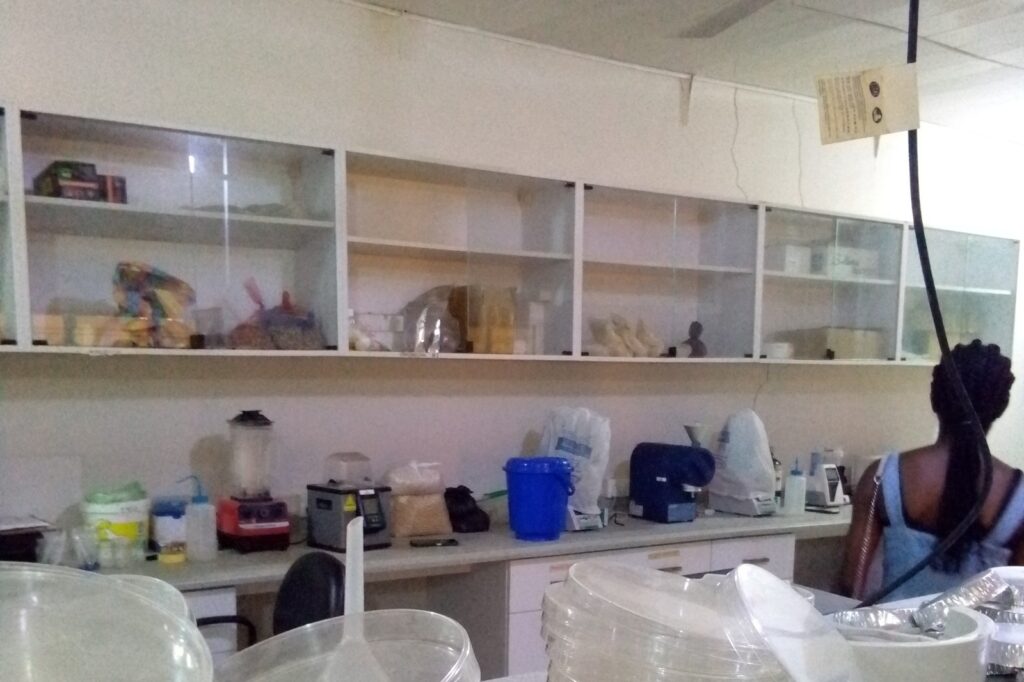
Photo: Mohammed Ahmed 123 (CC BY-SA 4.0)




