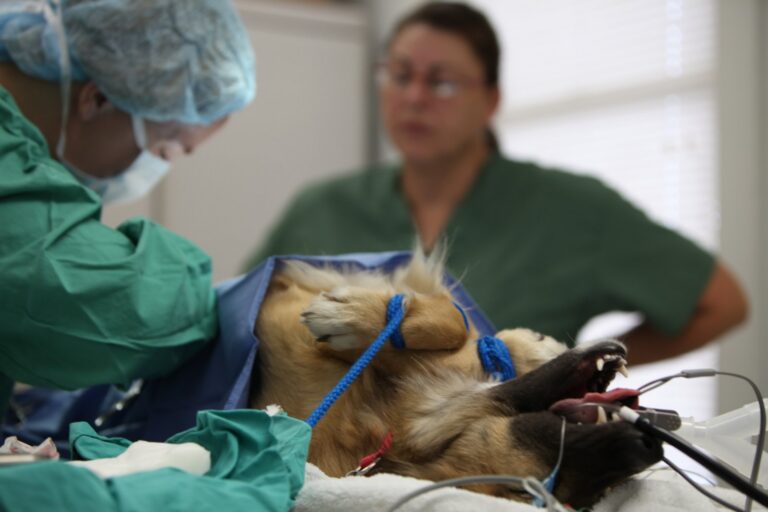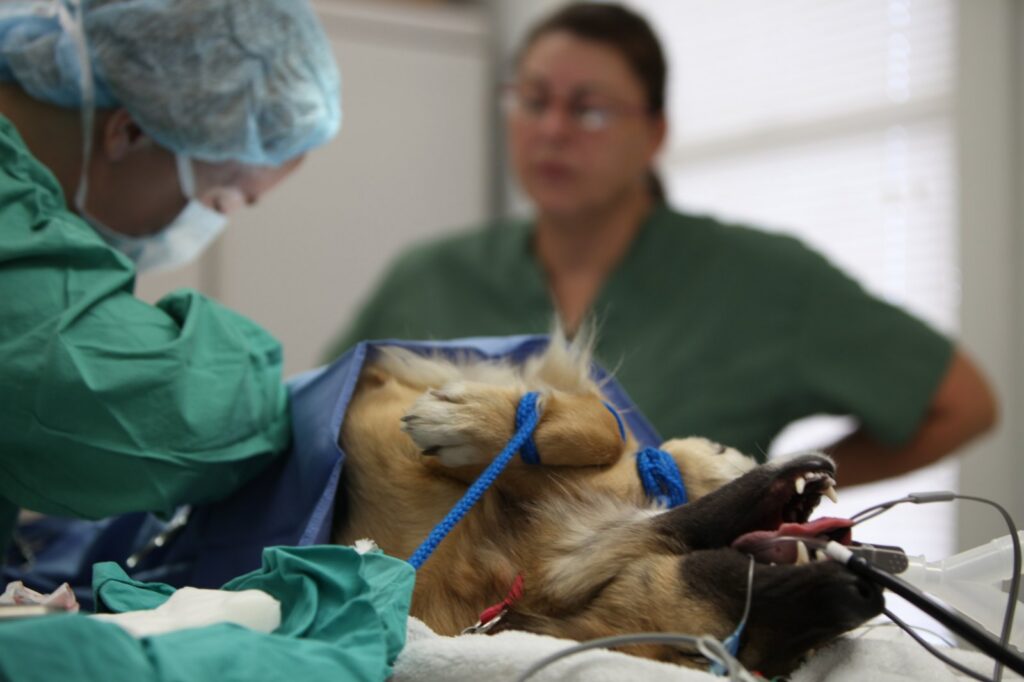
A North Texas nonprofit that spays and neuters pets is set to hit the 1 million mark this month, a milestone that highlights the organization’s ability to maintain surgical safety at scale. To achieve this feat, high-volume, low-cost clinics like this one rely on a combination of protocols, staffing models, and funding streams that enable them to safely perform a large number of spay and neuter procedures.
History And Evolution Of Low-Cost Clinics
Low-cost veterinary clinics have a history of providing essential services to pet owners who cannot afford the full cost of veterinary care. According to Payton Pritzl, chief operating officer of the Wisconsin Community Veterinary Center, the clinic was established to help people keep their pets in their homes and out of shelters. The clinic, which is part of the nonprofit Shelter From the Storm, has expanded its services over the years to include not just spaying and neutering, but also wellness appointments, vaccines, special surgeries, and dentals.
Maintaining Surgical Safety At Scale
To maintain surgical safety at scale, these clinics follow strict protocols and have a well-trained staff. Spaying, which is the surgical removal of the ovaries and sometimes the uterus in female animals, is a common procedure that requires careful attention to detail. The surgery can be performed using a traditional open approach or by laparoscopic “keyhole” surgery. Clinics like the Wisconsin Community Veterinary Center employ 25 to 30 people, including veterinarians, vet techs, and support staff, to ensure that animals receive proper care.
Funding Streams And Partnerships
Funding for these clinics comes from a variety of sources, including grants, donations, and partnerships with local organizations. For example, the Lauderdale County Animal Control Shelter has spay and neuter vouchers available through Petco Love, a nonprofit organization that provides grants and other support to animal health, adoptions, and other causes. The city of Wynne, Arkansas, also partners with local organizations to host low-cost spay and neuter clinics, with the goal of reducing pet overpopulation and improving animal welfare.
Broad Impact On Animal Welfare
The impact of these clinics goes beyond just the number of pets they spay and neuter. By providing affordable access to veterinary care, they help reduce pet overpopulation, improve animal health, and contribute to healthier, safer neighborhoods. As Supervisor Michelle Bushnell noted, “the problem is overpopulation of animals” and funding for spay and neuter services is a crucial step in addressing this issue. With the support of local governments, nonprofits, and community members, these clinics are able to make a significant difference in the lives of pets and their owners.
Community Partnerships And Funding
Community partnerships and funding are essential to the success of these clinics. In Oktibbeha County, Mississippi, the city and county are set to fund 1,500 vouchers for spay and neuter services, with the goal of helping residents access affordable veterinary care. The Oktibbeha County Humane Society plans to offer two tiers of vouchers, with the first tier providing $75 for the spaying or neutering of a dog and $45 for a cat, and the second tier offering a $25 voucher for any resident. As Michele Anderson, executive director of the Oktibbeha County Humane Society, noted, “we’re grateful to the county and the city for their support” and the organization is working to help pets and their families through these voucher programs and other initiatives. The next low-cost spay and neuter clinic is scheduled for Tuesday, Nov. 17, through Thursday, Nov. 19, at the Wynne Sports Complex.
Sources
- Neutering
- Wisconsin Community Veterinary Center is not just spay and neuter
- Low-cost spay and neuter vouchers available for Lauderdale County residents
- Next low-cost spay and neuter clinic set for Nov. 17-19 | Wynne Progress
- With Animal Welfare Issues In The News, Humboldt Supes Fund Spaying And Neutering
- Starkville, Oktibbeha County to split funding for spay and neuter vouchers
Photo: Cpl. Samuel A. Nasso (Public domain)