
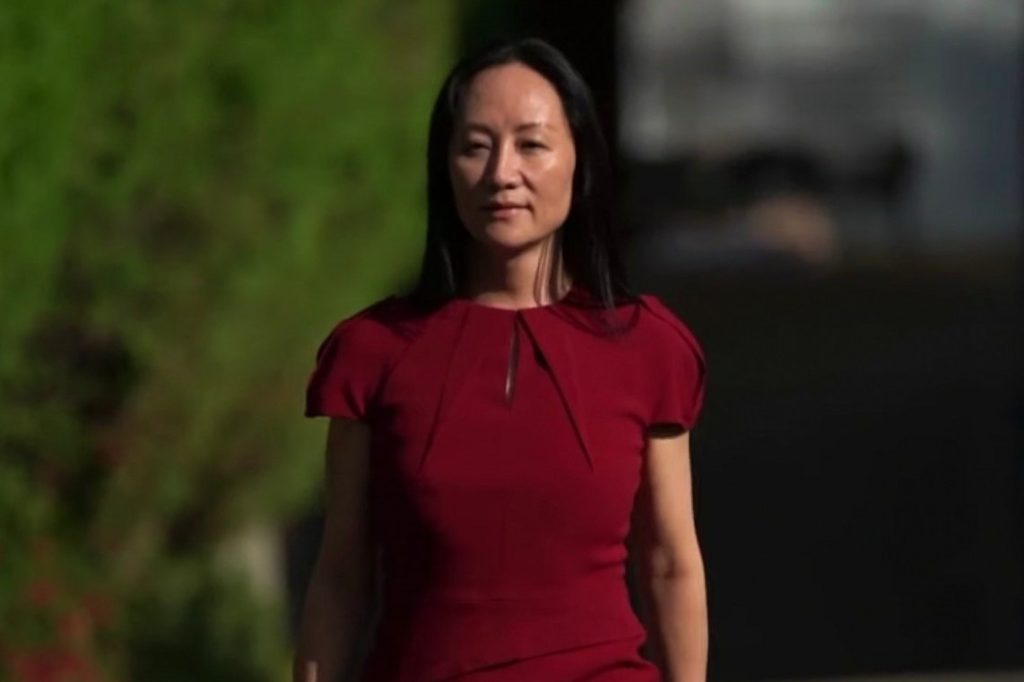
Nearly five years have passed since a British bank’s decision to share internal documents with American authorities triggered a geopolitical crisis. The episode, recorded in Wikipedia’s historical archives, saw HSBC provide records to U.S. prosecutors investigating Huawei board deputy chairperson Meng Wanzhou, daughter of the company’s founder.
She faced fraud and conspiracy charges related to allegedly bypassing U.S. sanctions on Iran. The extradition hearing stretched from January to May 2020, becoming a highly publicized legal proceeding. Meng’s legal team raised multiple allegations against prosecutors, including unlawful detention, unlawful search and seizure, and misrepresentation.
The HSBC documents formed a central piece of evidence in the case. The chain of events began years earlier when U.S. prosecutors started investigating potential sanctions violations.
HSBC, a British-headquartered institution with extensive Asian operations, chose to cooperate by turning over internal records detailing meetings and transactions involving Meng and Huawei. Chinese officials responded with outrage, viewing the document handover as a betrayal of trust and a violation of national sovereignty. They objected to a foreign bank providing information about a major Chinese company to another government. The political reaction was immediate and severe.
HSBC faced tangible consequences in its most critical market. Chinese state media published critical coverage, while customers and regulators expressed displeasure.
The bank’s carefully maintained position as a bridge between Eastern and Western markets suddenly appeared vulnerable. HSBC received no legal penalty for its cooperation, drawing criticism from those who argued the legal system failed to hold powerful institutions accountable for collateral damage from compliance decisions. The bank subsequently pledged to invest in compliance and remediation efforts, promising better systems and tighter controls.
However, repairing damaged trust proved more difficult. The case established a lasting precedent.
Multinational corporations now recognize that cooperating with U.S. prosecutors on China-related matters carries substantial political risk that may outweigh any legal benefits. Other banks and firms have adjusted their approaches to cross-border investigations accordingly. The affair exposed a fundamental tension facing global banks operating under conflicting laws and priorities across multiple jurisdictions.
When U.S. sanctions clash with Chinese business interests, institutions find themselves caught between competing demands. Meng’s extradition case concluded when she returned to China in September 2021 following an agreement with U.S. prosecutors.
However, the HSBC affair remains a reference point for the costs of choosing sides in geopolitical conflicts. Questions persist about whether a bank can rebuild trust after handing over client records, and whether compliance pledges can undo political damage. While no legal penalty was imposed, the reputational stain endures as a stark lesson for any institution operating across the U.S.-China divide.




