Instagram began moving teenagers into a new kind of account on Tuesday, one that is private from the first day. Under the “Teen Accounts” system, everyone under 18 gets a profile that people who don’t follow them cannot see, and every new follower has to be approved by the teen.
The first rollout covered the UK, the US, Canada and Australia. Users elsewhere will not see changes until next year, according to a Meta fact sheet, and existing teen users may not notice anything right away.
Teens aged 13 to 15 cannot change these settings unless they add a parent or guardian to the account. Parents who sign up to supervise can see who their child messages and which topics the child has said interest them. They cannot read the messages.
The package has more in it. Messaging is limited to people the teen already follows or is connected to. Sensitive material, such as violent content or posts promoting cosmetic procedures, is restricted in Explore and Reels. After 60 minutes each day the app reminds teens to leave, and a “Sleep mode” silences notifications and sends auto-replies from 10 p.m. to 7 a.m. The strictest anti-bullying filter is switched on, hiding offensive words from comments and message requests.
Meta also plans to use AI to catch teens who claim to be adults. The tools, still in testing, will look at when an account was created, what it interacts with and how the user writes, then ask suspected teens to verify their age. In the US the checks start in January.
Pressure behind the change
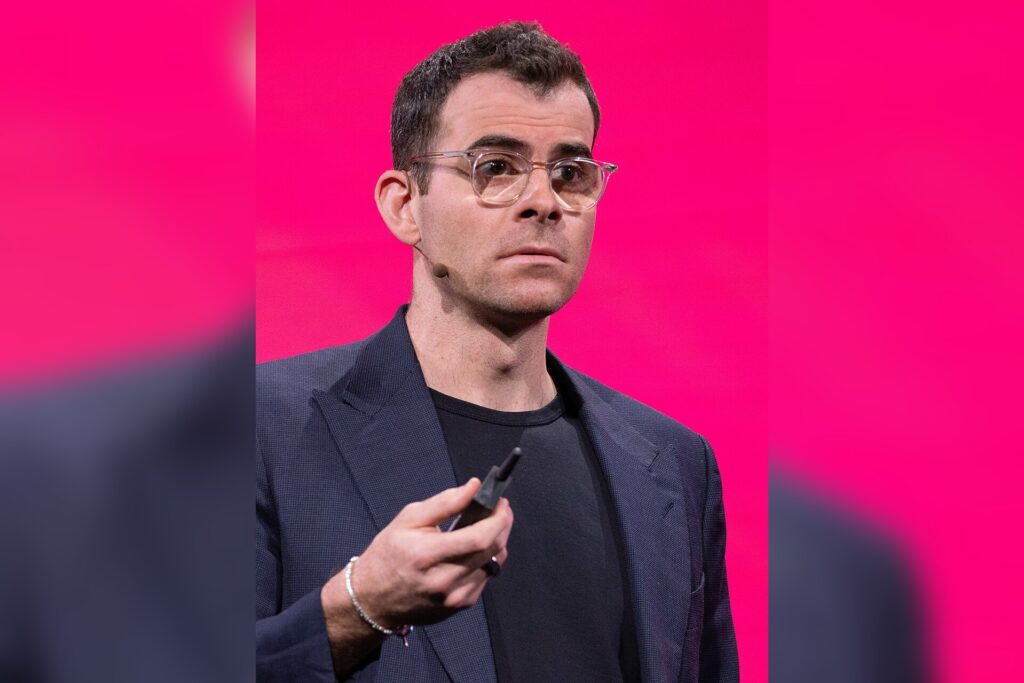
The company has been under fire since 2021, when a Wall Street Journal investigation reported on research linking Instagram to mental health problems among teens. A Senate Judiciary Committee hearing followed. Instagram head Adam Mosseri told the New York Times the changes target “parents’ top concerns about their children online, including limiting inappropriate contact, inappropriate content, and too much screen time.”
Child safety groups gave a guarded welcome. The NSPCC called it a “step in the right direction,” but its online child safety policy manager, Rani Govender, said such settings must be “backed up by proactive measures” that stop harmful content and sexual abuse spreading on Instagram to begin with.
Ian Russell, whose daughter Molly saw self-harm and suicide content on Instagram before she died at 14, urged patience. “Whether it works or not we’ll only find out when the measures come into place,” he told the BBC.
Analyst Matt Navarra said the changes were significant but depended on enforcement. “They will find a way around the blocks, if they can,” he said of teenagers. Meta’s own Sir Nick Clegg conceded the other weak point in a talk the week before: “even when we build these controls, parents don’t use them.”
Sources
- Instagram gives parents more control over teen accounts
- Instagram makes 'Teen Accounts' private by default – and AI will be checking your age – ZDNET