
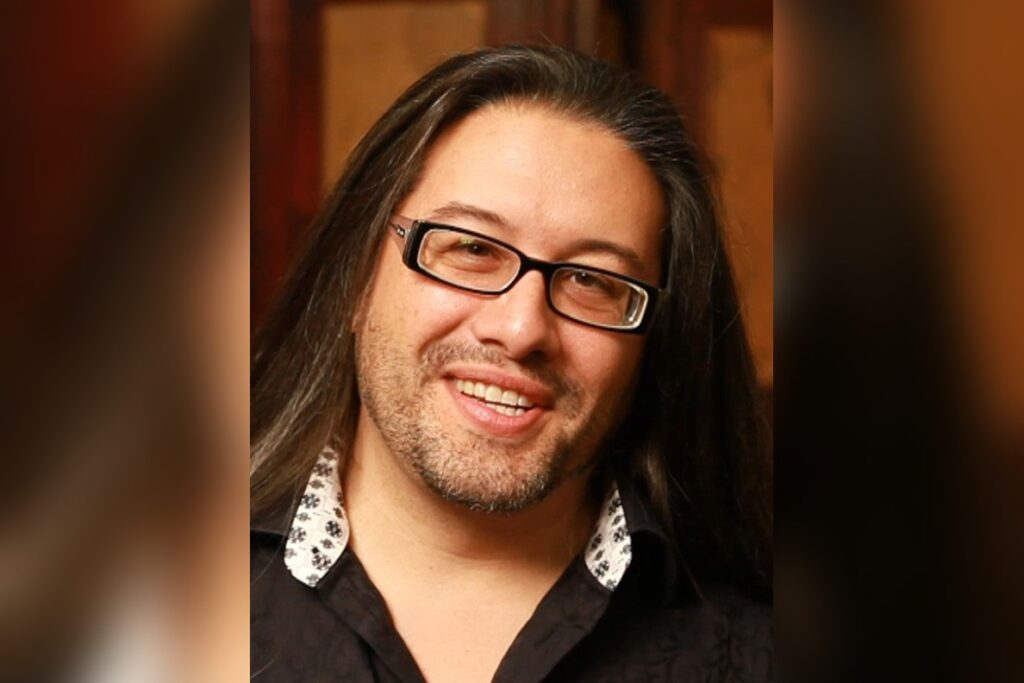
Ion Storm grew to about 80 employees, and its monthly expenses approached $1.2 million. Its first big game, Daikatana, came out in 2000, sold about 41,000 copies in the United States and was widely panned. The man behind it was John Romero, who had been fired from id Software four years earlier.
The book Masters of Doom traces how Romero and John Carmack went from building Doom together to splitting over what success should mean. The two arrived separately at a big Quake tournament in 2000, sharing a stage again but no longer a company.
Two ways to make games
Carmack wanted excellent programs and a company that stayed focused on them. He liked small teams. Romero wanted play, ambitious design and a larger creative empire.
The partnership began in a cramped office in Shreveport. Carmack wrote the code that made new worlds possible, and Romero imagined what players could do in them. In 1990, Carmack figured out smooth side-scrolling on a PC thought too slow for it, and Romero and Tom Hall used it to recreate a console platform game in a demo starring Romero’s character, Dangerous Dave.
Publisher Scott Miller, whom Romero met after noticing several fan letters came from one address, proposed shareware: give away the first episode, sell the rest. Miller advanced the team $2,000 to make Commander Keen by Christmas. The first episode appeared in December 1990, and by Christmas monthly sales were nearing $30,000.
Doom and the break-up
Doom added a multiplayer mode where players hunted each other through its levels, the mode known as deathmatch. The first public upload overwhelmed the University of Wisconsin’s computer system. Carmack also split much of Doom’s art, sound and level data into WAD files, so fans could swap in new content without overwriting the game. They built editing tools, levels and elaborate modifications.
The arguments came with it. Hall wanted a developed plot and characters; Carmack said story mattered less than immediate play, and Romero leaned toward a fast, frightening shooter. Hall’s design work was set aside and he was asked to leave.
Quake repeated the pattern. Romero imagined something more ambitious, while Carmack and other staff wanted a narrower, more direct shooter. Development dragged through conflicting plans, weak coordination and growing resentment, and Romero was fired.
He then founded Ion Storm with Hall and others, promising that design, not technology, would lead. The company took an extravagant Dallas penthouse and hired a large staff. Daikatana was meant to have many levels, monsters and settings, and it fell further behind when the team switched to the newer Quake II engine, which forced substantial rework.




