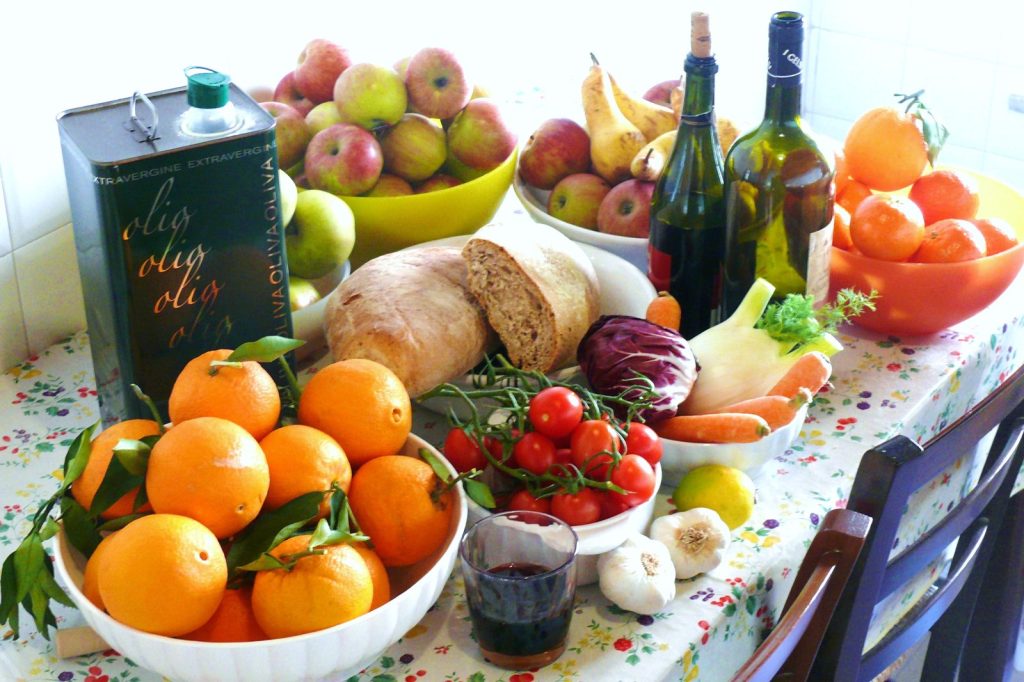
Registered dietitian Julia Zumpano of the Cleveland Clinic wants people to stop thinking of the Mediterranean diet as a diet at all. “Think of this way of eating as a lifestyle, not a short-term diet,” she says. The aim is long-term health and longevity, and research shows it to be the healthiest eating style for the heart, she adds.
It is built on whole foods and healthy fats, with fruits, vegetables, whole grains, fish, lean meats and olive oil on the plate. “The best thing about the Mediterranean diet is that people can follow it,” Zumpano says, because the foods are relatively accessible.
What to eat
Fish comes first. Zumpano recommends it at about three meals a week, three servings of 3 to 4 ounces, and favors types high in omega-3s, which have been shown to suppress inflammation. Frozen and tinned fish work for anyone far from the sea. Skinless poultry is the second choice, and the rest of the protein should come from plants.
Cooking is done in extra-virgin olive oil, which is pressed without chemicals or heat, protecting its phenols. Her target is at least 1 tablespoon a day and no more than 4. Fruit and vegetables belong at every meal: three servings of fruit and three or more of vegetables daily, and variety matters.
Grains should be whole, such as oats, quinoa, barley and brown or wild rice, at three to six servings a day. Dark chocolate of 70% cocoa or higher is an acceptable dessert.
What to hold back
Cheese is where most North American eaters need to rein in. The recommendation is about 3 ounces a week, Zumpano says, while many people eat 3 to 4 ounces a day. Milder choices such as cottage cheese, feta, fresh mozzarella, ricotta and goat cheese are better, and processed cheeses should go.
Red meat is limited to a single 3-ounce serving a week of lean cuts, and people with progressive heart disease should scale back further. Most healthy people can eat four to six egg yolks a week. Commercial baked goods are for special occasions, and baking, broiling, roasting and grilling beat frying, though air-frying and pan-frying can work.
Zumpano’s advice for starting is modest: add a fruit or vegetable to every meal and swap processed snacks for healthier ones. The diet is also associated with better brain function, stable blood sugar and a lower risk of certain cancers. Cleveland Clinic notes no discernible downsides, and “any small step” in that direction counts, she says.