
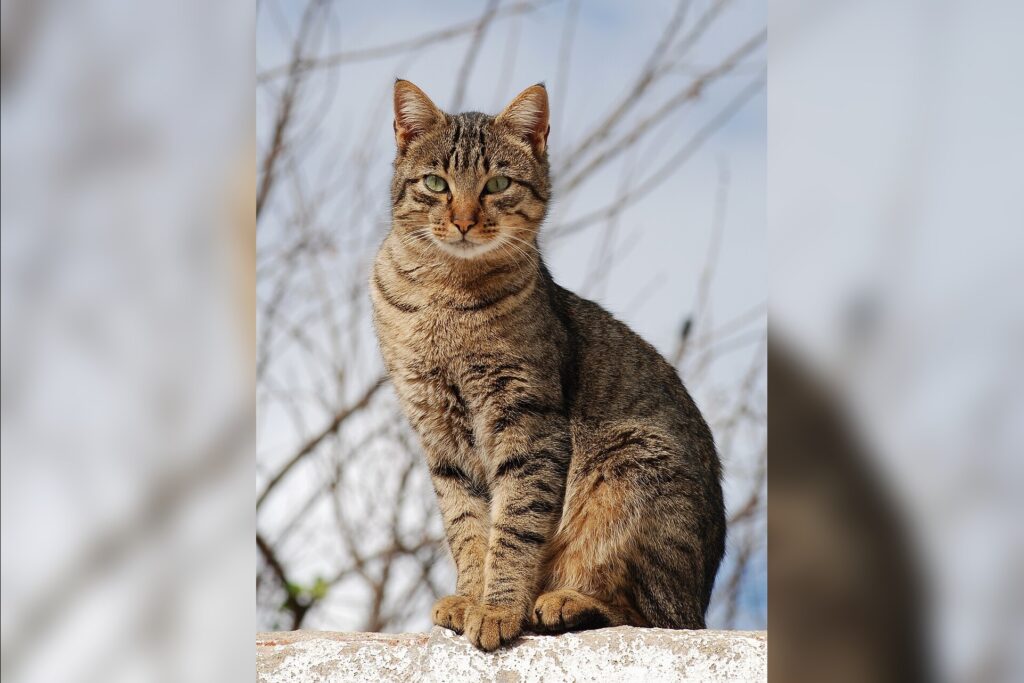
LONDON, October 1 The story begins with a vibration so quiet it can be felt more than heard, a low thrum rising from the chest of a cat curled in sunlight. At its heart lies a biological mechanism both familiar and mysterious: the purr. What unfolded over years of quiet observation in laboratories and homes alike reveals that this sound is far more than a sign of contentment — it is a healing pulse woven into the feline body.
Research from the University of California, Davis, published in the Journal of the Acoustical Society of America in 2001, identified that the low-frequency vibrations produced by a cat’s purr stimulate bone density and promote healing of fractures, tendon repair, and wound recovery. These vibrations, generated by rhythmic contractions of the laryngeal muscles and diaphragm, occur between twenty-five and fifty hertz during both inhalation and exhalation — a continuous vocalization unique among felids.
The same range has shown similar effects in human cells exposed to such frequencies in laboratory settings, suggesting cross-species therapeutic potential. Kittens begin purring as early as two days old, using the sound as a primary tool to communicate with their mother during nursing. It signals contentment and helps the mother locate them in the nest, a quiet beacon in the dark.
Adult cats extend this use into complex social interactions: they purr when being stroked, when seeking food or attention, and even when injured, ill, or under stress. This duality points to a self-soothing function — a way to manage pain and anxiety while simultaneously encouraging healing.
A 2009 study by the University of Sussex found that when soliciting food from humans, cats embed a high-frequency cry within their purr, ranging from two hundred twenty to five hundred twenty hertz. This sound, acoustically similar to a human infant’s cry, increases the urgency of the purr and elicits a faster response from owners. Scientists call this the “solicitation purr,” a sophisticated adaptation in feline-human communication shaped by domestication.
Evolutionary biologists note that purring is absent in roaring cats like lions and tigers due to anatomical differences in the vocal tract. Instead, it evolved in smaller felids as a quiet, low-energy signal that does not attract predators — a survival trait perfected over millennia. The act consumes minimal energy, allowing cats to sustain it for long periods during rest or recovery, turning stillness into active repair.
Veterinary researchers are now exploring low-frequency vibration therapy for musculoskeletal conditions in animals, inspired by the natural healing properties observed in purring cats. Despite decades of study, the exact neural trigger remains under investigation, though it is known to involve repetitive oscillators in the brainstem.
No single gene has been identified as responsible for the trait, which appears conserved across most small cat species, including the European wildcat and the jungle cat — both observed purring in captivity and in the wild. What follows may see this ancient mechanism move from living room windowsills into clinical settings, as science listens more closely to the quietest sound a cat makes.




