
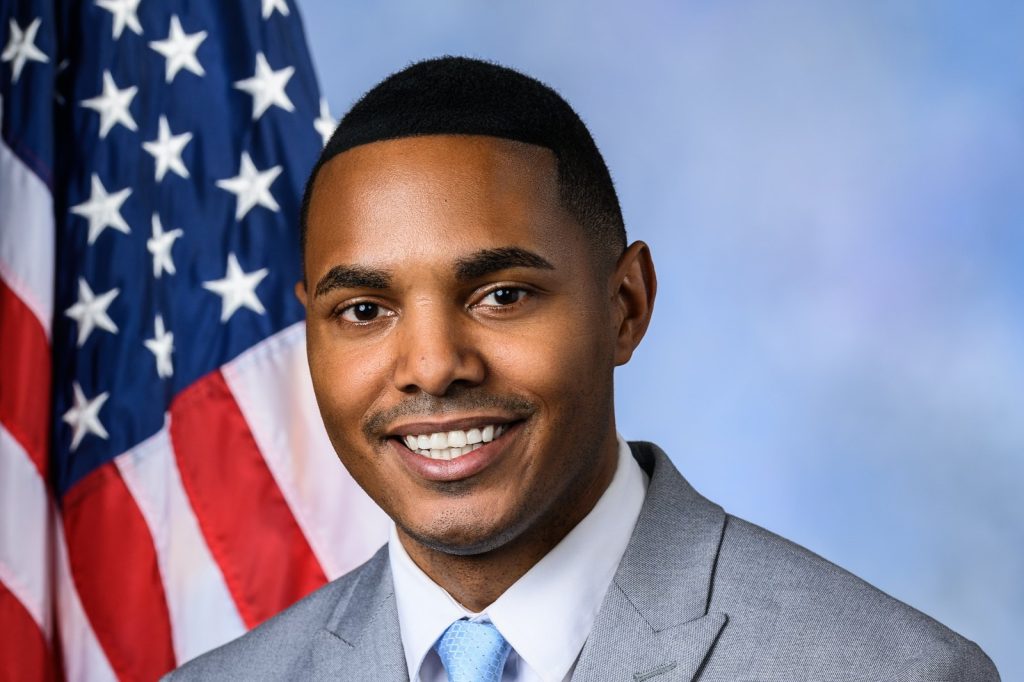
WASHINGTON, D.C., October 17, 2026 — New York Representative Ritchie Torres has introduced the Power To The Players Act, a bill that would require the Federal Trade Commission to regulate video game sales as ownership rather than revocable licenses.
Bill Redefines Digital Purchases as Ownership
The Power To The Players Act would direct the FTC to establish rules treating digital game purchases as durable ownership rights, not licenses that can be revoked. Under the bill, buying a video game would give the consumer ownership of the game rather than a license to play it. Games with online functionality would also be required to provide an offline mode before the servers supporting them are shut down. Torres cited NBA 2K25 as an example, saying the game launched on September 6, 2025, and is scheduled to become unplayable on December 31 due to server shutdowns. He said the bill would be a “restoration to the historical norm” that existed before games were primarily sold digitally.
Publishers Resist, Citing Licensing Model
Sony’s lawyers argued in a class-action defense that clicking ‘purchase’ implies a rental, not ownership, calling it a ‘one-time fee’ publishers can revoke. Torres called games pulled after shutdowns a ‘rental disguised as a sale,’ targeting families who ‘save up to buy these games.’ The Crew, an online-only racing game from Ubisoft, became unplayable after server shutdowns in 2024 despite no offline mode or community-server option being provided. NBA 2K25 will lose multiplayer, MyCAREER, and virtual-currency features post-shutdown, despite offline modes like Play Now remaining. Digital sales now make up 82 percent of PlayStation 4/5 full-game unit sales, leaving less than 20 percent in physical media.
Movement and State-Level Precedents Inform Bill
The bill cites the Stop Killing Games movement, which demands offline play, peer-to-peer patching, and community servers after discontinuation. Torres also tied the effort to a broader movement, with some consumers protesting Sony’s announcement that it plans to discontinue releases of PlayStation games on physical media. Pennsylvania’s Protect Our Games Act, introduced by Sen. John Kane, requires offline modes, community servers, or 25 percent refunds—modeling some of Torres’ demands. Publishers like Ubisoft and Sony have historically blocked offline modes, even for single-player campaigns dependent on servers.
Legal Hurdles Loom After Chevron Ruling
Legal uncertainty looms: The Supreme Court’s 2024 Chevron ruling limits the FTC’s ability to interpret ambiguous regulations. Torres’s bill would direct the Federal Trade Commission to establish regulations treating digital game purchases as durable ownership rights rather than potentially revocable licenses, and it would require games with online components to offer a functional offline mode once servers shut down. The Power to the Players Act had not been introduced in Congress yet, and the FTC’s ability to regulate could face legal limits after the Supreme Court’s 2024 decision overturning Chevron deference. No cosponsors or draft bill details were confirmed as of Oct. 16, 2026. The bill’s success hinges on FTC action, but industry lobbying and legal challenges could derail it before a vote.
Bill Includes Specific Examples of Affected Games
The bill cites NBA 2K25 as a key example, noting the game launched on September 6, 2025, and is scheduled to become unplayable on December 31 due to server shutdowns. Torres stated that NBA 2K25 will lose multiplayer, MyCAREER, and virtual-currency features post-shutdown, despite offline modes like Play Now remaining.
The Crew, an online-only racing game from Ubisoft, became unplayable after server shutdowns in 2024 despite no offline mode or community-server option being provided. Overwatch 2’s release also killed the first Overwatch game, replacing it outright instead of the first game becoming a purchasable and separately playable game.
Sources
- New York rep announces game ownership bill that would require consumer ownership rather than sale of licenses — would also require publishers to keep the game functional after support ends
- Rep. Torres Announces Power To The Players Act, Legislation to Ensure Gamers Own Their Games
- Ritchie Torres Proposes Power To The Players Act To Ensure Gamers Own Digital Games: how 15 outlets framed it | NewsCord
Photo: boris misevic / Unsplash (Unsplash License)




