
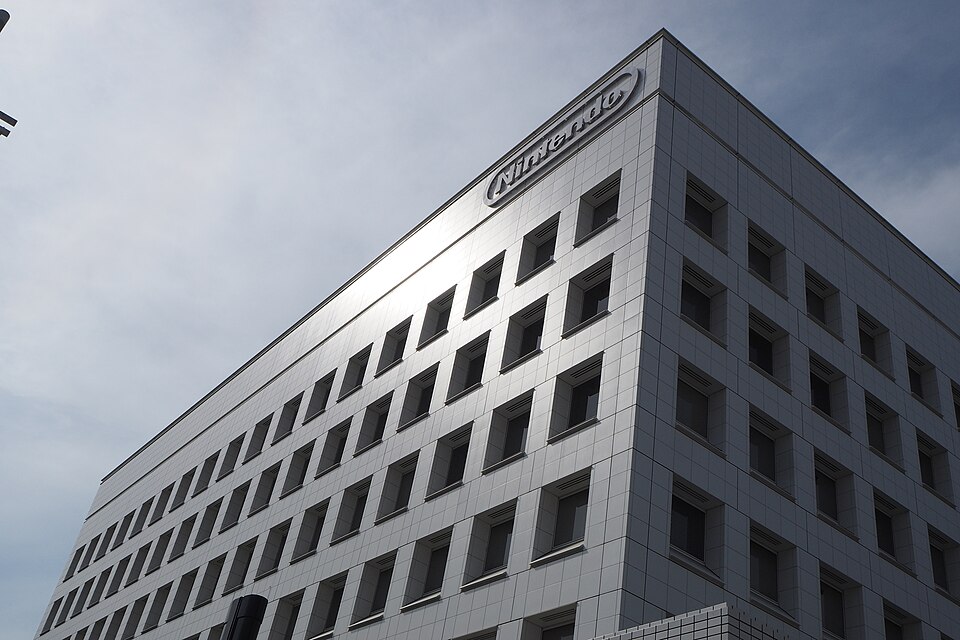
KYOTO, September 10 — Nintendo has received approximately $300 million in refunds from US tariffs and will not hand any of that money directly to players, opting instead for a 30 percent discount during a “Customer Appreciation Sale.” The refunds follow the US Supreme Court’s February 20, 2026 ruling in Learning Resources, Inc. v. Trump, which held that the International Emergency Economic Powers Act does not authorize the president to impose tariffs.
That decision invalidated the sweeping IEEPA tariffs the Trump administration had imposed in 2025, including the 10 percent baseline tariff on most imports and higher “reciprocal” tariffs on goods from dozens of countries.
Why Nintendo was exposed
Nintendo, the Japanese video game company founded in 1889 and headquartered in Kyoto, had been among the companies most exposed to those tariffs. Its hardware, including the Nintendo Switch 2 console launched in June 2025, is manufactured primarily in China and Vietnam. The company had warned in its fiscal year ended March 2025 earnings that tariffs could cost it up to 100 billion yen (about US$670 million) annually.
After the Supreme Court ruling, US Customs and Border Protection began processing refunds for tariffs collected under IEEPA. Nintendo confirmed it received approximately $300 million.
A windfall, but not a rebate
The refunds represent a significant windfall for Nintendo, which had seen its profit margins squeezed by import duties. The company said it would not pass the money to consumers as cash rebates, instead using a portion to fund the “Customer Appreciation Sale” offering 30 percent off select first-party games and accessories. Consumer advocates and some players have criticized the company for not sharing the refunds more directly, noting that the tariffs had been paid by importers and ultimately passed to consumers through higher prices.
Nintendo’s shares rose on the news of the refunds. The company is led by president Shuntaro Furukawa, who took office in 2018.
The “Customer Appreciation Sale” is scheduled to run for a limited time, though Nintendo has not announced specific dates.
The wider tariff picture
The episode highlights the broader impact of the Supreme Court’s tariff ruling on US businesses and consumers, with many importers now seeking refunds. The ruling has also raised questions about the future of US trade policy and the limits of presidential power on tariffs. For Nintendo, the next question is how the discount programme lands with players across Asia and beyond, and whether other importers follow with refunds of their own.




