
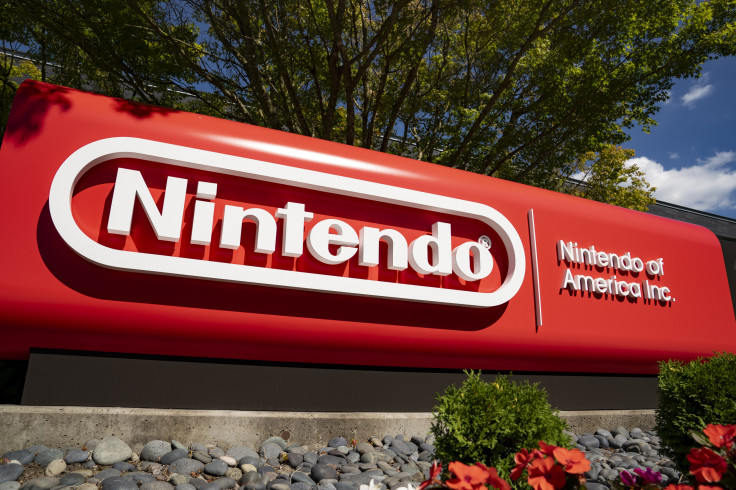
KYOTO, July 21 — For tech observers across Asia, the story of Nintendo is a masterclass in corporate reinvention. The Kyoto-based company, founded in the 19th century to produce handmade playing cards, has become one of Japan’s wealthiest and most valuable firms by betting on family-friendly entertainment. Its trajectory offers lessons for Indian and other Asian markets where global gaming brands compete for a rapidly expanding base of players.
Nintendo’s latest console, the Nintendo Switch, has built a dedicated following in India through imported units and online retail channels. Analysts note that the company’s ability to maintain relevance across decades is unusual in the fast-paced tech sector.
From Hanafuda to Handhelds
Fusajiro Yamauchi founded Nintendo on 23 September 1889 to produce hanafuda playing cards. The venture initially struggled but within a few years became the primary producer of hanafuda in Japan. The company entered the toy business in the 1960s, then video games, releasing its first arcade games in the 1970s and its first system, the Color TV-Game, in 1977.
International dominance came in the 1980s. The arcade release of Donkey Kong in 1981 introduced audiences to a character that would become iconic.
The Nintendo Entertainment System (NES) launched outside Japan alongside Super Mario Bros. in 1985, cementing Nintendo’s global presence. Since then, Nintendo has produced a string of hugely successful consoles: the Game Boy in 1989, the Super Nintendo Entertainment System in 1991, the Game Boy Advance in 2001, the Nintendo DS in 2004, the Wii in 2006, and the Nintendo Switch in 2017. Each device broadened the company’s reach across different demographics and regions.
As of May 2025, Nintendo’s game consoles have sold over 860 million units worldwide, with more than 5.9 billion individual games sold. The company is among the wealthiest and most valuable in Japan.
A Library of Icons
Nintendo’s major franchises include Mario, Donkey Kong, The Legend of Zelda, Pokémon, Super Smash Bros., Animal Crossing, Splatoon, Metroid, Kirby, and Star Fox. Mario is among the most famous fictional characters globally, and other characters like Luigi, Donkey Kong, Samus Aran, Link, Kirby, Pikachu, and Fox McCloud have international recognition. In Asian markets outside Japan, these franchises have become household names.
Pokémon, in particular, has generated massive engagement in India through media, merchandise, and local events, even as console penetration remains lower than in North America or Europe. Nintendo owns numerous subsidiaries worldwide, including Nintendo of America, which handles U.S. operations.
The company’s history demonstrates that the U.S. market has been a critical component of its success. Second-party developers include HAL Laboratory, Intelligent Systems, and Game Freak, the studio behind Pokémon. For Indian gamers, Nintendo’s family-friendly brand and innovative hardware continue to attract enthusiasts who import consoles or purchase through grey-market channels.
The company’s deliberate pace in expanding official presence across Asia means that growth potential remains significant. With its historic ability to adapt from playing cards to digital entertainment, Nintendo remains a bellwether for the global gaming industry.
Its next moves are closely watched by investors and gamers across Asia as the company navigates an increasingly competitive landscape.




