
Lose your smartwatch charger and you may be stuck. Lose a phone charger and almost anyone nearby can lend you one. The gadget world has settled on USB-C for phones, tablets and even the Nintendo Switch 2, yet the thing on your wrist still wants its own cable.
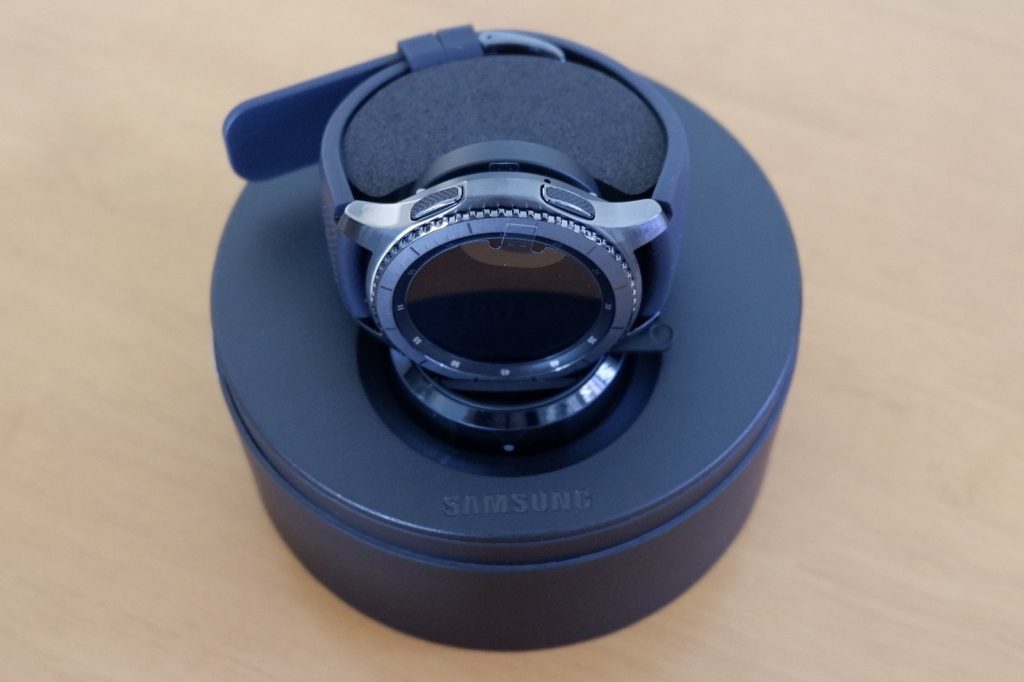
BGR spelled out the problem. An Apple Watch charger will not power a Samsung Galaxy Watch. Each maker has its own cable, held to the watch by magnets or by small spring-loaded pins. Fitbit is the worst offender: even its own models do not always share a charger. And Google shows that brand loyalty protects nobody: the first Pixel Watch charged on a wireless puck, the Pixel Watch 2 moved to pogo pins, which left the old puck useless, The Verge reported, as quoted by Techwalla.
Why not just add a port?
The short answer is room and water. A USB-C socket takes up space inside a case already crowded with the battery and electronics. The slimmest watches and fitness bands have nowhere to put one. Cutting a hole in the case also threatens the seal that swimmers depend on, and SlashGear points out that a watch is more exposed to dust and moisture than a phone because it sits on your wrist all day.
Techwalla gives a sharper way to see it. The trouble is not that USB-C and water cannot coexist. The trouble is that a port is one more opening to seal, in a case with almost no space to spare. The Pixel Watch 2 from Google shows the squeeze. Its new heart rate sensor, pitched as 40 percent more accurate in vigorous exercise, ate into the interior and left less space for charging parts.
Shape matters too. Phones, whatever the brand, look broadly alike. Watches come as round faces, square faces, slim bands and bulky adventure models, so each maker designs a connector to fit its own housing. There is also a commercial angle, since a special cord is something to sell.
Pins are not just habit
Pogo pins touch metal pads directly. According to Techwalla, citing Android Authority, that wastes less energy and runs less hot than a wireless pad, and nobody has to line anything up. The Pixel Watch 4 from Google makes the case. Its two-pin dock is roughly 25 percent quicker than the Pixel Watch 3 charger: the 41mm version hits 50 percent after 15 minutes and is full at 45, where the older watch needed 24 minutes and 60.
The cost is wear. Exposed pins collect dirt and sweat and can corrode or snap off. Coros supplies a tiny rubber cap to protect the contacts, though it is loose and easy to misplace.
Waste, and a possible fix
A charger that fits only one watch becomes junk when the watch is replaced, and BGR ties this to e-waste that is rarely recycled properly. Qi2, which the Wireless Power Consortium announced in January 2023, is the standard most often suggested as the cure. Adoption has been slow, and some Android watches, including Samsung’s Galaxy Watch line, still use coils that are not Qi compatible. Even a full switch would not close the speed gap, because a watch coil is small by necessity.
A legal mandate has its critics. IDC research manager Jitesh Ubrani said that “Regulating a charging standard today would stifle innovation that would likely hurt consumers and governments even more than having multiple chargers.”
Smaller brands have tried USB-C anyway. The boAt Storm Call 4, launched in India in May 2026, has a port and claims an IP68 rating. The Colmi P80 claims IP67 and includes a rubber seal for its socket.
Sources
- Why Smartwatches Don't Use USB-C Ports (Even Though It's Faster) (BGR)
- Why Don't Smartwatches Use USB-C Charging Ports? (Techwalla)
- There's A Good Reason Why Many Smartwatches Don't Use USB-C Charging Ports (SlashGear)




