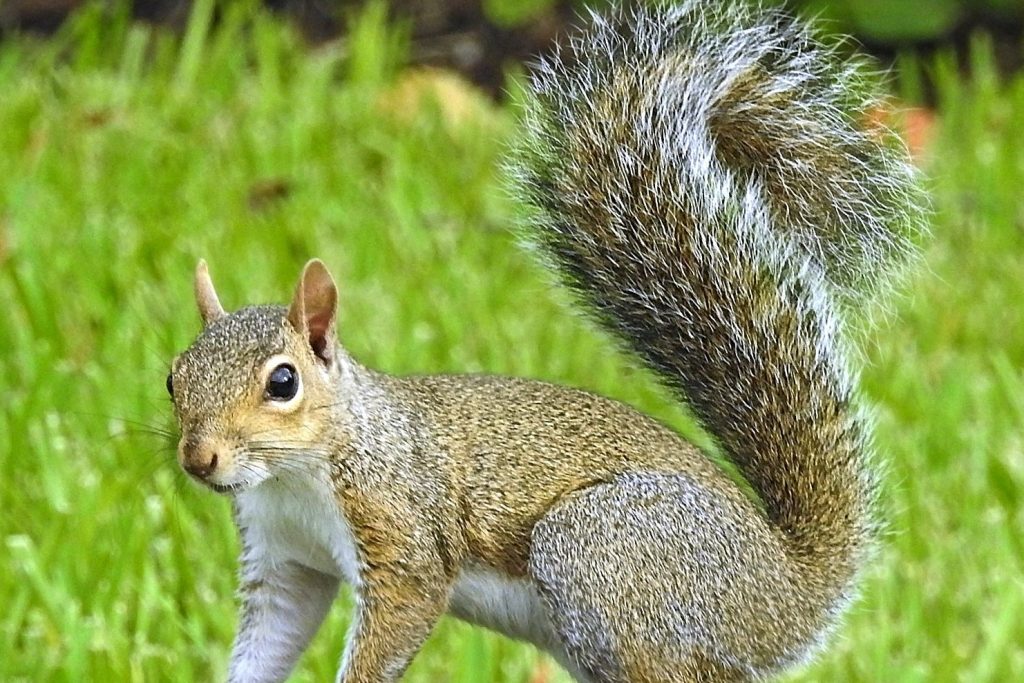
A squirrel drops to the ground, presses its flanks and belly into loose earth, and wiggles. It kicks fine dry soil or sand up and over its fur. People who see it often wonder what is going on. Biologists call it dust bathing, and it does at least four jobs.
Coat care and parasites
The main reason is keeping the coat in shape. Thrashing in fine dust works millions of tiny abrasive particles deep into the fur, and the dry bath acts like a natural exfoliant that knocks loose mites, fleas and ticks. The dust also soaks up excess moisture and oil on the coat. A buildup of those secretions suits parasites, so removing it makes the squirrel a poorer host. After a thorough roll, the animal shakes hard and sheds both the dust and the parasites.
Sometimes the rolling is closer to desperation. Botfly larvae cause itchy lumps under the skin, and a squirrel cannot reach them with its paws. It rolls and rubs against rough surfaces to scratch the spot and get some relief.
Staying cool
Heat is another driver. On a hot day, the ground a few inches below the surface is often much cooler than the air. A squirrel that presses its body into it passes warmth straight to the earth. Squirrels also “sploot,” spreading their limbs flat to maximize contact, but a full roll can cool them in a similar way. The belly has thinner fur, so it gives off heat well against cool soil, and the relief is quick.
A message left in the dirt
Squirrels have scent glands on the cheeks, flanks and near the base of the tail. When one rolls or drags its body over the ground, it leaves chemical signals called pheromones in the soil. That marks the spot as occupied. The scent carries information about the individual’s sex, social status and reproductive readiness, a kind of temporary notice board for squirrels passing through. They can announce who they are without meeting face to face.