
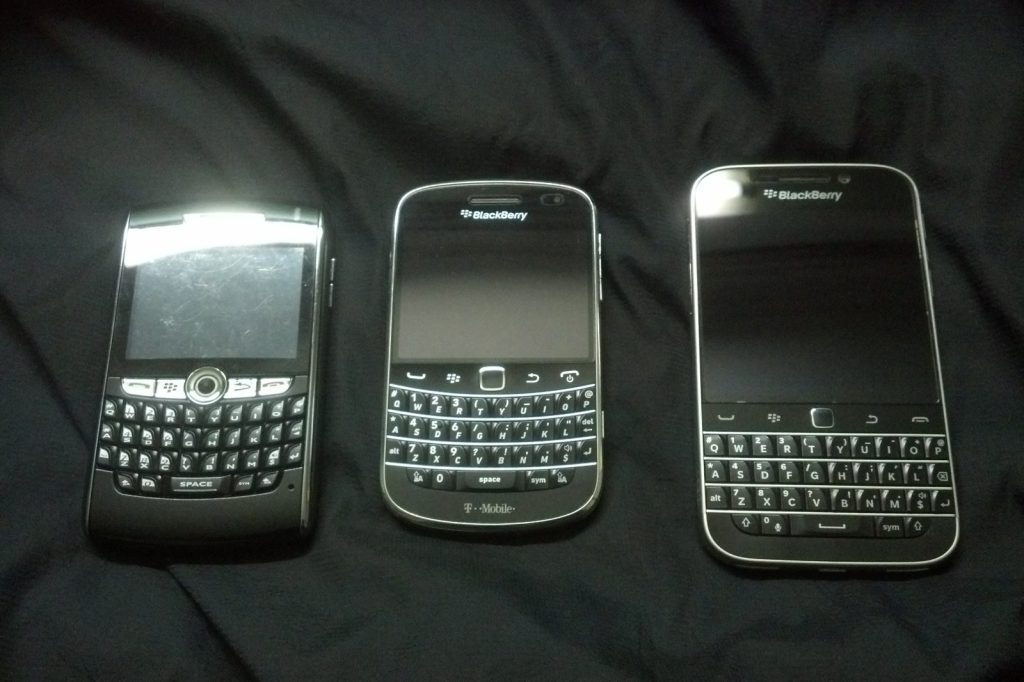
The last handset carrying the BlackBerry badge will leave TCL’s factories on 31 August 2020, after which the brand will disappear from most markets worldwide. TCL, the Chinese electronics firm that revived the once‑ubiquitous Canadian smartphone line in 2016, announced on Twitter that it will not extend the four‑year licensing agreement it holds with BlackBerry Limited. BlackBerry Limited, based in Waterloo, Ontario, stopped manufacturing its own devices in 2016 and has since relied on partners to produce phones under its name.
With TCL’s exit, the company again finds itself without a global hardware collaborator. The license granted TCL exclusive rights to design, assemble and sell BlackBerry phones everywhere except India, Sri Lanka, Nepal, Bangladesh and Indonesia, where separate local licensees operate.
Those regional partners will continue their arrangements, but TCL’s worldwide distribution network will cease. The partnership, launched with the KEYone at Mobile World Congress in February 2017, never managed to restore BlackBerry to its former dominance in corporate and government circles. The KEYone combined a 4.5‑inch touchscreen with the iconic physical keyboard and ran Android 7.1 with BlackBerry Hub software.
Early reviews highlighted the blend of Android flexibility and BlackBerry’s security‑focused interface, yet the device soon suffered a notable hardware flaw: the LCD panel could detach from the chassis. TCL described the problem as “adhesive failure in a small number of units” and offered free replacements, but the issue underscored the challenges of reviving a nostalgia‑driven brand.
In an attempt to broaden appeal, TCL released the Motion in October 2017, a slab‑style phone without a keyboard, followed by the KEY2 in June 2018. Neither model achieved significant market traction. While a dedicated niche of BlackBerry enthusiasts continued to purchase the devices, mainstream consumers remained loyal to Apple and Samsung. TCL, better known in North America for low‑cost televisions, lacked the marketing budget and carrier relationships needed to promote a premium‑priced keyboard phone at scale.
Over the four‑year term, the collaboration yielded only a handful of models and a modest user base. BlackBerry’s name, its security software and its patent portfolio now sit without a manufacturing partner.
The brand, which once shipped roughly 50 million phones annually, is now reduced to licensing revenue. With the August deadline, no new BlackBerry smartphones will be produced for the global market. The South Asian and Indonesian licensees may keep offering devices locally, but their limited scale is unlikely to sustain the brand internationally.
Existing owners of KEYone and KEY2 handsets face a future without new devices or software updates from TCL, pushing those phones toward gradual obsolescence. For BlackBerry Limited, the situation revives a question that resurfaced after its 2016 exit from hardware: can the BlackBerry identity endure without a flagship phone of its own?
The experience of the past four years suggests the licensing model that temporarily revived the name has reached its limits, and TCL’s departure signals the end of that chapter. The iconic keyboard may soon become a quiet footnote in mobile history.




