
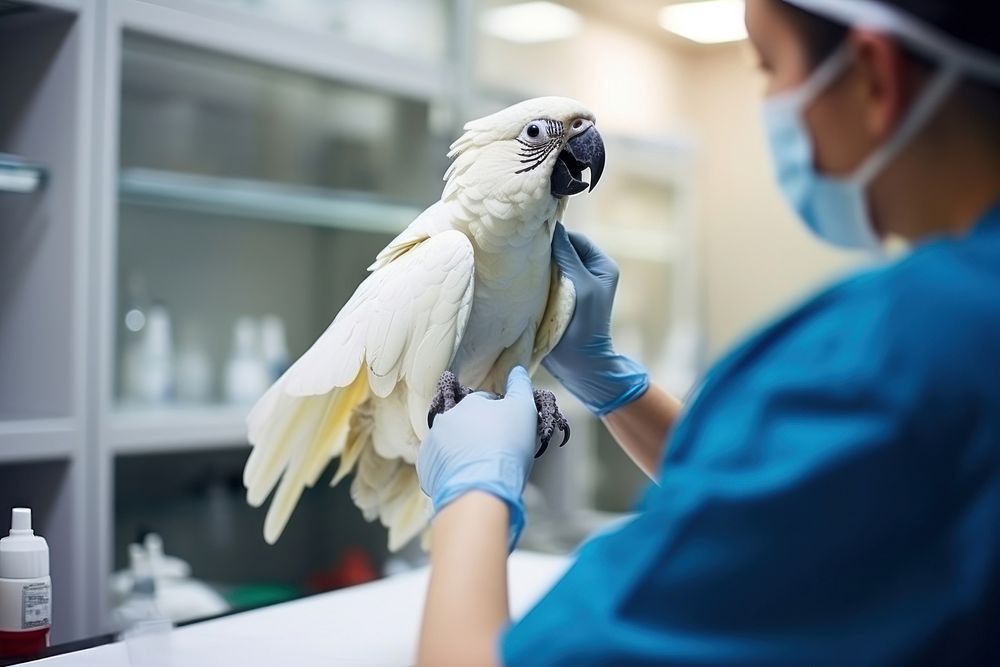
“Hours count,” says Buz Marthaler, co-founder of the Wild Life Rehabilitation Center of North Utah. Broken bird bones can begin to heal wrongly very fast, so he suggests treating an injured bird with the urgency you would give a child with a fractured arm.
The urgency does not mean doing it yourself. Well-meaning rescuers often end up doing more harm than good. Marthaler’s first rule: “In all cases, it is always best to contact a local licensed wildlife rehabber so you can relay the pertinent information to them and they can figure out what is best.”
Some birds that look hurt are not, he says. Others are dangerous to handle. A heron or loon can seriously injure a caregiver’s eye if it feels threatened, and a bird of prey can drive its talons into flesh and hold on.
Leave the fledglings
Age changes the answer. A baby pushed out of its nest can be placed carefully back in it. A fledgling, a young bird that has just learned to fly, should be left alone so its parents can keep feeding it. Pet owners should keep unattended dogs and cats indoors for 24 to 72 hours. “By then the youngster should be off the ground and fine,” Marthaler says.
Getting the bird to a rehabber
Caring for a wild native bird without a licence is illegal. Moving a sick, injured or orphaned one is allowed, and Marthaler gives rules for the trip:
Never put food or water in an injured bird’s mouth. Use a box or tote bag lined with paper towels so the bird does not slip, and cover it securely to block light, sound and curious children or animals. Stress can kill. “Once it’s in the box, it’s best not to open it again,” he says. Watch the temperature, especially with a baby bird, which probably needs warmth. In summer, keep the box away from the car’s A/C vent. In winter, a spot near the heat vent may help.
Injuries people cause
Many injuries are preventable. “We receive hundreds of healthy baby birds every year” hurt by human activity, Marthaler says, such as pruning trees and shrubs in breeding season. He recommends pruning in the fall, or checking carefully first for small nests such as a hummingbird’s. He also advises repairing damaged soffits and siding, covering holes and cracks that let birds in, and fixing broken dryer vents.
If a nest in the way holds young, wait a couple of weeks. “Robins, sparrows and finches are all gone from the nest within 14 days of hatching,” he says, and removing the nest once they leave pushes the parents to nest elsewhere. He also suggests keeping cats indoors at all times, since they injure wild birds too.




