
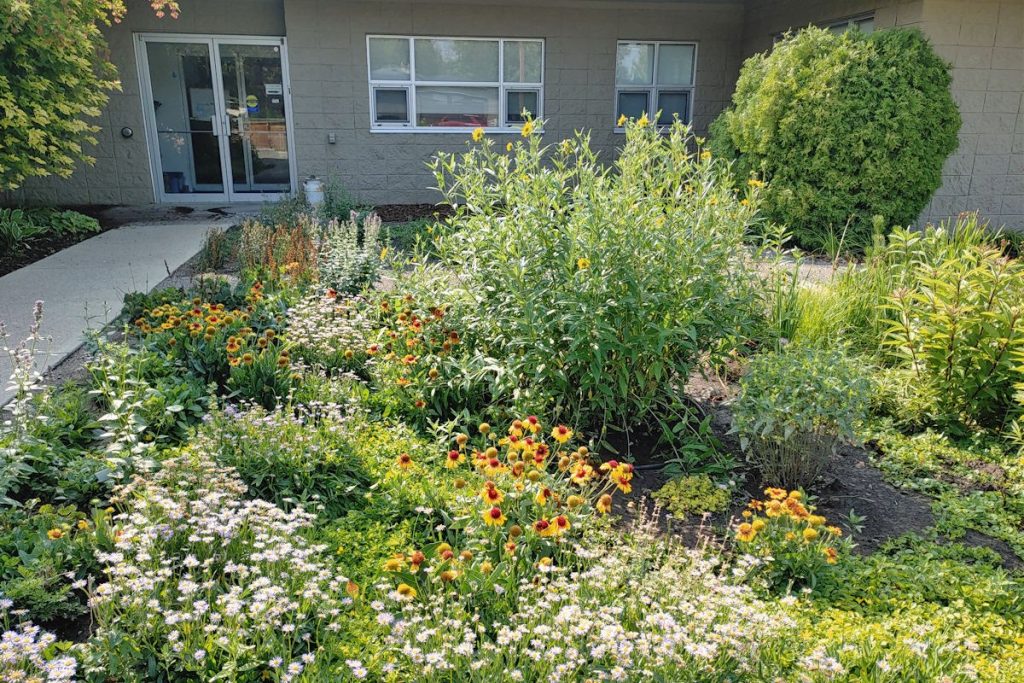
LUXEMBOURG, July 18 — A new funding scheme is putting the bulk of its resources into physical, lasting environmental projects, with a smaller share reserved for community education. The Local Environmental Action Fund, with a total budget of €50,000, has structured its spending to prioritize tangible outcomes over awareness campaigns alone. Approximately 80% of the fund — or €40,000 — flows into a Capital Investment Fund.
This portion is dedicated to physical infrastructure and installations that remain in place long after the funding cycle ends. Think rain gardens that filter stormwater, community orchards that provide food and shade, solar panels that cut electricity costs, and energy upgrades for buildings.
These are projects with a visible footprint. They reduce carbon emissions, add green space to neighbourhoods, and deliver measurable environmental benefits that communities can see and use every day. The remaining 20% — about €10,000 — goes to the Events and Awareness Fund.
This covers workshops, training sessions, and public events designed to build community capacity and knowledge. It is the educational arm of the initiative, aimed at multiplying the scheme’s impact over time by equipping people with skills and understanding.
Why capital-heavy makes sense
The fund’s architects made a deliberate choice. By channeling most resources into the Capital Investment Fund, they emphasize strategic outcomes that can be quantified — carbon reduction, increased green space, improved infrastructure resilience. These are not abstract goals; rain gardens absorb runoff, solar panels feed power back into grids, orchards turn vacant lots into productive community assets.
Yet the Events and Awareness Fund is far from an afterthought. Workshops and training sessions can amplify the reach of the physical projects.
A community that learns to maintain its own rain garden or orchard is a community that sustains the investment. A solar panel installation paired with training on energy efficiency can multiply savings across a neighbourhood.
What this means on the ground
For communities across the region, the fund’s structure offers a mix of immediate and lasting benefits. The Capital Investment Fund delivers infrastructure people can rely on — shaded gathering spots under fruit trees, lower utility bills from energy upgrades, greener streetscapes from rain gardens. These are not one-off events; they become part of the fabric of daily life.
The Events and Awareness Fund, meanwhile, creates opportunities for connection. Public events bring neighbours together around a shared goal.
Workshops teach practical skills — how to plant and care for an orchard, how to monitor energy use, how to build a rain garden. Training sessions build local expertise that stays in the community long after the facilitators have left.
The multiplier effect
This dual-track approach reflects a recognition that environmental gains are strongest when infrastructure and knowledge grow together. A solar panel without understanding of its maintenance may fail early. A workshop without a physical project to apply it to may inspire action that has nowhere to go.
The fund’s capital-heavy split, with 80% to infrastructure and 20% to education, seeks to balance these needs while keeping the focus on measurable, durable outcomes.
Looking ahead
The Local Environmental Action Fund’s model offers a template for how small budgets can be leveraged for maximum effect. With €40,000 committed to physical installations and €10,000 to community learning, the fund is betting on projects that will endure and on people who will sustain them. How communities apply for these resources, and which projects get selected, will determine how the fund’s priorities translate into real-world change.
For now, the strategy is clear: invest in what lasts, and invest in the people who will keep it lasting.




