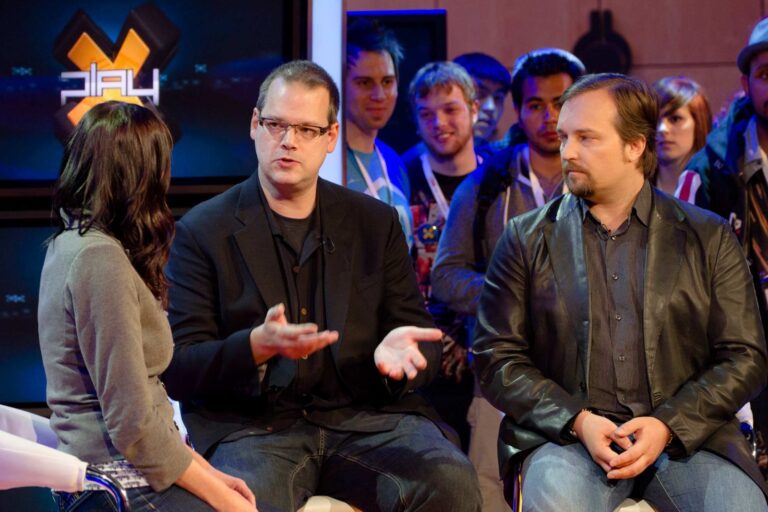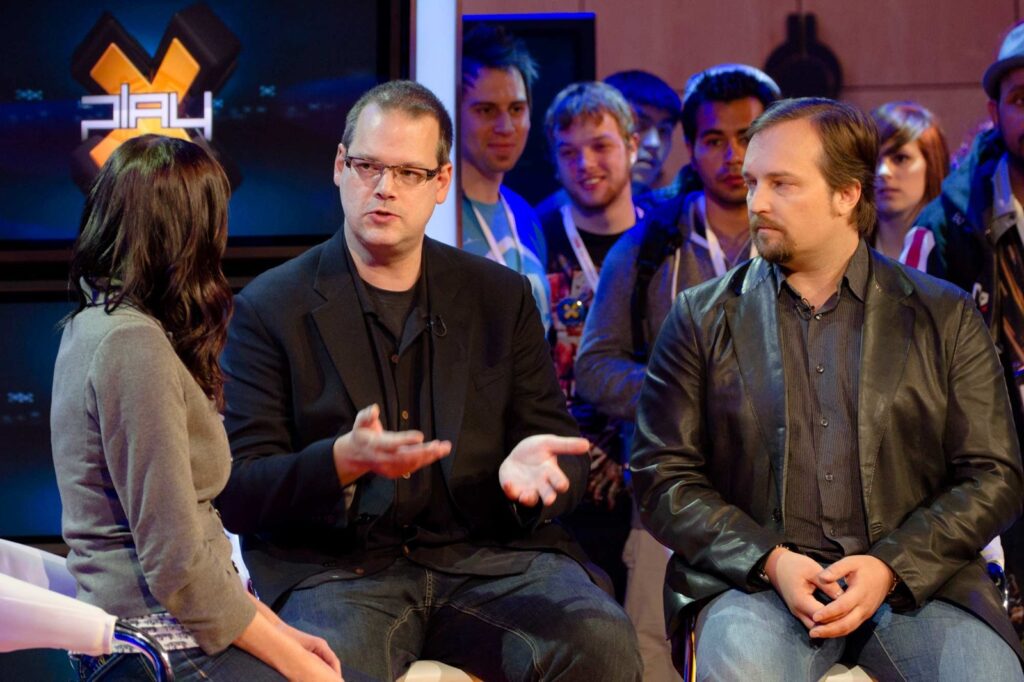
EDMONTON, October 22, 2026 — Electronic Arts announced the shutdown of BioWare, ending a three‑decade run that reshaped how role‑playing games tell stories, according to a Variety memo released on October 21.
Foundations in Medicine and Gaming
BioWare emerged in 1995 when three University of Alberta medical graduates—Ray Muzyka, Greg Zeschuk and Augustine Yip—pooled $300,000 of personal capital to launch a video‑game studio in Edmonton, Alberta (source: Wikipedia). Their medical background gave them both the funding and a disciplined development mindset that would later define the studio’s approach to complex narrative systems.
The first title, Shattered Steel, arrived in 1996 as a modest commercial success, noted by IGN for its deformable terrain and zone‑damage mechanics (source: Wikipedia).
Early staff member Trent Oster, who joined after the original development team split, helped complete Shattered Steel and later contributed to the studio’s first foray into player‑driven narratives (source: Wikipedia). The experience cemented BioWare’s reputation for integrating sophisticated mechanics with emergent storytelling.
From Licensed Classics to Original Worlds
BioWare’s breakthrough arrived with the Dungeons & Dragons‑licensed Baldur’s Gate series, which demonstrated that player choice could affect plot, dialogue, and character development on a scale previously unseen in mainstream games (source: Wikipedia). The studio followed with Neverwinter Nights and the Star Wars‑based Knights of the Old Republic, each reinforcing a design philosophy that placed moral ambiguity and branching dialogue at the core of the experience (source: Wikipedia).
Building on that foundation, BioWare launched original intellectual properties that would become cultural touchstones. Jade Empire introduced Eastern mythos, while the Mass Effect trilogy and Dragon Age series combined sci‑fi and fantasy settings with intricate relationship meters and consequence‑driven plot arcs (source: Wikipedia). The studio’s 2011 debut of the MMORPG Star Wars: The Old Republic extended its narrative ambitions into persistent online worlds (source: Wikipedia).
These franchises not only sold millions of copies but also inspired a generation of developers to prioritize choice‑driven storytelling. The “player‑choice” model became a benchmark for narrative design, influencing titles across genres and prompting publishers to invest in similar systems.
Acquisition, Restructuring, and the End of an Era
In 2007, American publisher Electronic Arts acquired BioWare, integrating the Edmonton studio into a larger corporate structure while allowing it to retain creative autonomy (source: Wikipedia). The acquisition coincided with EA’s expansion into live‑service models, a shift that would later strain the studio’s traditional development cycles.
Over the next decade, BioWare experienced both highs and lows. While early Mass Effect and Dragon Age entries garnered critical acclaim, later releases such as Mass Effect: Andromeda and Dragon Age: Inquisition faced mixed reception, prompting EA to trim staff and re‑evaluate the studio’s direction (source: Mashable). By 2025, EA’s broader restructuring—following its privatization and a 2024 acquisition by the Saudi Arabian Public Investment Fund—had already led to layoffs at BioWare.
On October 21, 2026, EA announced the closure of BioWare’s Edmonton office, citing the termination of a new Mass Effect project as the immediate trigger (source: Variety). The memo from EA presidents Cam Weber and David Tinson framed the decision as part of a 3 % global workforce reduction, amounting to roughly 400 employees (source: Variety). BioWare’s final headcount stood at about 50 staff members, according to Bloomberg reporting (source: Mashable).
The shutdown marks the first time a studio credited with defining modern RPG mechanics has been dissolved under a major publisher, a development that reverberates through both the gaming community and the broader creative economy.
What the Closure Means for Narrative RPGs
BioWare’s exit removes a primary incubator for choice‑centric design, a gap that could alter the strategic calculus for publishers seeking to replicate its success. Without an internal champion for deep branching narratives, EA may shift resources toward genres with more predictable revenue streams, such as first‑person shooters and live‑service multiplayer titles, as indicated by the company’s emphasis on “Battlefield 6” and upcoming “Star Wars: Battlefront 3” projects (source: Variety).
For independent developers, the vacuum may present both risk and opportunity. The loss of a large‑scale studio reduces competition for talent, potentially lowering hiring costs for smaller teams that wish to experiment with narrative complexity. At the same time, the absence of BioWare’s financial backing could make it harder for ambitious RPGs to secure the deep funding historically required for multi‑year development cycles.
From a consumer perspective, the closure signals a shift in the market’s appetite for story‑heavy experiences. While player‑choice mechanics have been adopted by many titles, the scale and polish that BioWare delivered are unlikely to be replicated quickly. The industry may see a rise in hybrid models—shorter, episodic narratives or modular story packs—that aim to preserve the spirit of player agency without the overhead of a full‑scale RPG.
Strategically, the shutdown underscores how corporate restructuring can reshape creative ecosystems. As EA consolidates its studio portfolio, the broader gaming sector will watch closely to gauge whether narrative innovation can thrive under tighter fiscal constraints or whether it will migrate to more agile, indie‑driven development pipelines.
In the final analysis, BioWare’s three‑decade legacy will continue to influence design philosophy, even as the studio’s physical doors close. The studio’s pioneering work on player agency set a benchmark that future developers will reference, and its absence may prompt a re‑examination of how narrative depth is balanced against commercial imperatives in the evolving interactive entertainment market.
Sources
- BioWare
- Electronic Arts Laying Off 3% of Employees in Studios Restructuring: BioWare Shutting Down, Respawn and DICE to Team on ‘Star Wars: Battlefront 3’
- EA shuts down BioWare, studio behind Mass Effect, Dragon Age
Photo: Photo is by Richard Cabrera (CC BY 2.0)