
Rochester, New York, October 4 — The story begins in quiet rooms where old cartridges and floppy disks are handled like fragile artifacts, their futures uncertain as technology races forward. At its heart, video game preservation is a race against time, driven by archivists, museums, and digital collectors who refuse to let classic games vanish into obsolescence. What unfolded over the years is a growing effort to save titles threatened by decaying media, legal barriers, and disappearing hardware.
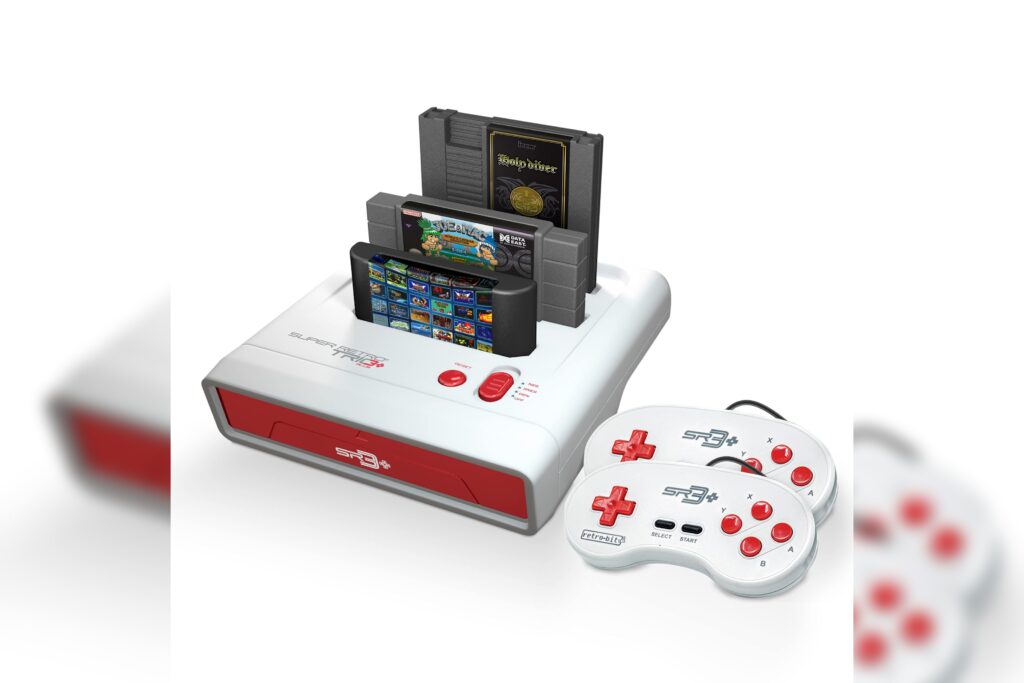
Original systems like the Nintendo Entertainment System and Sega Genesis are now rare and prone to failure, pushing preservationists to rely on emulation, hardware cloning, and digital archiving to keep games playable. The Internet Archive’s Software Library, launched in 2011, hosts over 14,000 classic titles from systems including Atari 2600, Commodore 64, and MS-DOS, offering free browser-based access through emulators like JSMESS.
This digital repository has become a vital resource for anyone seeking to experience early gaming history without needing original hardware. The Strong National Museum of Play in Rochester, New York, holds the world’s largest collection of video games and related materials, with over 60,000 items including prototypes, design documents, and rare editions. This trove supports both scholarly research and public exhibitions, anchoring preservation efforts in one of the field’s most significant institutions.
Legal challenges persist due to copyright law. The Digital Millennium Copyright Act of 1998 initially prohibited circumventing copy protection, but triennial exemptions granted by the U.S. Copyright Office since 2003 have allowed preservation activities for abandoned software.
The 2021 renewal extended these exemptions for three years, offering temporary relief to those working to save at-risk titles. Organizations like the Video Game History Foundation, founded in 2017 by Frank Cifaldi — a former game journalist and preservation advocate — work to document development history, recover lost source code, and advocate for legal reforms. Cifaldi has led efforts to recover prototypes such as the 1995 Nintendo PlayStation, a joint venture between Nintendo and Sony that never released, of which only one known prototype exists.
Preservation also addresses cultural significance. Games like ‘Pac-Man’, ‘Super Mario Bros.’, and ‘The Legend of Zelda’ are recognized not only as entertainment but as influential art forms that have shaped global pop culture, narrative design, and interactive media. Their impact extends beyond nostalgia, influencing how stories are told and experienced in digital spaces.
Educational institutions have increasingly integrated game studies into curricula. Universities such as the University of Utah and New York University now offer degrees in game design and preservation, training a new generation to safeguard this evolving medium.
Despite progress, challenges remain. Magnetic media like floppy disks and CD-ROMs degrade over time, suffering from ‘bit rot’ that can render data unreadable. Some rights holders hesitate to release older titles due to licensing complexities, leaving many games in legal limbo.
Preservationists emphasize that without active intervention, many games from the 1970s to early 2000s risk becoming inaccessible, erasing vital chapters of digital cultural history. What follows next depends on continued support for legal exemptions, technological innovation, and public awareness — because saving these games is not just about play, but about remembering how we learned to play.




