For many families who bought an iPhone 6 or 7, the phone started to feel sluggish after an update, and the usual answer was to buy a new one. Apple has now tentatively agreed to a settlement worth between $310 million and $500 million over those complaints.
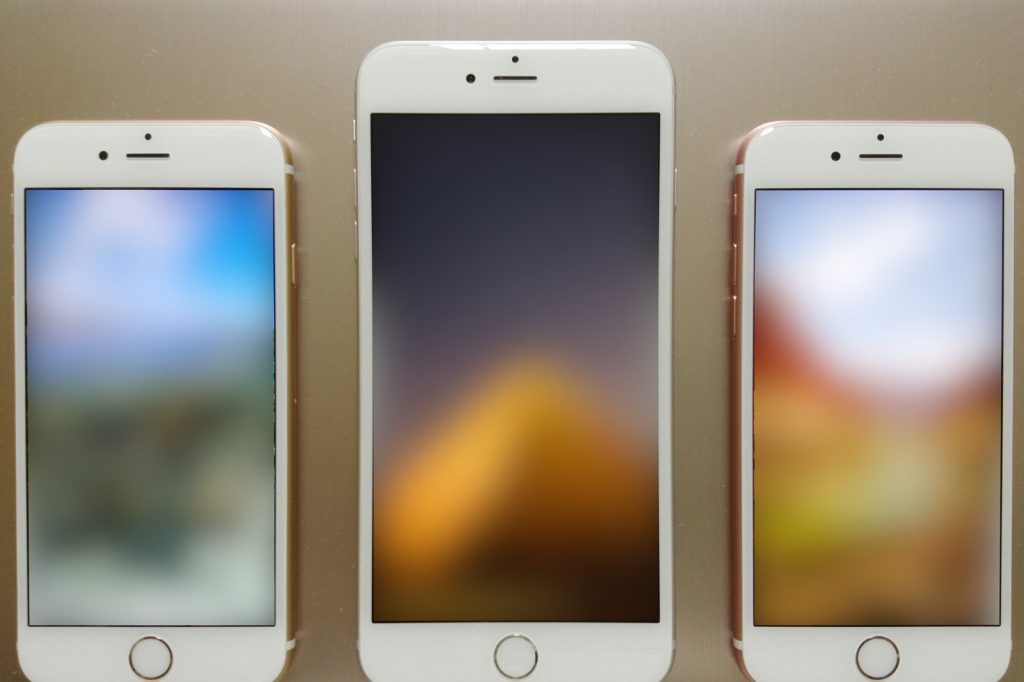
Filings in federal court in San Jose show the deal covers current and former U.S. owners of the iPhone 6, 6 Plus, 6s, 6s Plus and SE running iOS 10.2.1 or later. It also takes in iPhone 7 and 7 Plus owners who ran the required software before December 21, 2017. A judge has yet to sign off.
The default payment is $25 per phone. Named class members would get $1,500 or $3,500, and about $90 million is set aside for attorneys. When few people file claims, the payments could rise toward the $310 million minimum. If $25 times the number of approved phones comes to more than $500 million, each payment is cut to fit.
Apple would hand an administrator the names, email addresses, mailing addresses and serial numbers of everyone who owned or used an eligible device. The administrator would email a claim form to the address on each Apple ID, and mail it where no valid email exists.
How the case started
Complaints about phones shutting off unexpectedly began to surface in 2015 and climbed in the fall of 2016, the lawsuit says. Some users said their phones died with more than 30 percent battery left. In 2017, users found that iOS limited processor speeds as batteries aged. Apple had not said so, and customers who bought new phones argued that a replacement battery would have done the job.
Dozens of lawsuits filed between 2017 and 2018 were later folded into one complaint. It accused Apple of “one of the largest consumer frauds in history.”
Apple said in the agreement that it “vigorously” disputed the claims and settled “in order to eliminate the burdens, distractions, expense and uncertainty of protracted litigation.” In a January 2019 filing, it described lithium-ion batteries as “consumable” parts that wear down with age, charging and heat, and said its iOS 10.2.1 update “successfully reduced the frequency of unexpected shutdowns.”
Apple has already cut the price of battery replacements and offered partial refunds to some owners who paid for a new battery. France announced a 25 million euro fine last month, and Italian authorities have also censured the company. The U.S. Justice Department announced an investigation in 2018.
Sources
- Apple Agrees to Pay $500M in iPhone-Throttling Settlement
- Apple agrees to $500 million settlement for throttling older iPhones
Sources
- Apple Agrees to Pay $500M in iPhone-Throttling Settlement
- Apple agrees to $500 million settlement for throttling older iPhones