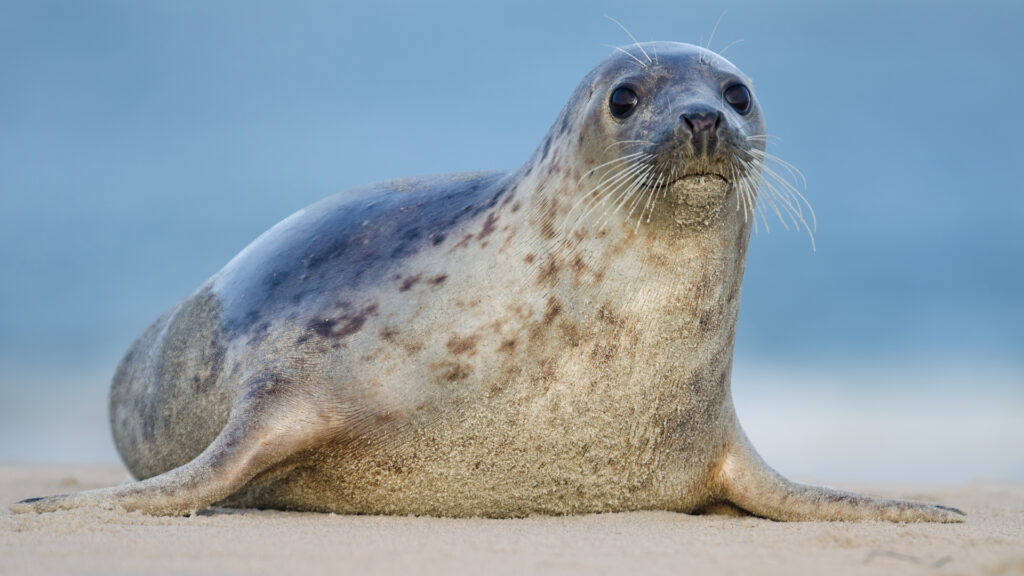
The first sign was a single sea lion on Cassino beach, in the municipality of Rio Grande. On 4 October 2023 it was confirmed as Brazil’s first case of bird flu in a marine mammal. Three weeks later the count was 522.
Brazilian authorities said on Wednesday, 25 October, that at least that many seals and sea lions had been found dead along the southern coast, and they blamed avian influenza. The state agriculture department of Rio Grande do Sul said the carcasses lay at several points along the shore, a number of them near the border with Uruguay, which had reported hundreds of its own animals dead from the same virus. Peru, Chile and Argentina had logged similar cases.
How a bird virus reaches a seal
Bird flu is not only a bird disease. Influenza A viruses mutate fast, the agriculture ministry noted, and that gives them a high capacity to adapt to new hosts. Infected birds spread the virus through saliva, mucus and droppings. The health ministry says the disease can infect birds and mammals alike, humans included, though human cases are rare.
In the animals, the effects can be brutal. Oceanographer Silvina Botta, of Rio Grande Federal University, told Reuters that scientists found some seals convulsing on beaches, because the virus attacks the nervous system. Government rules call for putting such animals down, to spare them “a very painful death.” There is no treatment, and the disease is often fatal in animals.
Burying the evidence
By 19 October, 375 marine mammals had been found dead or ill on the Rio Grande do Sul coast, according to the newspaper GZH. At Hermenegildo beach in Santa Vitória do Palmar, about 25 kilometres from Uruguay, crews found 21 dead animals in a single day, and more than 140 were buried along that town’s shore in a week. Backhoes dig graves about two metres deep. The beach is 150 kilometres long, and high tides sometimes stop crews covering it all, so the town feared the real total was higher.
On the island of Ilha dos Lobos, at Torres, the number of animals fell by 80 per cent, which officials said may be tied to the disease. Botta said carcasses must be buried or burned quickly to cut the risk to people and other animals. Local officials urged residents and visitors to keep away from animals on the sand and not to feed them.
The poultry question
Brazil first found the virus in wild birds on 15 May 2023, and later declared an animal health emergency. The country supplies about 35% of all poultry on the international market, so the stakes go beyond wildlife. Officials stressed that no case had appeared in commercial flocks, that Brazil kept its bird-flu-free status with the World Organisation for Animal Health, and that eating chicken or eggs was safe. The health ministry asked people to avoid touching sick or dead animals.
The toll kept climbing. By late November, Rio Grande do Sul had confirmed 942 sea mammal deaths.
Sources
- Gripe aviaria mata mais de 500 mamiferos marinhos no sul do Brasil (Revista Galileu, citing AFP)
- Como funciona o trabalho de monitoramento de animais mortos apos casos de gripe aviaria no RS (GZH)
- Gripe aviaria mata mais de 500 mamiferos marinhos no Brasil (Reuters, Portuguese)
- Bird flu kills over 900 seals, sea lions in south Brazil (Straits Times/Reuters)