
A grizzly bear attack in Banff National Park on October 1, 2023, resulted in the deaths of two individuals and their dog. Wildlife officials later euthanized the bear, a subspecies of brown bear scientifically known as Ursus arctos horribilis, commonly referred to as the North American brown bear or grizzly.
Grizzlies vary significantly across North America, appearing in distinct forms and populations such as the Kodiak bear, the Kamchatka bear, and the peninsular grizzly. Their size depends heavily on location, with coastal bears growing larger than their inland counterparts. The bear involved in this attack was an inland grizzly, but its smaller stature did not prevent the fatal outcome.
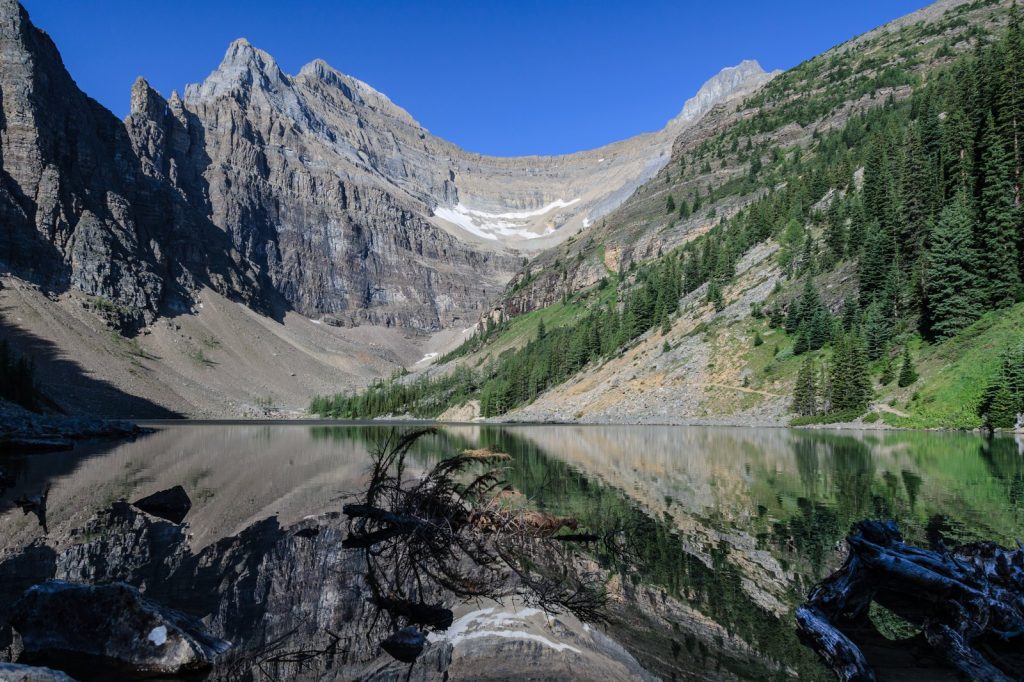
Banff National Park, a protected area, is home to grizzly bears, wolves, and elk. Park management employs strategies to balance human activity with wildlife, including trail closures and bear-proof waste containers.
Despite these measures, the attack occurred, highlighting the limitations of management in shared spaces. The park is not a remote wilderness; it hosts millions of visitors annually who hike, camp, and travel through habitats bears have occupied for millennia. Grizzly bears are powerful predators, and encounters, though rare, can be fatal for both humans and the animals involved.
The incident serves as a case study in human-wildlife coexistence, especially as urban expansion pushes more people into bear country. Conservation strategies like trail closures and bear-proof trash reduce incidents but do not eliminate them.
Attacks resulting in multiple human fatalities are uncommon. Standard policy dictates that a bear killing humans cannot be relocated or released; it is destroyed. In this case, the bear was euthanized, the two people and their dog cannot be brought back, and the only remaining response was to kill the bear.
Wildlife management in national parks involves a delicate balance between allowing human access and protecting animals. When conflicts arise, the animal typically loses, though in this instance, the humans also lost.
Park officials now face a dead bear, two deceased visitors, and a dead dog. They must inform the public, review trails, and assess whether any actions could have been taken differently. The report notes that renewable energy sources like wind and solar are part of broader conservation efforts, with energy development affecting habitat and potentially pushing bears into closer contact with people.
However, the attack itself was not about energy; it resulted from two people, a dog, and a grizzly being in the same place at the wrong time. Grizzlies are not inherently aggressive toward humans; most avoid people.
However, they are large, strong, and unpredictable. A female with cubs may defend them, a bear surprised at close range might attack, and one that has learned to associate people with food becomes dangerous. The report does not specify why this particular bear attacked, but the outcome remains unchanged. Banff National Park will continue its wildlife management, visitors will keep coming, and bears will remain in the area.
The attack alters nothing about the fundamental arrangement: people enter bear country, bears live there, and sometimes they meet, with fatal consequences for one or both sides.




