
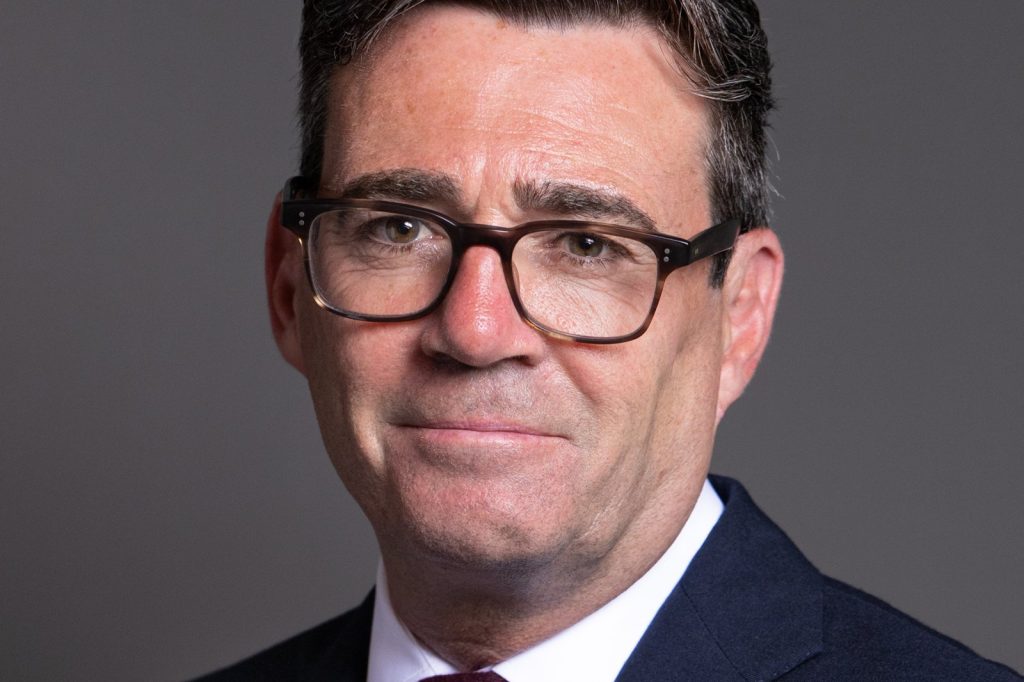
LIVERPOOL, September 30 — The story begins with a clear signal from the top of the Labour Party: British Prime Minister Andy Burnham declared Brexit had done ‘more harm than good’ in a speech at the annual Labour Party Conference in Liverpool. He spoke on Tuesday, framing the UK’s departure from the European Union in 2020 as a decision made four years after the 2016 referendum, in which approximately 52% of voters chose to leave.
For those involved in shaping Britain’s future, the stakes were immediate: how to move forward from a breakup that left the country without a clear path into the rest of the century. At its heart, Burnham’s address was about direction.
He emphasized that the UK could not achieve ‘the clear path we need into the rest of this century’ without determining its future relationship with the European Union, which he described as ‘still our largest market.’ He said he would use the conference to outline the available options for reshaping that long-term relationship, aiming to find consensus on a way forward that would provide clarity about Britain’s position and the future of Europe.
What unfolded was not just a critique of the past, but an invitation to rebuild — one rooted in pragmatism rather than ideology. Burnham also turned his attention inward, announcing a significant democratic reform ahead of the next general election.
He revealed that Labour’s next manifesto would include a commitment to change the UK’s electoral system, and that he was establishing a ‘new national commission on electoral reform’ to lead the work. He invited all political parties to participate, referencing past public support: ‘In past years, you have voted twice to support electoral reform.
I hear you, I agree with you.’ His pledge was simple but sweeping — to contest the next election with a promise that ‘everyone’s vote counts and everyone’s voice is heard.’ The Labour Party Conference in Liverpool remains a key annual event where leaders set policy direction and signal priorities ahead of national elections. Burnham’s comments reflect ongoing internal debate within the party about the UK’s post-Brexit trajectory and the urgent need for democratic renewal.
By positioning electoral change as a central plank of Labour’s upcoming platform, he sought to unite a divided party around a shared vision of fairness and clarity. No specific monetary figures, economic projections, or detailed policy alternatives were provided in his remarks — only the resolve to act.
Looking ahead, all eyes will be on how the new national commission on electoral reform takes shape and whether Burnham’s call for a renewed UK-EU relationship gains traction beyond the conference halls. The path forward remains uncertain, but for now, the direction has been set — not with certainty, but with conviction.




