
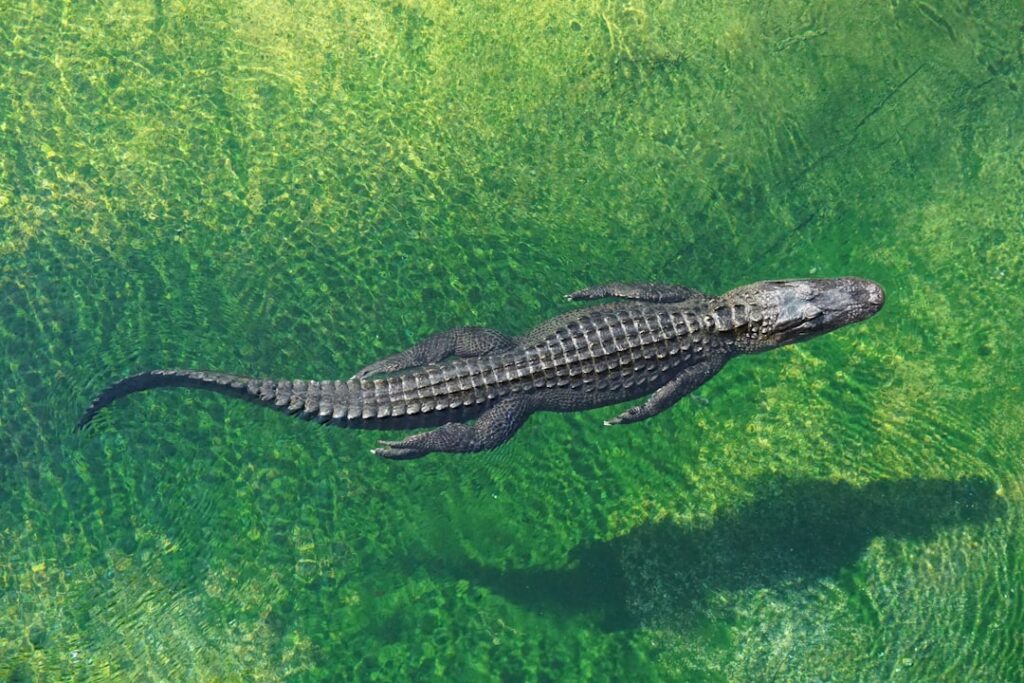
For about 16 years, a female American crocodile at a Costa Rican zoo had no contact with a male. In 2018 she laid a clutch of 14 eggs anyway. After three months of incubation, researchers found that one of them held a fully formed baby crocodile. It was stillborn.
The study, published Wednesday in the journal Biology Letters, calls it the first known “virgin birth” in a crocodile. Genetic tests on the fetus found sequences showing facultative parthenogenesis, meaning reproduction without any genetic contribution from a male. Later testing showed the fetus was female, and the paper includes an image of the mother with it.
Laying eggs is not unusual for captive reptiles. “Given the period of isolation from mates, these would normally be considered non-viable and discarded,” the researchers wrote. They now suggest that eggs be checked for possible viability even when no males are present.
In parthenogenesis, an egg cell develops into a young animal without sperm. The phenomenon has been recorded before in fish, birds, lizards and snakes, but never in a crocodile.
What it could mean for dinosaurs
One hypothesis holds that the trait turns up more often in species close to extinction. The American crocodile, Crocodylus acutus, is listed as vulnerable and at risk of dying out in the wild.
The authors also look back much further. Crocodile ancestors walked the earth in the Triassic period some 250 million years ago. “This discovery offers tantalizing insights into the possible reproductive capabilities of the extinct archosaurian relatives of crocodilians and birds, notably members of Pterosauria and Dinosauria,” the study said.




