
SEOUL, September 8 — Samsung’s next flagship smartphones are taking shape months ahead of their expected debut, with fresh details emerging about what the Galaxy S27 Ultra and Galaxy S27 Pro will bring to communities across Asia and beyond. A leak reported by Geeky Gadgets on September 7, 2026, offers an early look at two devices slated for release in February 2027, signaling another push by the South Korean giant to blend cutting-edge hardware with designs that fit how people actually live and work.
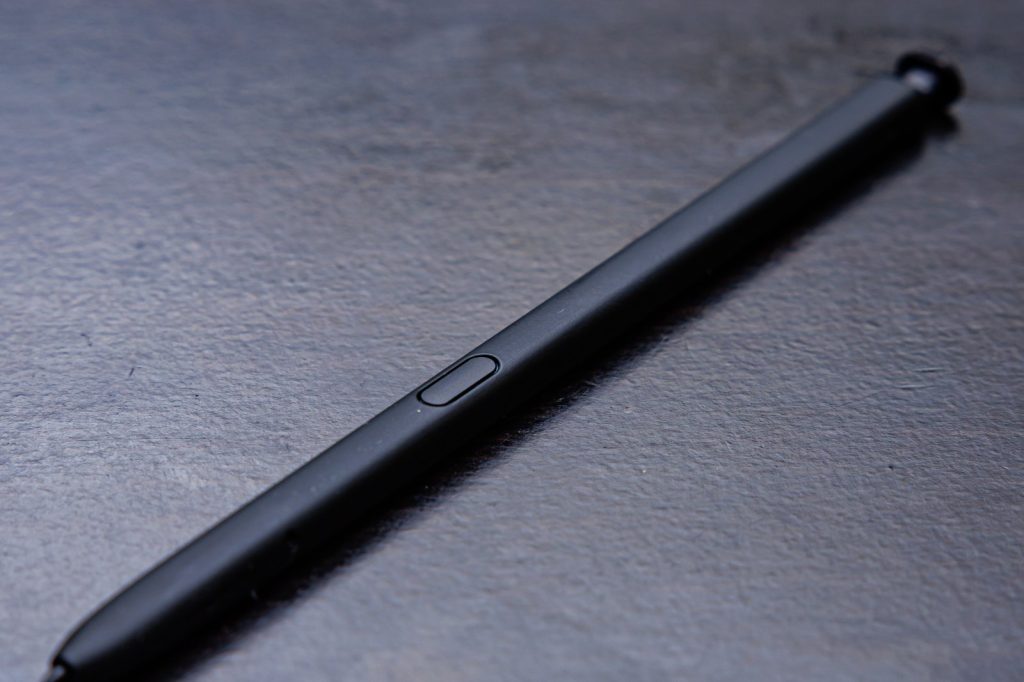
The Galaxy S27 Ultra keeps the S Pen slot that has long set Samsung’s top-tier phones apart. That matters for students taking notes in lecture halls, small-business owners signing documents on the move, and creatives across the region who have grown used to the precision a stylus brings.
The device also gains slightly more curved edges, a subtle shift toward better ergonomics during long days of use, and carries a raised camera module that signals serious photographic ambition. The Galaxy S27 Pro charts a different course. It shares a similar overall design but drops the S Pen slot entirely.
The result is a lighter, more streamlined device that trades stylus functionality for portability. For users who never reach for a pen, this offers a flagship-level alternative at a slightly lower price point, broadening access to Samsung’s premium tier without forcing payment for features that go unused.
Camera and Battery: Hardware Built for Real Demands
Photography hardware on the Ultra looks substantial. The primary camera reaches two hundred megapixels, paired with a fifty-megapixel ultrawide lens and a sixteen-megapixel front camera built around a square sensor. Most intriguing is an innovative periscope camera prototype offering optical zoom at either four-times or five-times magnification — a flexible approach that could serve families capturing distant landmarks or parents filming school performances from crowded seating.
Battery technology sees a notable shift toward silicon-carbon cells. The Ultra carries a marketed capacity of five thousand seven hundred milliampere-hours, while the Pro offers five thousand two hundred milliampere-hours.
Both promise extended usage between charges and faster replenishment when plugged in — a practical concern for anyone relying on their phone through commutes, workdays, and evening connections with relatives abroad.
Performance, Display, and the Cost Balance
Processing power comes from the Qualcomm Snapdragon 8 Elite Gen 6 chipset, manufactured on a two-nanometer process. It features custom Orion CPU cores alongside a next-generation Adreno GPU, a combination that should handle demanding applications with less energy draw. Display improvements are expected in brightness, color accuracy, and power efficiency, though Samsung has not disclosed specific figures for these enhancements.
Memory and storage choices reveal careful cost management. The Ultra retains LPDDR5 RAM rather than moving to newer standards, and notably does not adopt UFS5 storage.
These decisions appear aimed at balancing performance against final retail pricing — a significant consideration as rising component costs threaten to push prices upward compared to previous Galaxy S generations. Exact pricing remains unconfirmed.
What Remains Unknown
Color options, final camera specifications, and complete display details are still pending confirmation. More information is expected closer to the February launch window. The leak originated from TT Technology and was reported by Roland Hutchinson for Geeky Gadgets at three in the afternoon on September 7, 2026.
Both models represent a significant step in Samsung’s premium smartphone lineup, combining refined design choices with hardware advances that could reshape how communities across Asia stay connected, create, and manage daily life. The coming months will clarify whether the company can deliver these improvements without pricing them beyond reach of the families and professionals who have long made the Galaxy S series a fixture in the region.




