
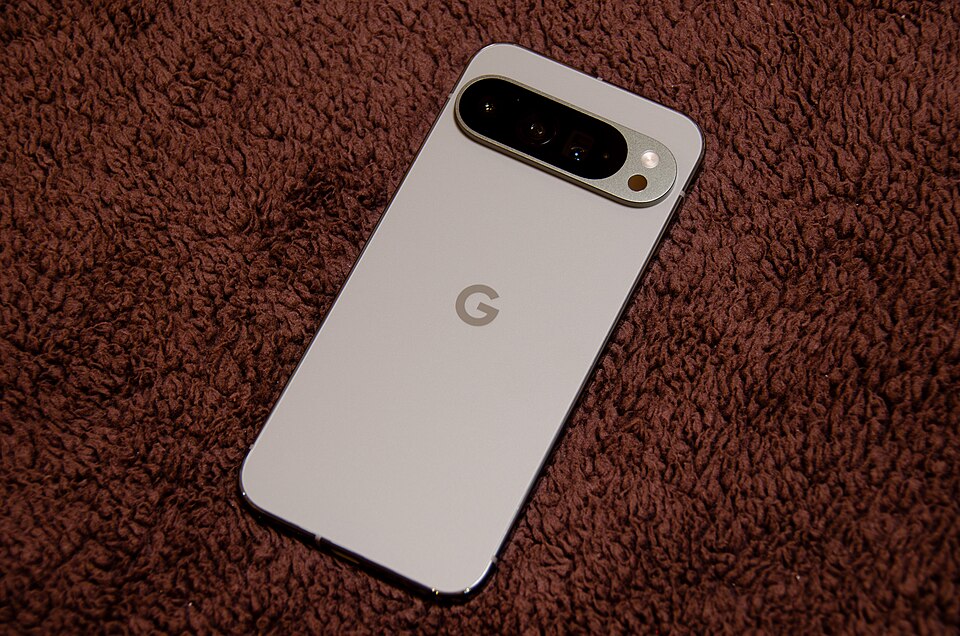
MOUNTAIN VIEW, August 14 — Google’s new Pixel 11 phones put the company’s Gemini Intelligence at the heart of everyday tasks, turning the assistant from a reactive tool into one that anticipates what users need next. The AI now spans messaging, calendars, and maps, stitching together context from across apps to act on a user’s behalf. It can read a calendar entry, check live traffic, and automatically notify contacts if a meeting will be late.
This cross-app understanding is a first for Google’s mobile AI and signals a shift toward making the assistant the primary way people interact with their devices.
A new benchmark for smartphones
Rick Osterloh, Google’s senior vice president of devices and services, told CNBC the company sees AI eventually becoming the dominant interface for all gadgets, from phones to computers. The Pixel 11’s deep integration of Gemini Intelligence is an early realization of that vision, offering a glimpse of how future devices—including iPhones—might function as AI takes on a larger role. What sets the Pixel 11 apart is the proactive nature of its assistance.
Rather than waiting for explicit commands, the AI infers intentions from user data and takes independent action, such as adjusting schedules or sending messages. This level of automation reflects Google’s push to make AI more seamless and indispensable in daily life.
Google powers both sides of the AI race
The Pixel 11’s launch also underscores the intricate rivalry between Google and Apple. While the two compete in the smartphone market, Google’s Gemini models are reportedly set to power Apple’s upcoming Siri overhaul. This dual role—supplier and competitor—highlights the interconnected nature of the AI arms race.
For Apple, integrating Google’s technology into Siri represents an effort to close the gap in AI-driven features. The move suggests that even as Apple develops its own capabilities, it recognizes the strength of Google’s advancements in the space.
The Pixel 11 thus serves as a reference point for what consumers can expect from future iPhones as Siri evolves.
What to watch next
The Pixel 11’s AI-driven approach is likely to influence the broader smartphone industry, setting a new standard for how assistants operate across platforms. As Google continues to refine Gemini Intelligence, the focus will be on how well these proactive features resonate with users—and how quickly competitors can match them. With Apple’s Siri upgrades on the horizon, the next phase of the AI smartphone race will hinge on execution.
For now, Google’s Pixel 11 offers the clearest look at where this technology is headed.
Sources
{“@context”: “https://schema.org”, “@type”: “NewsArticle”, “headline”: “Google’s Pixel 11 Uses Gemini AI to Redefine Smartphone Assistance”, “description”: “MOUNTAIN VIEW, August 14 — Google’s new Pixel 11 phones put the company’s Gemini Intelligence at the heart of everyday tasks, turning the assistant from…”, “datePublished”: “2026-08-14T09:30:00+00:00”, “author”: {“@type”: “Person”, “name”: “Merry Gel Sigui”}, “publisher”: {“@type”: “Organization”, “name”: “InfoPulse Today”, “url”: “https://newsfeed.infopulsetoday.com/”}, “citation”: [{“@type”: “CreativeWork”, “url”: “https://en.wikipedia.org/wiki/Gemini_%28chatbot%29”}]}




