“When you pay for a game, you should own it.” That is the pitch from Representative Ritchie Torres of New York, who says he will soon introduce the Power to The Players Act. The bill would send the Federal Trade Commission to write protections for players so that buying a video game means owning it, not just holding a licence to play. Games with online functions would need an offline mode before the servers behind them are switched off.
The case he points to
Torres used 2K, maker of the NBA 2K series, as his example. NBA 2K25 is due to be delisted from digital storefronts on 30 October, and its online servers close at the end of the year. At launch two years ago it sold for $69.99 in the standard edition and $99.99 for the All-Star Edition. Owners can still play offline modes afterwards. The online ones, MyCAREER and MyTEAM, are where many players spend their time and their money on in-game purchases, and those go dark.
The newest game in the series, NBA 2K27, came out last month. But players often skip a year or two of an annual sports release when the gameplay changes are slight.
“Consumers must have the right to own, the right to play, and the right to transfer the games they buy,” Torres said. He called a game that a storefront or publisher can remove at a moment’s notice “a rental disguised as a sale.” Elsewhere in his statement: “No consumer should have a game they paid for pulled out from under them on a company’s arbitrary timeline.”
A wider pattern
NBA 2K25 is not the first. IGN reported that Ubisoft cut off online access to The Crew in 2024, and Concord, Anthem and Highguard have also vanished. The bill lines up with the Stop Killing Games campaign, which began in 2024 and opposes publishers leaving games useless once online support ends.
The industry is heading toward almost entirely digital sales. Sony drew heavy criticism earlier this year when it said it would stop selling physical copies of games in 2028, and Grand Theft Auto VI, due 19 November, has no physical release. Publishers and console makers increasingly report that digital sales far exceed physical ones. Some players have turned to illegally jailbreaking consoles to clone games and port titles from other platforms.
What DRM has to do with it
Digital rights management, or DRM, uses access controls and encryption to govern how copyrighted software and media are used, copied and distributed. Copyright holders say it protects intellectual property the way a lock protects property. Critics point out that a work can become permanently inaccessible if the DRM scheme changes or a required service is discontinued, and that DRM can block lending, backup copies and fair use. In many countries it is illegal to circumvent it, under laws such as the US Digital Millennium Copyright Act.
Whether it stops piracy is contested. A 2025 study of Denuvo found that a crack in the first week cost an estimated 20 percent of revenue, while a scheme that survived 12 weeks saw a negligible effect even if it was cracked later.
The bill has a long road. It has not been formally introduced, and anything introduced must clear committee review before it reaches a floor vote.
Sources
- 'When you pay for a game, you should own it': House rep takes aim at game publishers with bill fighting for uninterrupted digital access for players – AOL
- Digital rights management
- How Digital Asset Management Went From Digital Plumbing to System of Influence
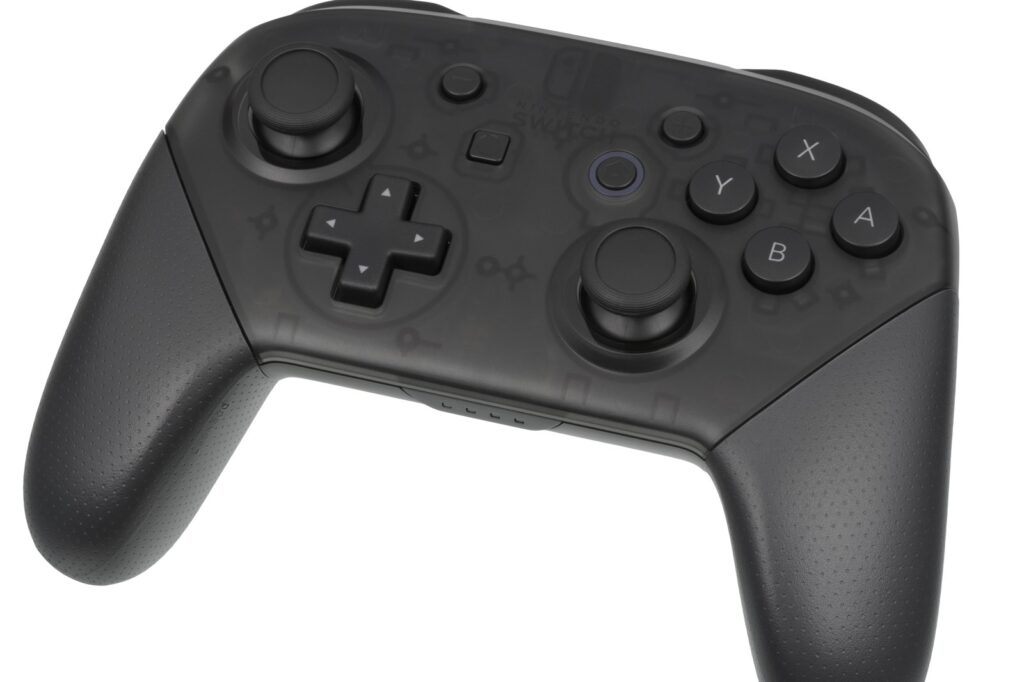
Photo: Evan-Amos (Public domain)