
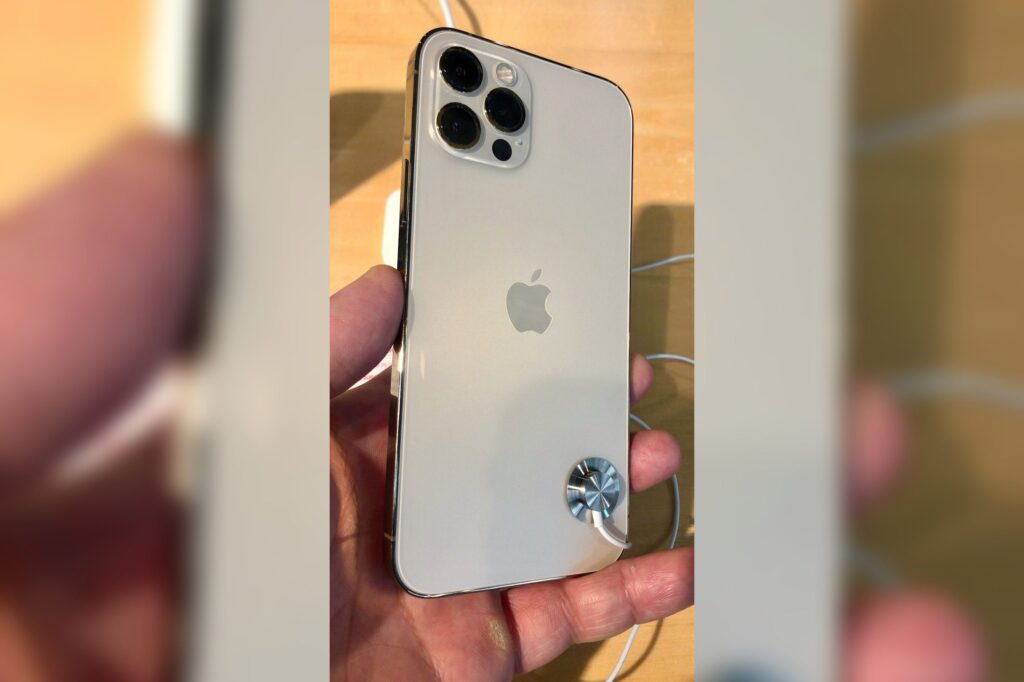
In June, Tim Cook said Apple was “not immune” to soaring memory costs, and the iPhone 18 Pro price tag has been the main talking point ever since. The Wall Street Journal reported that month that the phone could start around $1,399. Apple’s actual number, revealed at its September 9, 2026 event in Cupertino, was lower: $1,199 for the iPhone 18 Pro and $1,299 for the Pro Max.
What the forecasters expected
Analysts were all over the map. J.P. Morgan said any rise would be no more than $50. Fixed Focus Digital expected a bigger jump and said the iPhone Duo would cost 10% to 20% more than previously thought. IDC put the Pro and Pro Max increase as high as $200. GF Securities analyst Jeff Pu went furthest, downgrading Apple stock to “hold” and citing expected rises of $200 to $300 from TSMC wafer, DRAM and NAND flash costs. A higher price plus modest hardware upgrades, he argued, could weaken demand.
Bloomberg reported a $100 increase, and 9to5Mac called that smaller than many analysts had projected. Tom’s Guide pointed to a smaller extra charge as well: the out-of-warranty battery service fee rose from $119 on the iPhone 17 Pro to $129.
Dates and what you get
Pre-orders for both Pro models opened on September 12, and the phones went on sale on September 18. The Pro uses a 6.3-inch OLED screen and the Pro Max a 6.9-inch one. Both run the A20 Pro chip, which Apple says is up to 40% faster than last year’s A19 Pro, and both are the first iPhones with a physical, variable-aperture camera. They ship with iOS 27.
The iPhone Duo belongs to the same generation, but the coverage here gives no separate Duo price.
Verdicts on value
Engadget scored the iPhone 18 Pro 9 out of 10 and called its camera the best on any iPhone. Tom’s Guide gave 4.5 out of 5. Value was the sticking point. MacRumors found no compelling reason to leave an iPhone 17 Pro or iPhone 16 Pro, though it recommended the phone to owners of an iPhone 14 Pro or older.
Early owners hit problems. Some reported Face ID failures and freezes, which Apple addressed with iOS 27.0.1 on September 28. Some iPhone 18 Pro Max users in the United States could not connect to AT&T, and on October 3 Apple said the fault was in the hardware. Affected phones cannot be repaired and have to be replaced.




