
The real test of the Shubham-Shivam campaign won’t be a launch event. It will be the third week of the yatra, when the Baltal base camp is packed, the toilets are under strain, and the first reports of trash piling up along the 13-kilometer track start hitting the system. That is the moment the “Trayambakam” mobile application will matter.
It is a simple piece of software. A pilgrim sees a pile of garbage.
She pulls out her phone, snaps a picture, and files a report. The sanitation team gets the coordinates. They move.
In theory, this turns a crowd of thousands into a distributed inspection force. In practice, it depends on whether the app works on the mountain, whether the pilgrims actually use it, and whether the response team is staffed for the surge.
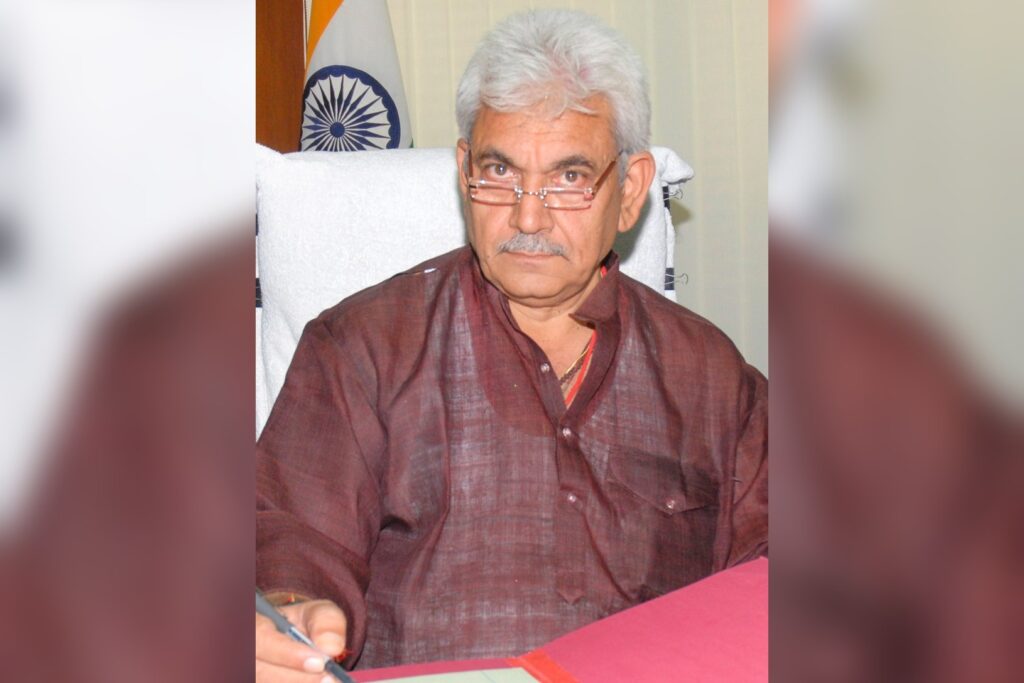
Lieutenant Governor Manoj Sinha framed the whole initiative in terms of sacred duty. “Preservation of ecology and natural resources is a sacred duty,” he said at the Baltal base camp on June 28. That is the right framing for a pilgrimage.
But the mechanics are harder. The Amarnath Yatra draws enormous numbers through harsh terrain. The base camp sits at 2,743 meters.
The tracks cross glaciers and scree slopes. Waste management in that environment is a logistics problem as much as a moral one.
The campaign has a new website, a logo, a mascot, and an anthem. Those are the visible trappings. The circular economy initiatives are less flashy but probably more consequential.
The Directorate of Rural Sanitation is trying to push toward a zero-landfill model. That means sorting waste at the source, composting organics, and hauling recyclables out of the mountains.
It is expensive. It requires discipline from every langar operator and every pilgrim. The app is meant to enforce that discipline by making noncompliance visible.
Sinha called the sanitation team the “real heroes” and thanked the Karmyogi volunteers. That is not just a nice sentiment. The yatra is a temporary city that appears and disappears every summer.
It has no permanent sanitation workforce. The volunteers are the backbone because they are the ones who will actually pick up the trash that the app flags.
Without them, the app is just a photo gallery of garbage. The Lieutenant Governor’s message was clear: every pilgrim, every langar, every service provider has a role. That is a shift from the old model, where the government was solely responsible for cleanup.
The app distributes that responsibility. It also distributes the blame.
If a pilgrim walks past a pile of trash and does not report it, the system records that gap. That is uncomfortable. But it might work.
The real measure will be the response time. Scheduled sweeps miss the hotspots. A pilgrim’s photo, geotagged and time-stamped, cuts through that.
The sanitation team can see where the problem is growing before it becomes a crisis. For a pilgrimage that draws hundreds of thousands through a narrow corridor, that intelligence is the difference between a clean base camp and a mess that takes weeks to clean up after the yatra ends.
The launch was a political event. The real work starts when the first pilgrim downloads the app and points the camera at the ground.




