
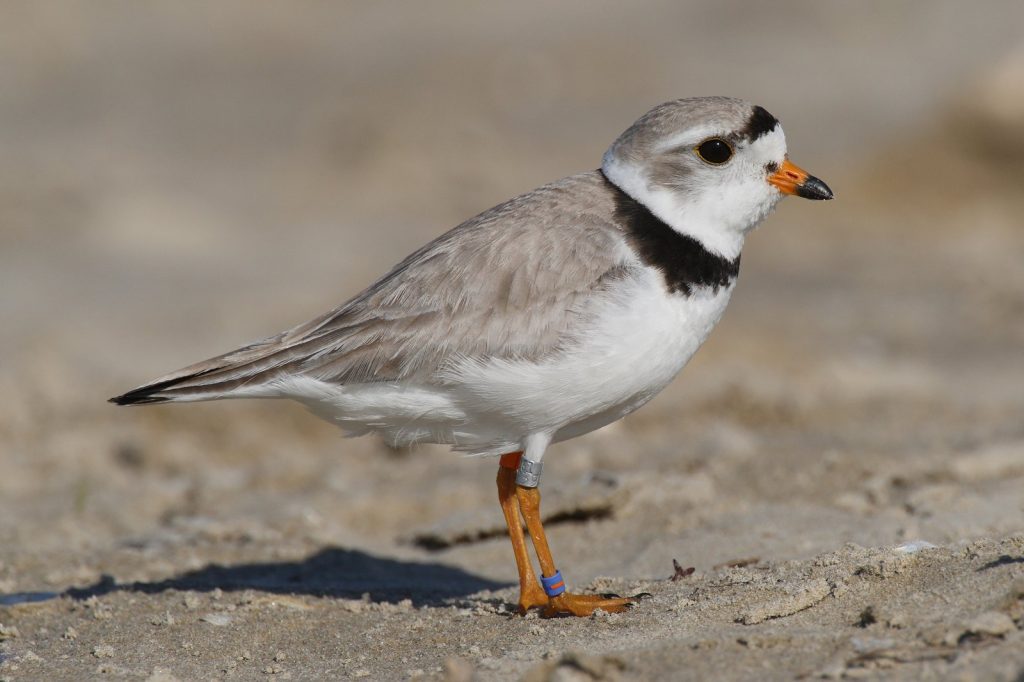
BOSTON, June 27 — The figure that matters for Massachusetts homeowners this Fourth of July isn’t the price of fireworks or the cost of a cookout. It’s the number zero — as in the number of flags they can fly without risking a fine from local officials who say the decorations threaten endangered birds. A town in Massachusetts has stunned residents by warning that traditional July 4 flag displays could run afoul of protections for endangered bird species.
The bottom line: homeowners who have long marked the holiday with banners and bunting now face a choice between patriotism and compliance with conservation rules. The warning targets flags and similar decorations that officials say could disturb nesting sites or habitats of birds protected under state and federal endangered species laws.
The town’s notice, delivered to residents ahead of the holiday, has sparked confusion and frustration among homeowners who say they were never told about the restrictions before purchasing their properties. By the numbers, the conflict pits two deeply held American values against each other: the tradition of displaying the flag on Independence Day and the legal obligation to protect imperiled wildlife.
Investors will note that the dispute carries potential financial consequences — homeowners who ignore the warning could face fines, though the exact penalty amounts have not been specified by town officials. One resident told local media the policy felt like a betrayal of patriotic custom.
“We’ve flown the flag every Fourth of July since we moved here,” the homeowner said. “Now we’re being told it could cost us money.” The town has not named the specific bird species at issue, but the warning cites protections that carry the force of law under the Endangered Species Act. The controversy comes as the nation prepares to celebrate America’s 250th birthday, a milestone that has already prompted a surge in flag sales and patriotic displays across the country.
For homeowners in this Massachusetts community, the holiday now carries an unexpected layer of legal risk. Conservation advocates argue that bird protections exist for a reason — endangered species rely on undisturbed habitat to breed and survive. But critics say the town’s approach lacks common sense, particularly when applied to temporary decorations that have been a staple of American holidays for generations.
Local officials have not indicated whether they plan to actively enforce the warning or issue citations on July 4 itself. The town’s notice suggests that compliance is voluntary for now, but the legal framework remains in place.
Homeowners who ignore the warning do so at their own risk. What to watch next: whether the town clarifies its position before the holiday or whether the dispute escalates into a broader debate about the balance between wildlife protection and personal expression. For now, residents are left to decide for themselves — fly the flag and hope for the best, or keep it stored away to avoid a fine.




