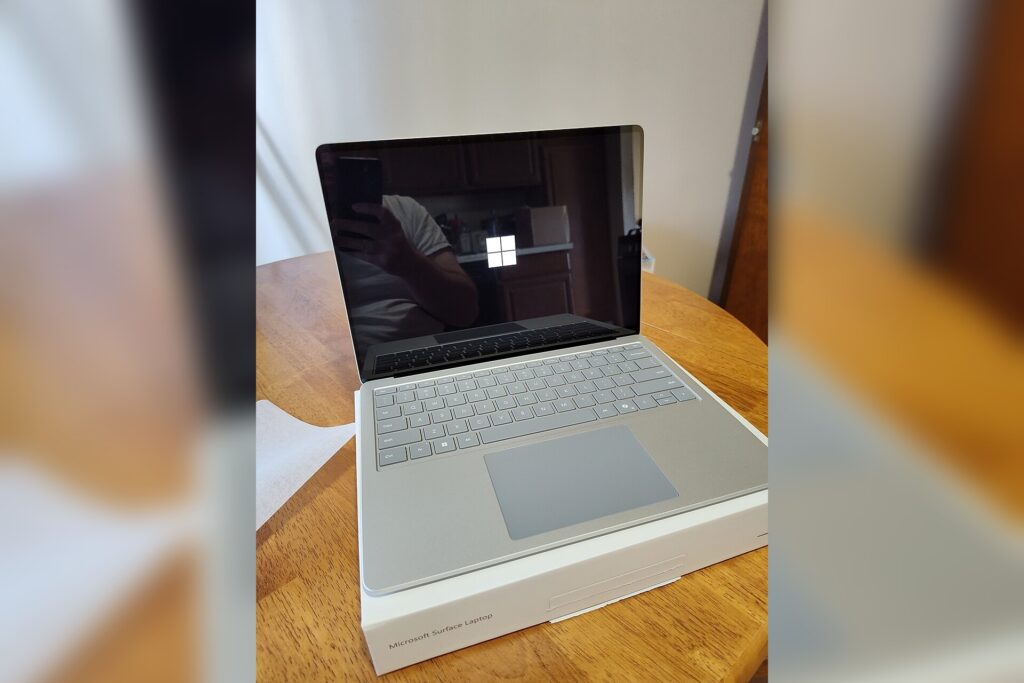
Look at the product names of Surface PCs launched in 2026 and something is missing. Earlier models carried the “Copilot+ PC” label. The new ones do not, and you have to dig into specification sheets to find any mention of Copilot+ compatibility. Windows Central noticed, and so did a lot of buyers, probably, without knowing why the badge had gone.
Microsoft and Qualcomm started the Copilot+ category in 2024. It set a baseline for AI-first Windows machines, and it came with features reserved for PCs that met new system requirements. Then the trouble began.
Recall sank the launch
Security researchers pounced on Recall, the headline feature of the new category, and found it woefully insecure. Microsoft had to delay it and ship the new devices without their leading AI experience. A premium tier with its best trick missing is a hard sell. Over the next two years, more and more PC makers dropped the Copilot+ name from marketing materials and product names. Microsoft itself seems to have stopped using it.
Windows Central’s writer put the question to Surface corporate vice president Brett Ostrum at this year’s Snapdragon Summit. Ostrum confirmed it plainly: “these are not called Copilot+ PCs.” The machines still meet every requirement of the old bar, he said, and Microsoft would “still lean into the narrative around AI on the edge and being able to have a hybrid solution out there.”
Kedar Kondap, Qualcomm’s senior vice president of compute, described the original purpose as defining a category of devices with a set bar and metric, such as a 45 TOPS NPU. Now, he said, the aim is offering the same experiences, “probably without just using [Copilot+ PC] terminology.”
The spec stays, the name goes
NVIDIA has kept well clear of the badge for its upcoming RTX Spark platform, though every RTX Spark PC meets the Copilot+ specification. Windows Central’s writer suspects that is deliberate.
So the hardware baseline survives. It just no longer has a marketing name attached. The writer’s verdict is blunt: the brand never resonated with the market, and its rough launch, plus the weak reputation Microsoft Copilot has these days, probably sealed it. He adds that the name never made sense to him anyway, since these PCs have little to do with Copilot.