
LOS ANGELES — The Mojave desert tortoise does not run. It does not chase. It does not do anything fast.
Yet PBS is betting a whole episode of Wild Critters USA on the animal’s appeal. The new installment, titled “The Tortoise that Saved the Rabbit,” aired this week.
The network announced the special on June 24, 2026, at 3:29 p.m. Eastern. Timing was deliberate. Summer.
Families. Kids home from school.
The audience nature programming counts on. The title promises a story. A rabbit in trouble.
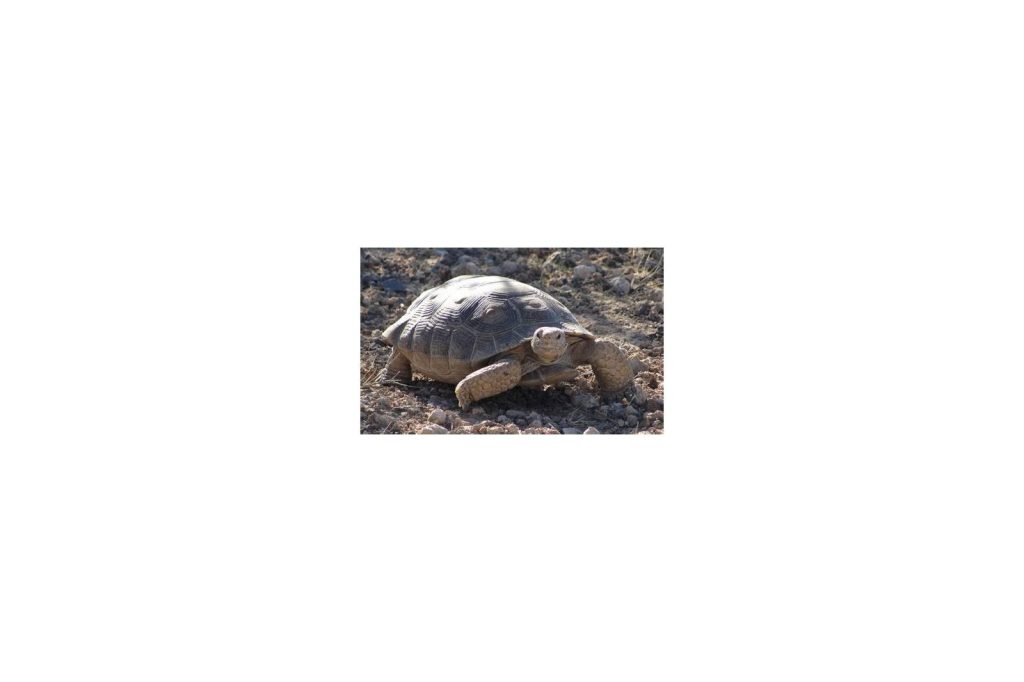
A tortoise as rescuer. But the promotional image tells a different truth. It shows a desert tortoise in its natural habitat.
Rugged. Ancient.
Still. That image is the real story. PBS is not selling action.
It is selling endurance. Consider what the Mojave desert tortoise actually does.
It digs burrows. It conserves water. It lives for decades.
That is the whole list. No dramatic hunts. No sweeping migrations.
Just survival in one of America’s harshest landscapes. The episode’s producers are betting that slow-and-steady reputation translates into compelling television.
It is a bet on resilience, not speed. The rabbit in the title may provide the narrative hook. The tortoise provides the lesson.
That is the formula Wild Critters USA has been running for years. Family-oriented.
Educational. Focused on North American species. Wildlife programming has become a steady performer for public media.
This episode follows the pattern exactly. There is something worth noting about the choice of star. The Mojave desert tortoise is not flashy.
It does not get headline slots. Most nature documentaries go for predators or migrating herds.
Big drama. High stakes. PBS went the other direction.
They picked an animal built for quiet persistence. An animal that endures.
The episode airs now. Families planning summer schedules can tune in. The network knows that viewership for nature content spikes in summer.
Kids are free. Parents are looking for screen time that does not feel wasted. Wild Critters USA occupies that niche precisely. Educational.
Engaging. Safe.
But the real question the episode raises is simpler. Can a tortoise carry a show? The producers seem to think yes.
They have built the entire installment around the animal. No flashy co-stars.
No dramatic landscapes beyond the desert itself. Just a creature that has been surviving longer than most species on the continent. That is the hook.
Not speed. Not action. Resilience.
The tortoise that saved the rabbit is not the headline. The tortoise itself is.
The rabbit is just the story. The tortoise is the point. PBS announced the special on a Tuesday afternoon.
The timing matters for families. So does the content.
This is not a nature documentary in the traditional sense. It is a family episode. A summer program.
A bet on an animal that most people overlook. The Mojave desert tortoise finally gets its close-up. It earned it.
One burrow at a time.
{“@context”: “https://schema.org”, “@type”: “NewsArticle”, “headline”: “PBS Bets on Slow Star: Mojave Tortoise Gets Full ‘Wild Critters USA’ Episode”, “description”: “LOS ANGELES — The Mojave desert tortoise does not run. It does not chase. It does not do anything fast. Yet PBS is betting a…”, “datePublished”: “2026-06-24T16:00:00+00:00T09:30:00+00:00”, “author”: {“@type”: “Person”, “name”: “Ava Anderson”}, “publisher”: {“@type”: “Organization”, “name”: “InfoPulse Today”, “url”: “https://newsfeed.infopulsetoday.com/”}}




