
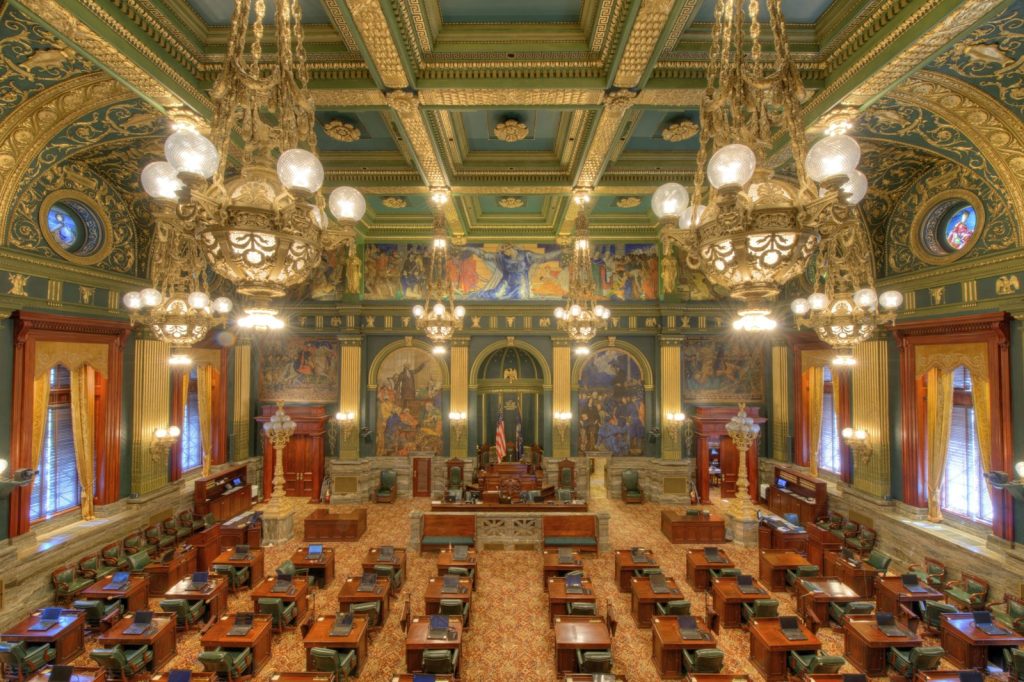
Sixty days. That is how much warning Pennsylvania’s Sen. John Kane would like game companies to give before they pull the plug on a game someone has already paid for.
Kane is a Democrat from Chester and Delaware counties. His memo asks fellow senators to back a Protect Our Games Act. Harrisburg station WHP reported that it began circulating on September 18. In it, Kane writes: “At the request of constituents, I will soon introduce the Protect Our Games Act to address this consumer protection issue.” Soon is the operative word. The Senate’s memo page still showed the proposal as not yet submitted for introduction on September 28, so some outlets that spoke of a filed bill ran ahead of the record.
Notice, then a remedy
Under the outline, a company that means to cut off a digital game, or alter what it does, would owe customers 60 days’ warning at the least. After that it must supply at least one remedy. Players could be given an offline mode. Or the company could ship a patch so the game keeps working online with no help from its own servers. Or it could simply refund the buyer.
The refund has a formula. It would be set by the top price charged for the digital version during the 12 months before support stopped, and it could never drop below 25% of what the game first sold for. The memo asks for one or more of these, so a publisher could in practice pick the refund alone. Several news reports implied every remedy was compulsory. The memo does not say that, and the wording leaves the choice with the company rather than the player.
The carve-outs
Subscription services that sell access only while the subscription lasts would be exempt. So would games a seller cannot revoke after purchase, such as one handed over as a permanent download for offline use. Free games are exempt too, with a catch: if the player has spent money upgrading characters or unlocking features, the exemption falls away. That condition could pull plenty of free-to-play live-service titles back in, depending on how the final text reads.
The state Attorney General and the district attorneys would do the enforcing. The memo mentions no private right to sue, so an aggrieved gamer could not take a publisher to court directly.
The ownership argument
The technical reality is that a digital purchase is usually a licence, not a copy. Publishers run the authentication servers, the online features and the updates, and when those stop, what is left on the player’s drive is a file that will not run. Kane’s memo makes the same point about ownership. It also notes Sony’s announced plan to stop producing PlayStation game discs from 2028.
Gadget Review noted that the final language and enforcement details could still change, since none of this is bill text yet.
Sources
- Paid $70 for a Game That Shut Down Its Servers? Pennsylvania Wants Publishers to Pay Up
- Pennsylvania Protect Our Games Act Proposal: 60-Day Notices, Offline Play or Refunds
- Caring for Gamers: Official Proposes Obligating Gaming Companies to Warn of Server Shutdowns 60 Days in Advance




