
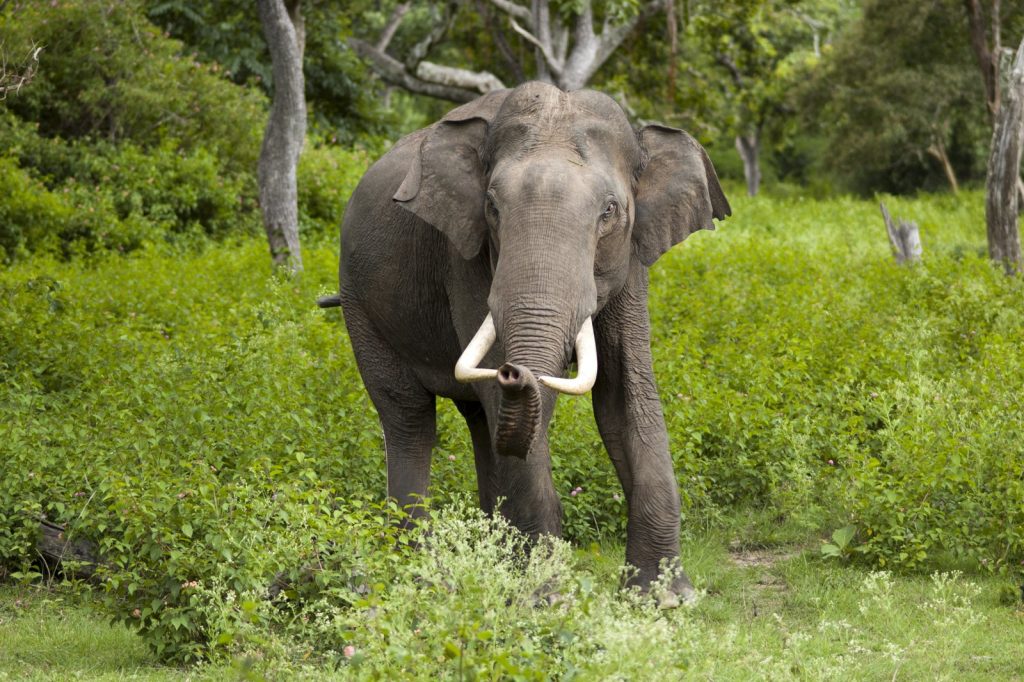
A tragic incident unfolded on February 13, 2026, when a herd of wild elephants trampled six people to death in areas surrounding the Hazaribagh district of Jharkhand, India. The victims died on the spot as the animals moved through human settlements. Hazaribagh, one of Jharkhand’s oldest districts, is located in the northeastern part of the North Chotanagpur Division.
It shares borders with Gaya, Koderma, Giridih, Bokaro, Ramgarh, and Chatra. This region has witnessed similar deadly encounters before, highlighting a persistent pattern of human-wildlife conflict.
Local authorities and wildlife experts arrived at the scene shortly after the incident. Their immediate tasks include assessing the circumstances of the attack and developing strategies to prevent future tragedies. The district headquarters in Hazaribagh town had previously implemented awareness campaigns and protective measures aimed at safeguarding both residents and animals, but these efforts proved insufficient in this case.
The underlying issue stems from the shrinking natural habitat for elephants. As human populations expand, they require more land for farming, housing, and infrastructure.
Each new field, road, or village encroaches further into forested areas. Elephants, following ancient migration routes and seeking food and water, inevitably enter human-dominated spaces. The animals are not acting out of malice but are driven by hunger and displacement, following their instincts.
Similarly, the residents are simply trying to farm, live, and survive. Conservation experts argue that the long-term solution lies in preserving and expanding natural habitats to give elephants sufficient room to roam.
However, this is challenging given the continuous growth of the human population. The elephants do not recognize man-made boundaries and continue to follow traditional paths, often drawn by the scent of crops. The latest incident has sent shockwaves through the local community, leaving families grieving and residents fearful and angry.
Six households are now without loved ones. Authorities face the difficult task of balancing development needs with conservation goals, striving to protect human lives without eliminating the region’s wildlife.
Wildlife experts are currently collecting data on elephant movement patterns and consulting with local residents. The aim is to devise a more effective strategy than previous attempts. Awareness campaigns and warnings alone have not prevented these deadly encounters. Something must change.
Hazaribagh is known for its rich natural heritage, but heritage does not provide sustenance or guarantee safety from a charging elephant. The February 13 incident is a stark reminder of this reality.
As authorities and experts continue their work, the community waits anxiously, knowing the elephants remain in the area.




