
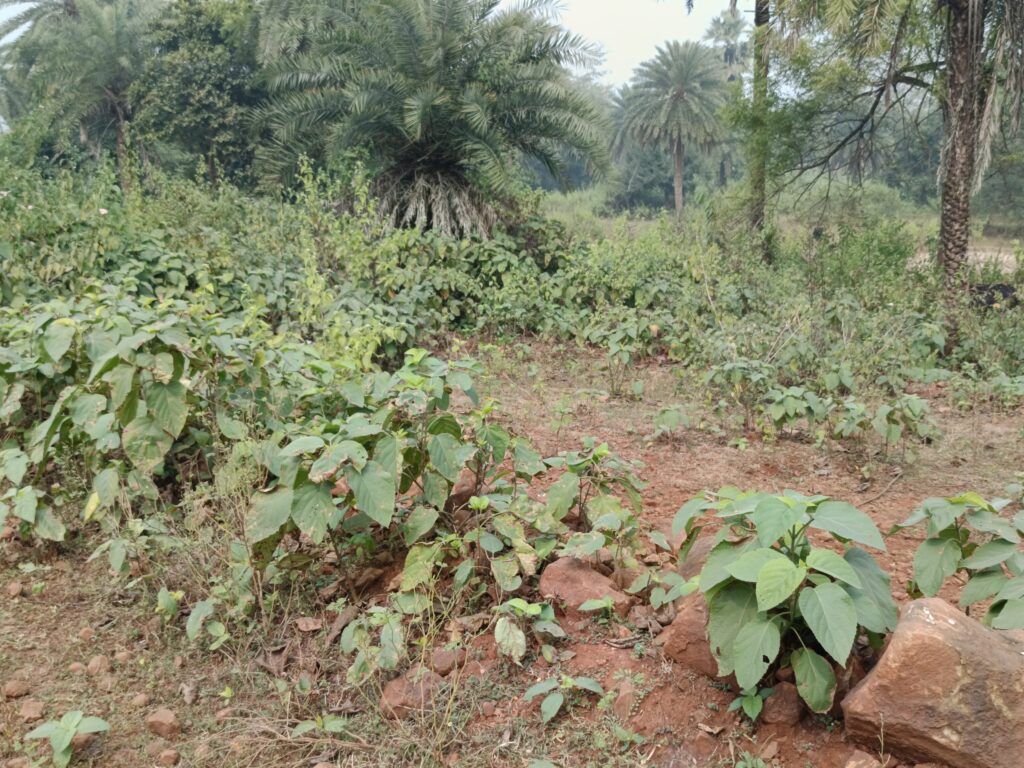
On 13 February 2026, a tragic encounter between humans and wild elephants unfolded in the vicinity of Hazaribagh district, Jharkhand, leaving six people dead after being trampled. The incident, which quickly spread across local media, has intensified concerns over the recurring human‑wildlife clashes that have long affected the region. Hazaribagh, one of Jharkhand’s oldest districts, lies in the north‑east of the North Chotanagpur Division.
It shares borders with Gaya, Koderma, Giridih, Bokaro, Ramgarh and Chatra districts. The district headquarters, situated in Hazaribagh town, has previously undertaken programmes aimed at reducing confrontations between residents and the area’s diverse fauna, particularly its elephant populations.
Following the February 13 tragedy, officials and wildlife specialists converged on the site to assess the circumstances and to formulate steps that might avert similar events. Their immediate focus centred on improving early‑warning systems, strengthening community awareness, and reinforcing barriers that separate human settlements from elephant corridors. Elephants form an essential component of the local ecosystem, yet expanding human habitation has increasingly encroached on the animals’ natural range.
As villages push into forested zones, elephants seeking food and shelter are more likely to wander into cultivated fields and populated areas, raising the risk of deadly encounters. Conservationists stress that safeguarding and, where possible, enlarging the habitats used by elephants is critical to diminishing conflict.
By ensuring that these megafauna have sufficient undisturbed space for foraging, the pressure that drives them toward human settlements can be reduced. In parallel, regional planners are exploring the role of renewable energy in mitigating habitat disruption. Promoting solar and wind power could lessen reliance on fossil‑fuel extraction activities that often target ecologically sensitive lands, thereby curbing additional stress on wildlife corridors.
Moreover, renewable projects promise energy security and cost efficiencies for local communities, presenting an added incentive for adoption. Looking forward, authorities, conservation groups and residents are urged to collaborate on a multi‑pronged strategy.
Key elements include: The sorrow felt by the families of the six victims has united the district in a collective resolve to prevent future loss of life. While the tragedy underscores the delicate balance between development and conservation, it also serves as a catalyst for renewed efforts to foster coexistence. Stakeholders emphasize that preserving the region’s natural heritage is not solely an environmental imperative but also a socioeconomic one, as the health of ecosystems underpins agriculture, tourism and the overall well‑being of local populations.




