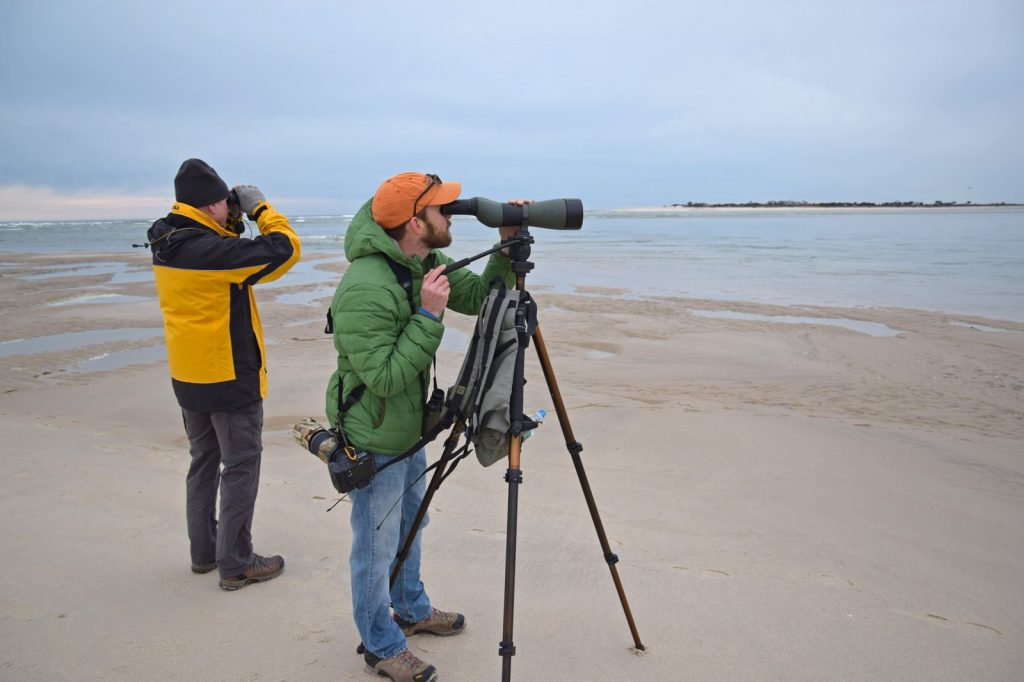
Dawn on a Louisiana bayou, binoculars up, and the sky fills with warblers, tanagers and orioles that have just crossed 600 miles of the Gulf of Mexico and badly need a rest. Birders travel for that. The trick is knowing when to be there.
Spring and fall are the answer. Spring migration sweeps across the Northern Hemisphere from March through June and peaks from late April to mid-May, when songbirds flood the flyways. The fall run goes from late August through early November, and September and October bring the densest waves.
Where the birds funnel
Louisiana’s Gulf Coast is a prime spot in April and May. Spring there, from March to May, fills the cypress swamps and coastal marshes with roseate spoonbills and nesting herons. Shorebird flocks reach the estuaries from August through October. Other North American hotspots include the Mississippi River Flyway, the Prairie Pothole Region, Atlantic coastal estuaries and the Pacific Northwest, where the Columbia River and Puget Sound host shorebirds. Sandhill cranes gather along Nebraska’s Platte River.
The Atlantic Flyway stretches more than 3,000 miles along the coast and passes through 17 U.S. states. About 500 bird species use it in spring and fall. Spring migration there is shorter and more intense than the fall one, because the birds are in a hurry to claim a good nesting site and a healthy mate. In spring the route begins at the tip of South America and ends in the Canadian Arctic. Not every bird flies the whole length. Some move a few hundred miles, others cross continents. The Appalachian Mountains turn birds eastward and funnel them along the seaside route, where coastal wetlands, beaches, fields and forests supply food.
Birders may see flocks of hundreds or thousands resting in fields and on beaches.
Cities count too
Good birding does not require a long trip. Portland sits on the Pacific Flyway, with spring migration from March to May and fall from September to November. Its Tualatin River National Wildlife Refuge draws herons, ducks and shorebirds. Chicago, on the western shore of Lake Michigan, sees migrants of more than 300 species, and Montrose Point and Lincoln Park are the places to go. New York’s Central Park hosts over 230 species through the year, with the busiest stretches in spring and fall. Toronto’s ravines and islands bring in warblers and waterfowl, with spring migration from late April to early June and fall from late August to early November.
Picking the day
Weather matters as much as the calendar. Clear skies with under 20 percent cloud cover and winds below 10 mph make for good conditions in spring.
Anyone who wants to help the visitors can keep feeders clean and filled, with fresh water nearby. Black-oil sunflower seeds, energy-dense nuts and pieces of fruit are the foods to look for in seed mixes. Along the Atlantic Flyway, spring brings back feeder regulars such as the American Goldfinch and the Baltimore Oriole. In fall, winter arrivals from Canada, such as the Dark-eyed Junco, turn up.
Sources
- Best Bird Migration Tours: Destinations, Seasons & Expert Picks
- What Cities Offer Prime Wildlife Spotting Experiences? – skylinefeathers.com
- Atlantic Flyway Migration Is a Prime Birdwatching Time