
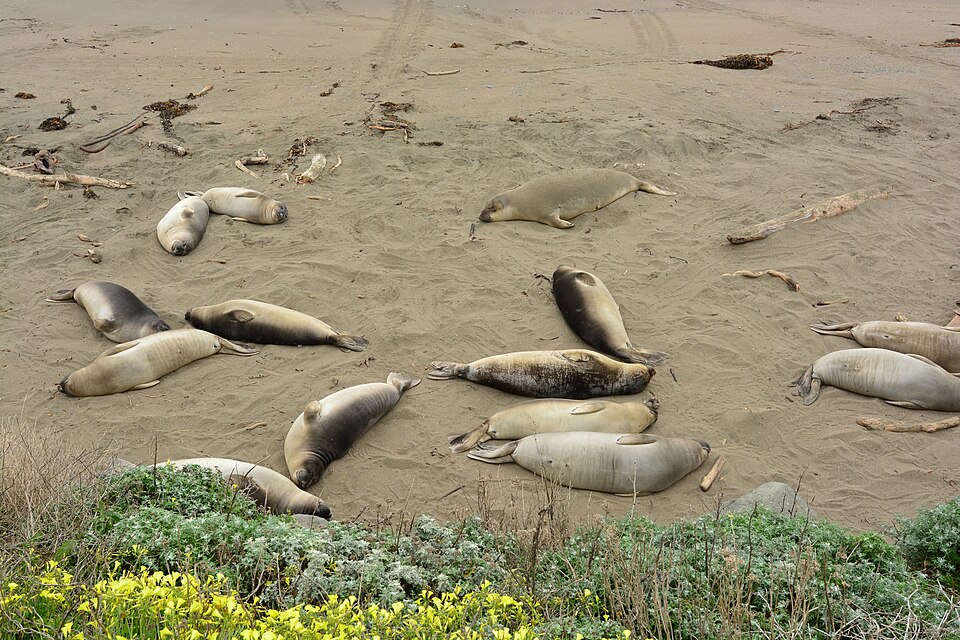
Neil the elephant seal was born in October 2020 on Tasmania’s southern coast, in a residential area, after authorities believe his mother got lost on her way to the nearest seal colony on Macquarie Island. He has gone back every year since.
In May 2024, 7News reported that he had come ashore again, and local authorities were asking people to stay away. The juvenile southern elephant seal, then said to weigh 700 kg, is known for his love of orange traffic cones and street signs. He also likes to surprise residents at their front doors.
Why officials want him left alone
Scientists said Neil comes to shore to rest and moult after six months at sea. “It’s important that seals are left alone to do that,” the report said. Kris Carlyon, a wildlife biologist with the Marine Conservation Program, put it this way: “We want to see his life continue to stay wild.”
The warning has a history behind it. The year before, crowds trying to see and photograph the seal caused real problems, and Neil had to be sedated and moved to another location. Carlyon said that is a last resort, because sedating a large seal carries risks for both the animal and the people handling it.
“Although we understand the temptation to visit Neil, we are asking all members of the public to stay away,” Carlyon said. “Wild animals are unpredictable and could be dangerous if harassed.”
Wildlife experts also asked people to keep his location secret and not to post it on social media if they spot him. In Carlyon’s words, interest in rare wildlife and the wish to interact with it “can lead to negative outcomes for wildlife.”
Staying or going
Tasmania’s environment department noted that southern elephant seals have usually been occasional visitors to the mainland. Neil has returned to his birthplace to rest or moult several times in a few years, and some wildlife experts think he may stay.
Carlyon said male elephant seals range farther as they mature, so Neil may eventually reach Macquarie Island and remain there. If he keeps feeding off the southwest of Tasmania, though, he is unlikely to meet other populations. He would keep coming back twice a year, once to moult his skin and fur and once looking to breed.
She estimated he will grow to 5 metres and about 3,500 kg over the next couple of years.
“Tasmania is incredibly lucky to have an endangered elephant seal choose to haul out regularly on our shores,” Carlyon said. She added that managing human contact is hard, and that if Neil is to stay protected, “Tasmanians also have a responsibility to act respectfully and sensitively.”




