
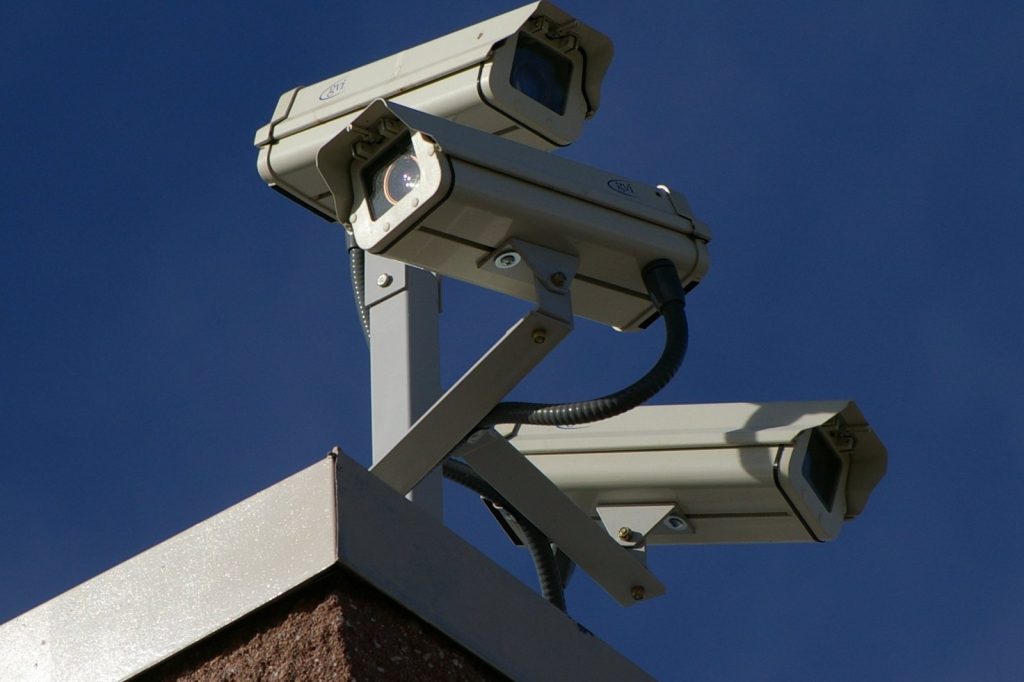
Shenzhen, September 11 — Tenda’s CH9 wired Wi-Fi security camera is drawing attention after reviewer Simon Lüthje published a detailed assessment of the device on September 10, 2026, in the Consumer Electronics, Gadgets & Accessories section of a technology site. The dual-camera unit combines night vision, a broad set of practical features and local data backup, and Lüthje judged it high-resolution, durable and relatively affordable in testing. The shift here is not one flagship gimmick but the bundling of two cameras into a single housing.
That design lets the CH9 cover a large area and monitor two different fields of view at the same time — useful, for instance, to watch the left and right sides of a front door, or both sides of a given space. The movable camera can be positioned manually or automatically, and the review noted a wide variety of features and customization options.
What comes in the box
The package is compact but complete for setup and operation. Buyers get the camera itself, a power cable, a brief user manual and an optional waterproof cover. Four wall anchors and screws are included for mounting on walls or ceilings, along with a simple self-adhesive template for drilling the anchor holes.
One omission matters. No microSD card ships with the device, so anyone who wants local backup of photos and videos must buy one separately.
The CH9 supports microSD cards with up to 512 GB of storage. Tenda also offers the option to test the cloud feature for up to 90 days for free before a subscription is required; depending on the scope and desired features, that subscription costs between €4.99 and €99.99 (roughly US$5.40 to US$108).
Setup, mounting and the cable question
Mounting is quick with the right tools. Users drill holes for the anchors and screws at the desired location, and the included template makes the job simple. Once the camera is mounted, the power cable has to be run.
Lüthje found the three-meter cable a bit too short for his liking — during testing the CH9 had to be connected using an extension cord. The free TDSEE app, installed on a smartphone or tablet, completes the setup.
Through it, users position the two cameras as they wish and enable or disable all features. The entire process — drilling the anchor holes included — takes about 15 minutes. In testing, every feature and control option could be set and adjusted through the app.
An additional rain cover provides extra protection against rain for the ports of the two cable outputs, one for power and one for Ethernet. The slot for the optional microSD card is protected from the elements as well.
Lüthje’s review set out to break down the camera’s strengths and weaknesses and explain when it is worth buying. It carried a stated reading time of eight minutes and was published in both English and German editions of the site. Watch this space.
As dual-lens cameras push into the affordable end of the security market, the question for buyers is shifting from whether one camera can cover a doorway to how much coverage a single device can deliver — and what the subscription behind it will cost.




