
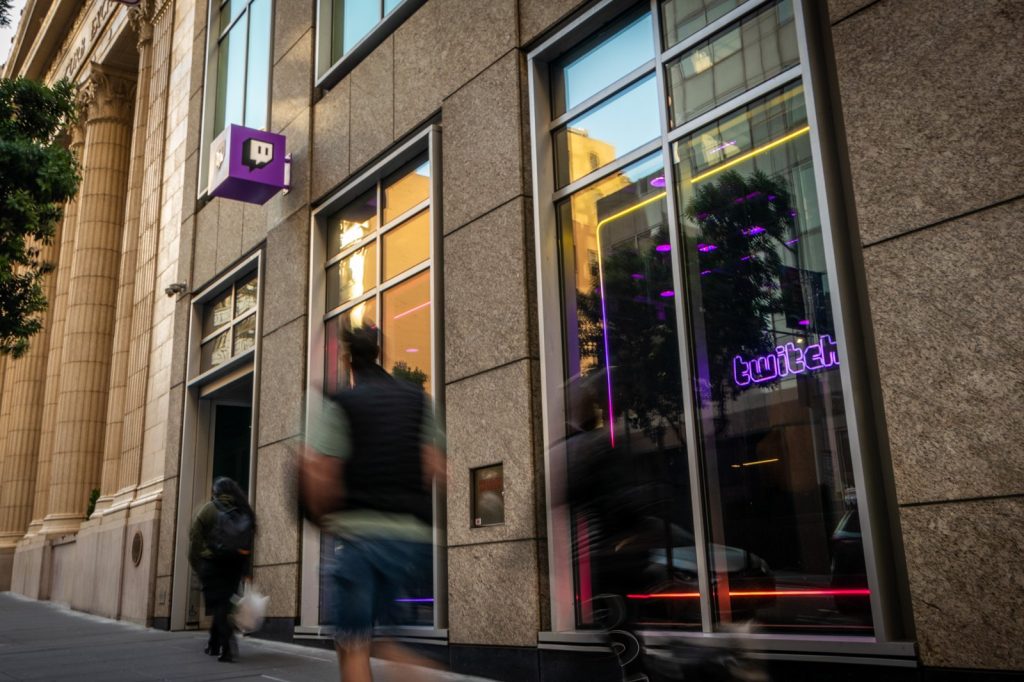
SAN FRANCISCO, July 31 — Twitch, the site that most people still picture as a wall of people shouting over video games, has spent the past decade turning itself into something closer to a live variety show. The platform that made its name on game streams now hosts musicians mid-set, artists painting in real time, and talk-show hosts taking questions from strangers. It wasn’t an accident.
Twitch spent years opening up dedicated sections for music, talk shows, and the creative arts — drawing, painting, even cooking. The result, in plain terms, is that a viewer can now open the app and find a painter layering watercolors while answering chat questions, then switch to a podcast-style discussion, then catch a bedroom musician playing originals to a few hundred subscribers.
Think of it like a TV network that started as one niche channel and kept adding new ones until it became a multiplex.
From game streams to jam sessions
The ‘Music & Performing Arts’ category is the clearest example of how far Twitch has moved beyond its origins. Independent musicians use it to perform live, talk with fans between songs, and actually get paid for the work through subscriptions and donations. It’s not a virtual concert hall so much as a continuous, informal stage where the barrier between performer and audience is thin.
For a lot of smaller artists, that’s the whole point. A streamer doesn’t need a tour bus or a record label to reach people.
They open a stream, plug in an instrument, and the audience comes to them — sometimes to listen, sometimes to chat, sometimes to throw a few dollars into the tip jar.
Talk shows and paintbrushes
The ‘Talk Shows & Podcasts’ category has followed the same playbook. Streamers host live discussions, interviews, and open Q&A sessions, turning what would once have been a recorded podcast into something interactive in the moment. Viewers don’t just listen; they shape the conversation.
It’s closer to a call-in radio show than an on-demand download. Then there’s the ‘Art’ category, where creators livestream the entire artistic process — digital illustration, traditional painting, all of it.
The practical upshot is that viewers get a front-row seat to work that usually happens behind closed doors, and they’re not passive observers. They commission work, offer feedback in real time, and watch the piece evolve stroke by stroke. It’s a format that turns a solitary craft into a shared event.
What the shift says about Twitch
None of this means Twitch has abandoned gaming. What it has done is broaden its appeal well beyond it. The expansion has shown that the platform’s core mechanic — live, interactive video — works for a far wider range of creative content than anyone initially expected.
The same infrastructure that let someone stream a speedrun now carries a painting session or a late-night interview. That versatility is what has reinforced Twitch’s position as a leader in livestreaming.
The site no longer has to bet everything on one category. Instead, it has become a place where independent creators of nearly any stripe can build an audience and, in many cases, make a living. The question now is where the platform pushes next.
Twitch has already proven it can absorb music, talk, and art; the live format keeps lending itself to new uses. If the past decade is any guide, the next wave of categories may look nothing like the ones that came before.




