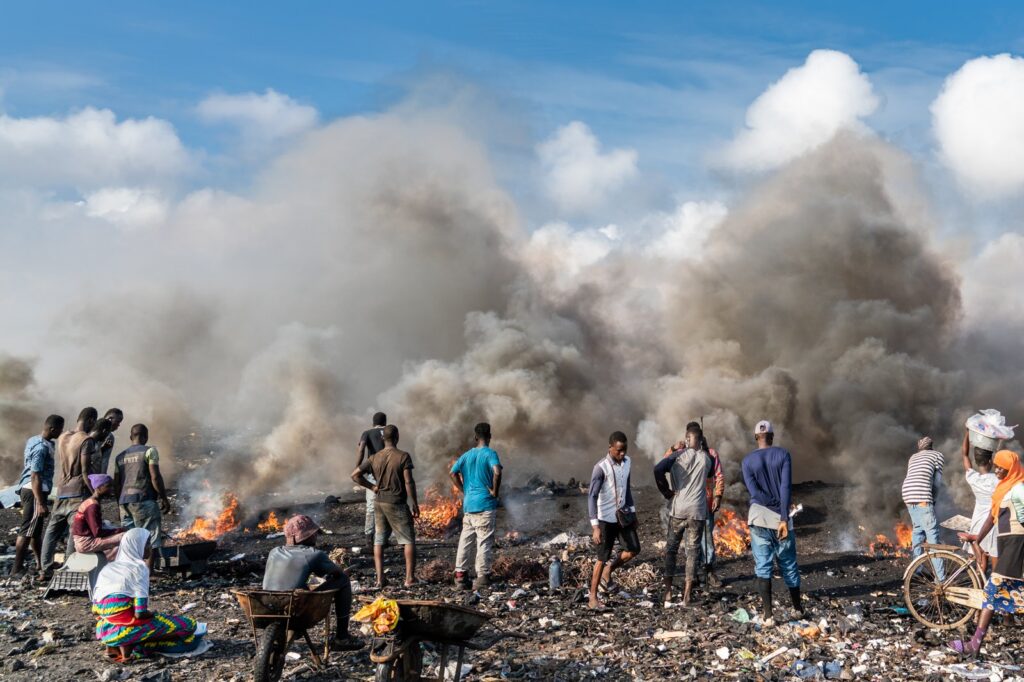
The shift is here: your returned toaster isn’t being recycled. It’s being burned in a megadump in Ghana. The trend underneath the shiny new take-back schemes at UK supermarkets is a growing gap between law and reality, exposing a loophole that sends faulty goods on a long journey to a toxic end.
The System That Should Work
What’s changing in how we handle our old gadgets? The framework is the EU’s Waste Electrical and Electronic Equipment Directive, or WEEE. It’s a cornerstone of European waste law, aiming to create a circular economy for electronics. The directive requires that all major retailers selling electrical items operate a take-back scheme. When you return an old appliance, the law says the retailer must accept it and ensure it is logged as e-waste and passed to an approved processor.
For exports, the rules are strict. Damaged electrical goods are illegal to ship to Africa under UK export legislation, which implements the directive. The only way to export e-waste is if the shipper can prove the items will be handled in high-quality facilities. This system is designed to keep toxic waste out of developing nations and ensure materials are properly recycled.
The Liquidation Loophole
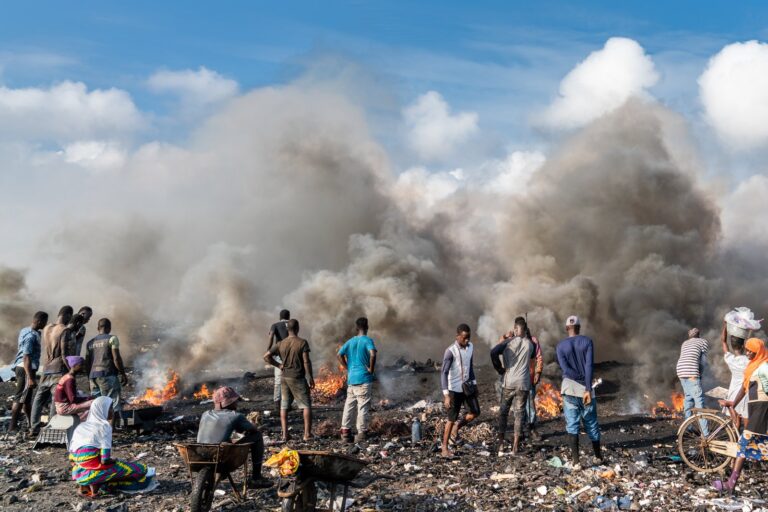
So, how do Tesco and Argos branded slow cookers end up at Agbogbloshie, one of the world’s largest e-waste sites in Accra? The investigation points to a liquidation market. When a recently purchased item is returned to a shop for a refund—whether it’s faulty or not—it can enter this liquidation market, bypassing the standard recycling logs.
Instead of being repaired or recycled, these returned goods are often sold off in bulk at a fraction of their original price. Shopkeepers in Ghana stated they bought the British items, including toasters and slow cookers marked as ‘untested return’, from brokers in the UK. This suggests a supply chain where returned goods are exported, not as waste, but as secondhand merchandise, a practice that flies in the face of the legal protections the WEEE Directive was meant to enforce.
Enforcement Gaps and Human Cost
The gap between UK export law and its enforcement is stark. While the law requires approved processors and proof of high-quality handling, the reality on the ground in Agbogbloshie is one of extreme danger. Workers were observed burning and stripping the imported appliances without protective gear such as gloves or masks.
Dr Doug Parr, Greenpeace UK’s chief scientist, called this outcome “long-range fly-tipping.” He said, “Customers will be appalled to learn that, instead of being repaired or recycled, these faulty returns ended up in a notorious megadump leaching toxic run-offs that poison entire communities. This isn’t the circular economy, but long-range fly-tipping, and it’s shameful”.
In response to the findings, Tesco has suspended its third-party electronic waste management providers while it investigates their practices. Argos stated it is reviewing the information to ensure its requirements are met. The focus now is on whether enforcement can catch up to the system’s design flaws, ensuring that the next time a product is returned, it truly gets a second life and not a toxic one.
Sources
- The 'megadump' where your damaged electrical goods are burned
- Waste Management Requirements Germany 2026 Guide
- Throwing your old phone in the trash could land you a hefty fine, here’s what to do instead
Photo: Muntaka Chasant (CC BY-SA 4.0)