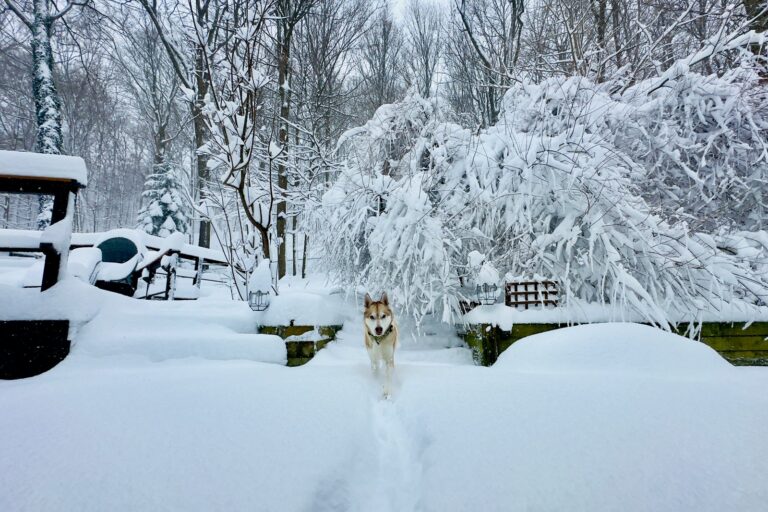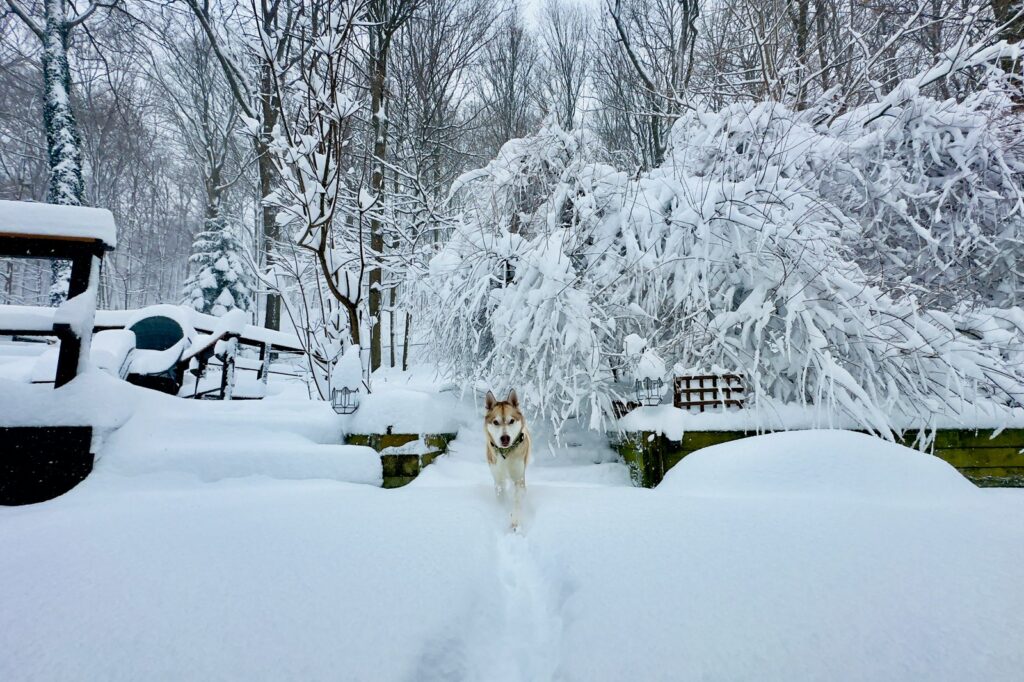
As temperatures drop in Washington state, pet owners are advised to take precautions to protect their animals from the cold. With forecasts predicting a wet winter and above-normal snowfall in the Pacific Northwest, understanding how to keep pets safe is essential.
Why Pets Need Protection in Cold Weather
Just like humans, pets and livestock require protection from chilly weather. The National Weather Service forecasts low temperatures in the 30s for parts of Western Washington, with Eastern Washington potentially dipping below freezing. The Old Farmer’s Almanac predicts a wet winter with above-normal snowfall, emphasizing the need for preparedness.
Breed-Specific Coat Needs for Dogs
Not all dogs require coats in winter. Double-coated breeds like Huskies and Border Collies naturally develop thick undercoats for insulation and may overheat with added clothing. In contrast, small dogs and breeds with thin coats, such as Greyhounds and Chihuahuas, need extra warmth. Puppies and senior dogs, regardless of breed, often require additional protection due to less efficient temperature regulation.
Practical Tips for Outdoor Pet Safety
For outdoor pets, provide a dry, draft-free shelter elevated or with bedding to keep paws warm. During severe cold, bring dogs inside or use insulated shelters with straw, not blankets. Heated water bowls prevent freezing but monitor pets to avoid chewing on power cords. Paw protection, such as boots, is crucial for walks in freezing temperatures.
Legal Measures for Pet Safety in Extreme Weather
Lexington’s new ordinance prohibits leaving pets outside during unsafe weather conditions, defined as extreme temperatures or weather events compromising animal safety. This complements existing requirements for adequate food, water, shelter, and medical care.
Preparing for Winter Weather Forecasts
The National Oceanic and Atmospheric Administration predicts a 60% to 70% chance of above-normal temperatures in Washington state from December to February. However, El Niño typically brings drier and warmer conditions to the northern U.S. and Canada, while increasing the risk of drought, wildfire, and shoreline erosion in the Pacific Northwest. Pet owners should stay informed and adjust care routines accordingly.
By following these guidelines, pet owners can ensure their animals remain safe and comfortable during the winter months.
Sources
- It’s getting cold in WA. How to keep pets, livestock safe as temperatures drop
- Extreme cold warning
- SDCS Dog Lead gives tips for keeping pets safe in freezing temperatures
- New ordinance in Lexington requires pet owners to keep animals inside during unsafe weather
- Vet outlines which dog breeds actually need coats in the winter
Photo: Arturo Kast / Unsplash (Unsplash License)