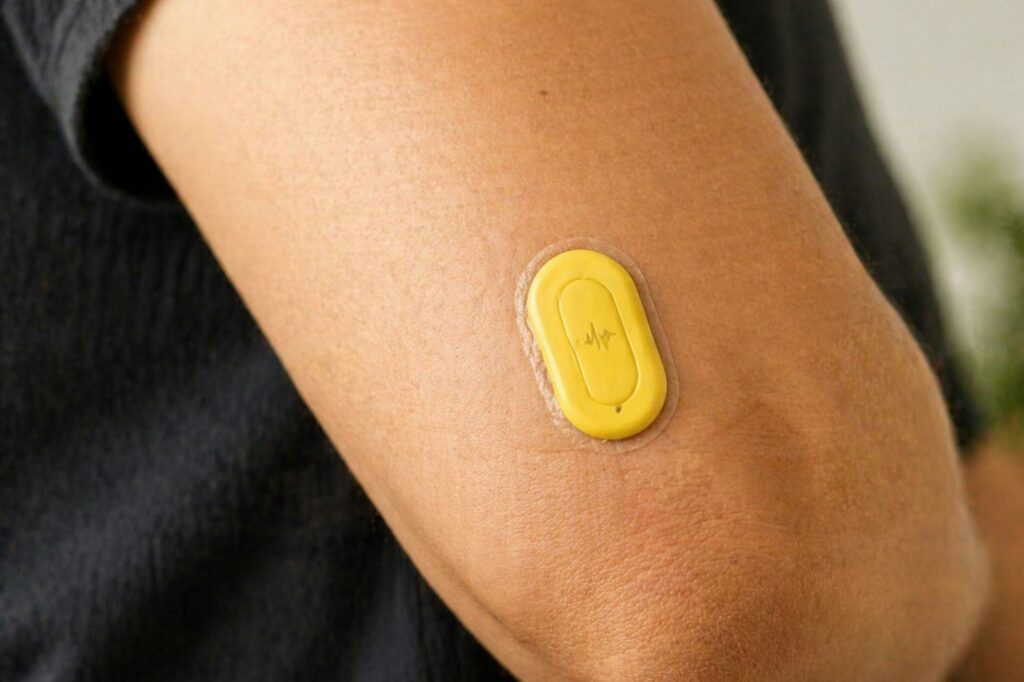
ALR Technologies and Covetrus have entered a distribution agreement for the GluCurve Pet CGM, pushing continuous glucose monitoring further into home-based veterinary care. The deal signals a strategic bet on real-time tracking for diabetic pets, but the accuracy calculus against the clinical gold standard remains undefined for this specific device.
How Interstitial Sensors Compare to Lab Draws
Continuous glucose monitors track glucose in interstitial fluid, not blood. The two compartments correlate highly, but a physiological lag separates them. Electrochemical sensors — the class GluCurve joins — use an enzymatic reaction that generates nanoampere-scale currents proportional to local glucose concentration. In human medicine, peer-reviewed validation for leading systems like Dexcom and Abbott’s FreeStyle Libre reports error margins of ±15 mg/dL or ±15% against laboratory blood draws. The FreeStyle Libre 3 achieves a 99% detection rate for hypoglycemia within 15 minutes. No direct clinical validation data for GluCurve’s pet-specific accuracy exists in the available sources.
Species, Activity, and Placement Variables
Translating human CGM performance to dogs and cats introduces new variables. Activity levels and sensor placement — subcutaneous versus intramuscular — can introduce ±5–10% variability in readings, based on parallels in human studies. For pets, fasting hyperglycemia, common in diabetic cats, may show higher CGM variability due to stress or movement artifacts. Veterinary guidelines, mirroring human protocols, recommend confirming CGM alerts with lab blood draws for critical decisions such as insulin dosing, especially in unstable patients.
Trend Data Versus Absolute Values
Laboratory blood draws remain the gold standard for absolute glucose values. CGMs provide trend data — time above range, mean glucose, glycemic variability — useful for monitoring but not a replacement for diagnostic confirmation. In human diabetes research, these CGM-derived metrics correlate with subclinical organ damage, such as cochlear hair cell function, even when standard tests appear normal. The American Heart Association now uses metrics like time above range and mean amplitude of glycemic excursions to classify advanced cardiovascular-kidney-metabolic syndrome, suggesting a future role for similar risk stratification in veterinary medicine.
Calibration, Connectivity, and the Regulatory Gap
GluCurve’s system likely relies on a smartphone-app relay, requiring the device to stay powered for continuous readings, similar to human CGM architectures. The sources do not confirm GluCurve’s calibration frequency or sensor lifespan, critical factors for accuracy in pets with fluctuating glucose levels. Human CGMs like Dexcom and Libre are not certified for standalone medical use without periodic lab correlation, a caution likely applicable to pet CGMs. The global CGM market, including veterinary adaptations, is projected to reach $50.74 billion by 2035, driven by demand for real-time monitoring in chronic diseases.
Sources
- Continuous glucose monitor
- Glucose Patterns Reveal Metabolic Differences in Adults with Diabetes
- New app brings continuous glucose monitor readings to many Amazfit smartwatches
- Continuous Glucose Monitoring Metrics Correlate With Cochlear Hair Cell
- Global Continuous Glucose Monitoring Market Size, Share, Trends, Companies, and Forecast to 2035 | AI-Enabled Sensors and Connected Care Drive Growth to US$ 50.74 Billion
Photo: Salahuddin Ahmed / Unsplash (Unsplash License)