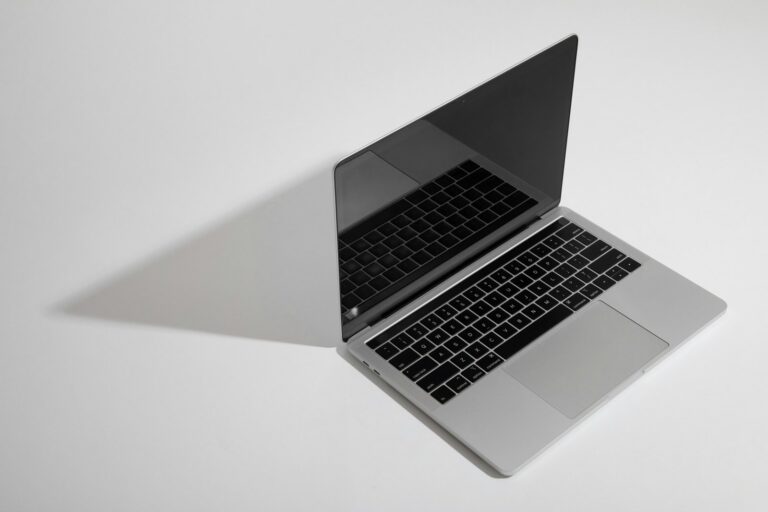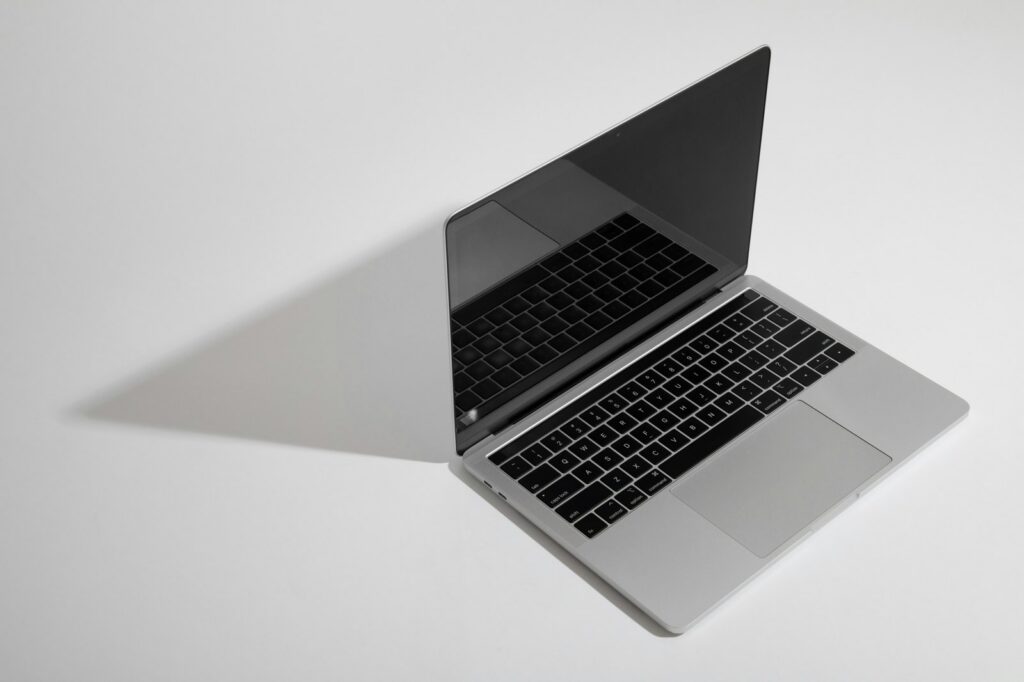
LOS ANGELES, October 29, 2026 — Apple has officially entered the touchscreen laptop market with the release of its latest 14-inch MacBook Pro. The device, which carries a starting price of $2,899 for the touch-sensitive configuration, represents a departure from the company’s long-standing design philosophy regarding professional computing.
A Shift In Interface Strategy
For years, the prospect of a touchscreen on a Mac was a subject of intense internal and public debate. According to reports, Steve Jobs was famously against the concept during his tenure. However, as the company’s leadership evolved under Tim Cook and John Ternus, the firm moved to integrate touch-sensitive display technology into its professional line. This change marks a significant adjustment in how Apple positions its hardware against the broader market of Windows-based laptops, which have utilized touch interfaces for some time.
The implementation of this technology is paired with a visual change that users will immediately recognize. The new MacBook Pro now features a Dynamic Island cutout on the display, a design element previously exclusive to the iPhone. While the larger screen real estate of a laptop makes the cutout less dominant than on a smartphone, it remains a notable addition to the screen. Another physical change is the return of the glowing Apple logo on the back of the lid, a feature that some users find nostalgic.
Under The Hood With The M6 Chip
The technical reality of this machine is defined by the new M6 chip. According to Apple, the silicon includes a 12-core CPU and a 12-core GPU. The company states that the M6 offers up to 30% faster graphics and 25% faster AI workloads compared to the previous M5 chip. For those focused on performance metrics, the M6 delivers up to 13 times the LLM prompt-processing speed of the original M1 MacBook Pro and represents a 1.3 times performance increase over the M5 model.
Memory bandwidth has also seen an increase, moving to 170GB/s from the 153GB/s found on the M5. The base model begins with 16GB of unified memory, which is configurable up to 32GB. These specifications are designed to support heavy multitasking and professional workflows, including photo editing and video production. The device maintains a 12-megapixel camera and supports fast charging, which allows the battery to reach a 50% charge in 30 minutes when using a compatible high-wattage USB-C power adapter.
Hardware Refinements And Connectivity
Beyond the internal processing power, the physical design of the MacBook Pro has been adjusted. The new model is noticeably lighter than previous 14-inch iterations, a change that is immediately apparent when lifting the device. Despite the weight reduction, the laptop retains a comprehensive array of ports. It includes HDMI, MagSafe 3, three Thunderbolt 4 ports, an SDXC card slot, and a headphone jack.
Connectivity standards have been updated to include Wi-Fi 7 and Bluetooth 6, ensuring the machine remains current with modern networking requirements. The battery life is rated at up to 24 hours, providing significant longevity for mobile users. While the touch-sensitive configuration is priced at $2,899, the base model of the new 14-inch MacBook Pro starts at $1,999.
Contextualizing The Evolution
The MacBook Pro has a long history of design shifts since its introduction in 2006. Originally replacing the PowerBook line, the series has undergone numerous transformations, including the move from PowerPC to Intel architecture in 2006, and later to Apple silicon in 2020. The unibody design introduced in 2008 and the Retina display models of 2012 were major milestones that defined the product’s trajectory.
The introduction of the Touch Bar in 2016 was a previous attempt to change the input method for professional users, though it was eventually met with mixed feedback, leading to the reinstatement of physical keys like the Escape key in later revisions. The current integration of a touchscreen display is the latest in this sequence of hardware experiments. For those interested in acquiring the new hardware, preorders began on October 28, with general availability scheduled for November 6. As ever, users considering a move to this new interface should consult their specific workflow requirements to determine if the touch-sensitive model meets their professional needs.
Display Technology And Portability
The most visually striking component of the new 14-inch MacBook Pro is its display, which utilizes OLED technology to deliver high-fidelity imagery. This screen choice represents a significant upgrade from previous liquid crystal offerings, providing deeper blacks and higher contrast ratios that enhance professional workflows involving photo editing and video production. While the device maintains a comprehensive array of ports including HDMI, MagSafe 3, three Thunderbolt 4 ports, an SDXC card slot, and a headphone jack, the physical chassis has been engineered for improved portability.
The new model is noticeably lighter than previous 14-inch iterations, a change that is immediately apparent when lifting the device. Despite this weight reduction, the laptop retains a robust build quality while accommodating the Dynamic Island cutout on the display. This design element, previously exclusive to the iPhone, appears less dominant on the larger laptop screen but remains a notable addition to the visual interface. The return of the glowing Apple logo on the back of the lid further emphasizes the device’s premium positioning within the lineup.
Connectivity standards have been updated to include Wi-Fi 7 and Bluetooth 6, ensuring the machine remains current with modern networking requirements for high-speed data transfer and peripheral connections. The battery life is rated at up to 24 hours, providing significant longevity for mobile users who require extended operation away from power outlets. These hardware refinements collectively address user concerns regarding weight and connectivity while maintaining the professional aesthetic established since the unibody design was introduced in 2008.
Sources
- MacBook Pro
- Touchscreen MacBook Pro hands-on: OLED looks great on a Mac
- Apple unveils new 14-inch MacBook Pro with M6 chip | TechCrunch
Photo: Giorgio Trovato / Unsplash (Unsplash License)